
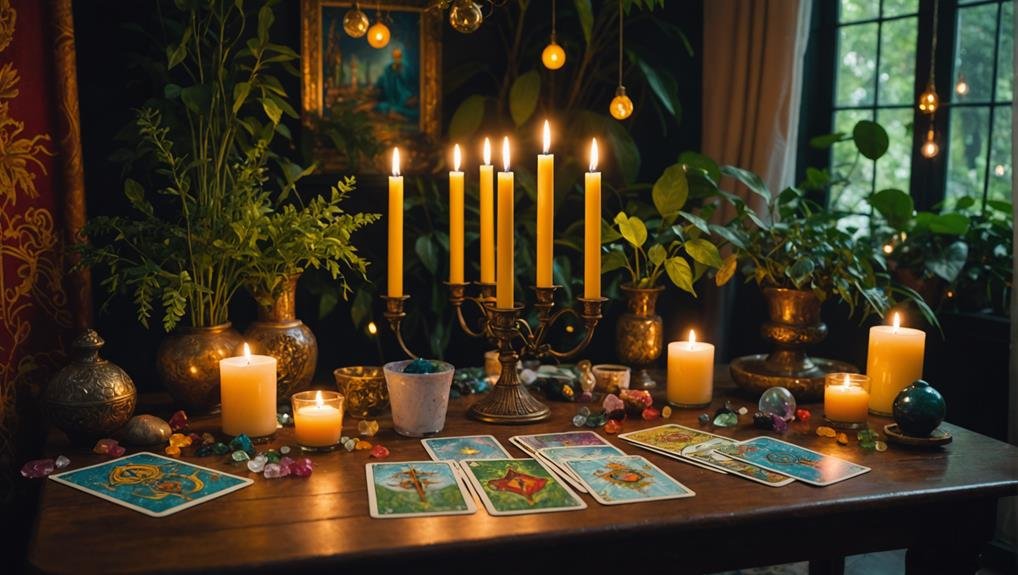
Tarot readings are a powerful tool for spiritual enlightenment, serving as mirrors to one's subconscious mind through a rich tapestry of symbolism and archetypes. Originating in 15th-century Europe, Tarot has transformed from a simple card game into a significant spiritual practice, influenced by various historical and cultural factors.
The essence of Tarot lies in its ability to facilitate introspection. By engaging with the cards, individuals are encouraged to confront their inner thoughts and emotions, which fosters essential pathways for self-discovery.
The process of interpreting the cards allows seekers to gain insights into their personal journeys, revealing intricate connections and patterns within their lives.
Moreover, the intuitive engagement required in Tarot readings promotes a dynamic interaction between the seeker and the cards. This interaction deepens the experience, leading to the emergence of numerous insights that contribute to spiritual growth and understanding.
Through this practice, individuals can explore their inner landscapes and navigate their spiritual paths more effectively.
Spiritual Insights
- Tarot readings facilitate self-discovery, encouraging exploration of personal intuition and inner wisdom for spiritual growth.
- The symbolism in Tarot cards serves as a mirror to the soul, reflecting thoughts, emotions, and desires.
- Engaging with Tarot nurtures mindfulness and emotional awareness, promoting a deeper connection to one's higher self.
- Each reading offers clarity and perspective on life challenges, guiding individuals on their unique spiritual journeys.
- Tarot acts as a catalyst for growth, bridging conscious and subconscious experiences to foster introspection and enlightenment.
Understanding Tarot Readings
Understanding Tarot Readings
Understanding Tarot readings is about grasping the essential elements that define this ancient divination practice. At the heart of understanding Tarot readings is the intricate relationship between tarot symbolism and card meanings, which form the foundation for interpreting the nuanced messages conveyed through the cards. Each Tarot reading typically employs a deck of 78 cards, segmented into the Major and Minor Arcana; the Major Arcana represents significant life themes, while the Minor Arcana addresses everyday experiences.
By understanding Tarot readings, individuals can unlock spiritual growth and gain valuable insights and guidance along their journey.
The symbolism inherent in each card is complex and layered, often drawing from universal archetypes that resonate with shared human experiences. For example, in understanding Tarot readings, the Fool card symbolizes new beginnings, embodying spontaneity and potential, whereas the Tower card represents upheaval and transformation.
Effectively understanding Tarot readings necessitates recognizing these symbols, as they evoke emotional and cognitive responses that create a connection between the reader and the querent's life circumstances.
Furthermore, a thorough understanding of card meanings transcends mere memorization; it demands an analytical approach that considers historical contexts and social implications. This deeper engagement is crucial in understanding Tarot readings, as it cultivates a profound connection between the reader and the querent.
Ultimately, understanding Tarot readings allows for a more holistic and meaningful exploration of one's spiritual journey.
History of Tarot
The Evolution of Tarot: A Historical Overview
The evolution of Tarot is a captivating journey that traces its transformation from a simple card game into a significant spiritual tool over several centuries. The history of Tarot begins in 15th-century Europe, where it initially appeared as a game called tarocchi, enjoyed mainly by the nobility.
As time progressed, the history of Tarot evolved, and the cards started to gain profound symbolic meanings, particularly within the realms of mysticism and esoteric traditions, reflecting the intricate relationship between the history of Tarot and the science of spirituality that showcases how spiritual practices can foster personal growth.
Key elements that highlight the significance of the history of Tarot include:
- Cultural Adaptation: The history of Tarot shows how it has integrated influences from diverse cultures, such as Egyptian, Kabbalistic, and alchemical traditions, enriching its symbolism.
- Arcana Division: Within the history of Tarot, the deck is categorized into the Major Arcana and Minor Arcana, which represent different facets of human experience and spiritual exploration.
- Symbolism: The history of Tarot is reflected in the intricate imagery found on each card, which invites interpretations that resonate with both personal and universal themes.
- Spiritual Evolution: The history of Tarot illustrates its transition from a recreational pastime to a meaningful tool for introspection, guidance, and accessing the subconscious.
This historical progression emphasizes how the history of Tarot has become intricately linked with spiritual exploration, unveiling layers of meaning shaped by centuries of human experience.
The Connection to Spirituality
The Connection to Spirituality
The connection to spirituality is deeply embedded in tarot, as it serves as a mirror to the soul, reflecting our inner thoughts, emotions, and desires. This profound connection to spirituality is enhanced by the intricate tapestry of tarot symbolism, which weaves together archetypes and narratives that resonate with the human experience, facilitating a pathway for spiritual growth. Each tarot card functions as a conduit for individuals to explore their psyche and confront the deeper aspects of their existence, thereby fostering a profound understanding of their spiritual journey. Through the connection to spirituality offered by tarot, individuals can reveal insights that lead to transformative experiences, guiding them towards greater self-awareness.
Historically, the connection to spirituality in tarot has evolved from a mere card game to a revered tool for divination and introspection, often employed by mystics and scholars alike. This transformation underscores the shifting perceptions of spirituality across various cultural contexts, emphasizing the interconnectedness of the individual and the universe.
The symbolism embedded within tarot cards not only provides insight into personal dilemmas but also encourages contemplation of universal themes such as love, loss, and transformation, further illustrating the connection to spirituality.
Engaging with tarot invites individuals to reflect on their life narratives, revealing underlying patterns that may hinder their spiritual development. This reflective process nurtures a deeper connection to one's higher self, promoting a holistic approach to spiritual enlightenment and personal evolution, and reinforcing the essential role of the connection to spirituality in the tarot experience.
How Tarot Facilitates Self-Discovery
How Tarot Facilitates Self-Discovery: Tarot is a transformative tool that enhances self-discovery by helping individuals delve into their inner thoughts and emotions. Engaging with tarot cards serves as a powerful catalyst for self-discovery, allowing individuals to explore their innermost thoughts and feelings in a structured yet intuitive manner.
This practice not only promotes personal growth but also enhances self-reflection, guiding individuals through life challenges and aiding in decision-making processes. Through the lens of tarot, one can initiate a profound spiritual journey that intersects with mindfulness practices and emotional healing, as it provides insights that can illuminate one's path toward spiritual growth and awakening.
The following aspects highlight how tarot facilitates self-discovery:
- Inner Guidance: Tarot encourages the exploration of personal intuition, helping individuals tap into their innate wisdom, which is a key component of self-discovery.
- Emotional Healing: The imagery and symbolism of the cards can evoke emotional responses, providing a safe space for processing feelings, an essential part of the self-discovery process.
- Self-Reflection: Each reading invites individuals to investigate deeper into their psyche, fostering a greater understanding of their motivations and desires, which is crucial for self-discovery.
- Navigating Life Challenges: Tarot serves as a tool for examining obstacles, offering clarity and perspective on potential paths forward, ultimately supporting the journey of self-discovery.
In essence, tarot readings enrich one's spiritual journey, cultivating mindfulness and expanding emotional awareness while fostering a deeper connection to the self, all of which are integral to the process of self-discovery.
Key Tarot Cards for Enlightenment
Key Tarot Cards for Enlightenment
Certain tarot cards are essential for spiritual enlightenment, offering profound insights and guidance on one's spiritual journey. Within the realm of spiritual enlightenment, specific tarot cards stand out, each serving as a mirror to reflect inner truths and facilitate transformative insights that reshape one's perspective on life. The following tarot cards are pivotal in this journey, each embodying unique energies that promote growth and understanding.
| Tarot Card | Meaning | Enlightening Aspect |
|---|---|---|
| The Fool | New beginnings and spontaneity | Encourages embracing the unknown |
| The High Priestess | Intuition and subconscious | Reveals deeper wisdom within |
| The Hanged Man | Sacrifice and new perspectives | Promotes acceptance of change |
| The Star | Hope and inspiration | Fosters healing and renewal |
| The World | Completion and wholeness | Celebrates the journey's end |
These specific tarot cards invite individuals to delve into their subconscious, challenging preconceived notions while highlighting the importance of patience and self-reflection, key components of spiritual enlightenment. Historically, the symbolism embedded in these tarot cards has transcended mere divination, evolving into vital tools for self-awareness that resonate deeply with contemporary seekers of spiritual enlightenment. Therefore, in the practice of tarot, one finds not only guidance but also a meaningful pathway toward spiritual evolution, emphasizing the importance of these key tarot cards for enlightenment.
The Role of Intuition in Readings
The Role of Intuition in Readings
Intuition is a vital component in tarot readings, acting as the conduit between the cards' symbolism and the querent's unique journey. The role of intuition in tarot readings cannot be overstated; it allows for a deeper understanding of the messages conveyed by the tarot cards.
When emphasizing the role of intuition in tarot readings, consider the following aspects:
- Enhanced Connection: The role of intuition in tarot readings fosters a deeper connection between the reader and the querent, allowing for a more meaningful exchange.
- Symbolic Resonance: The role of intuition in tarot readings enables cards to evoke personal associations, guiding the reader to insights that may not be immediately apparent.
- Dynamic Interaction: The role of intuition in tarot readings transforms each session into a co-created experience, where intuition plays a crucial role in interpreting the evolving narrative.
- Empowerment: By tapping into the role of intuition in tarot readings, readers empower querents to explore their insights, facilitating personal growth and self-discovery.
Incorporating the role of intuition in tarot readings not only enriches the experience but also honors the unique paths of those seeking enlightenment.
Incorporating Tarot Into Your Practice
Incorporating Tarot Into Your Practice
Incorporating tarot into your practice can act as a powerful catalyst for personal and spiritual growth. This practice of incorporating tarot has evolved from its beginnings as a simple card game in the 15th century into a rich tool for introspection and intuitive guidance. By utilizing tarot spreads—specific layouts designed to address meaningful questions—practitioners can delve deeper into the cards, uncovering insights that may be hidden from view. This aspect of incorporating tarot aligns with the journey of unlocking spiritual growth, as tarot readings provide unique perspectives and guidance that support an individual's spiritual awakening.
The practice of incorporating tarot invites individuals to contemplate their life experiences, bridging the gap between the conscious and subconscious mind. Each card drawn within the context of incorporating tarot not only reflects personal experiences but also embodies collective archetypes, placing the individual within a larger social narrative. For example, the Fool card in the context of incorporating tarot may symbolize new beginnings and adventures, resonating with the universal pursuit of self-discovery.
Furthermore, by embracing the practice of incorporating tarot as a regular element of one's spiritual journey, individuals can develop a heightened sense of awareness and empathy, allowing them to navigate their paths with more intention.
As practitioners refine their skills in interpreting the symbols and stories presented by the cards, they enhance their ability for intuitive guidance, deepening their connection to their inner selves and the surrounding world through the transformative practice of incorporating tarot.
Common Misconceptions About Tarot
Common Misconceptions About Tarot
Misconceptions about tarot often hinder individuals from recognizing its potential for personal and spiritual growth. These misunderstandings, largely shaped by historical contexts and societal beliefs, perpetuate a narrow view of tarot and its applications, ultimately limiting the opportunity for unlocking spiritual growth through tarot readings.
Consider the following common misconceptions about tarot:
- Tarot is solely for fortune-telling: A prevalent misconception is that tarot readings predict the future. However, this view neglects the deeper purpose of tarot, which is self-reflection and personal insight.
- Tarot is occult or evil: This misconception stems from historical associations with witchcraft. In reality, tarot is fundamentally a tool for self-exploration and is devoid of any inherent malevolence.
- Only psychics can read tarot: Another common misconception is that only individuals with psychic abilities can interpret tarot cards. While intuitive skills may enhance readings, anyone can learn to interpret tarot cards through practice and study.
- Tarot is a scam: The belief that tarot is a scam undermines its potential benefits. Many individuals find tarot to be a valuable resource for introspection and spiritual enlightenment.
Ultimately, addressing these misconceptions about tarot can foster a more nuanced understanding, inviting individuals to engage with tarot as a meaningful practice rather than a misunderstood phenomenon.
Mystical Questions
Can Tarot Readings Predict the Future Accurately?
Like a compass in a foggy landscape, tarot readings can offer future insights through symbolic interpretations. However, the accuracy of these tarot interpretations hinges on the reader's intuition and the querent's openness to possibilities.
How Often Should I Get a Tarot Reading?
The frequency of tarot readings depends on individual needs. Regular sessions can facilitate personal reflection and provide intuitive guidance, helping one navigate life's challenges. Consider scheduling readings when seeking clarity or undergoing significant life changes.
Are There Different Types of Tarot Decks?
Yes, there are various types of tarot decks, each showcasing unique historical significance and deck aesthetics. These differences often reflect cultural influences, artistic styles, and thematic elements, enhancing the reading experience for practitioners and seekers alike.
Can Anyone Learn to Read Tarot Cards?
Is it possible for anyone to master the art of tarot reading? Through understanding tarot symbolism interpretation and employing various tarot reading techniques, individuals can indeed learn to read tarot cards effectively, enhancing their intuitive abilities.
Is There a Specific Way to Ask Questions During a Reading?
Effective question phrasing during a tarot reading enhances insight. Utilizing open-ended inquiries encourages deeper exploration of situations, allowing for a more thorough understanding of personal challenges, motivations, and potential paths forward in one's journey.


