
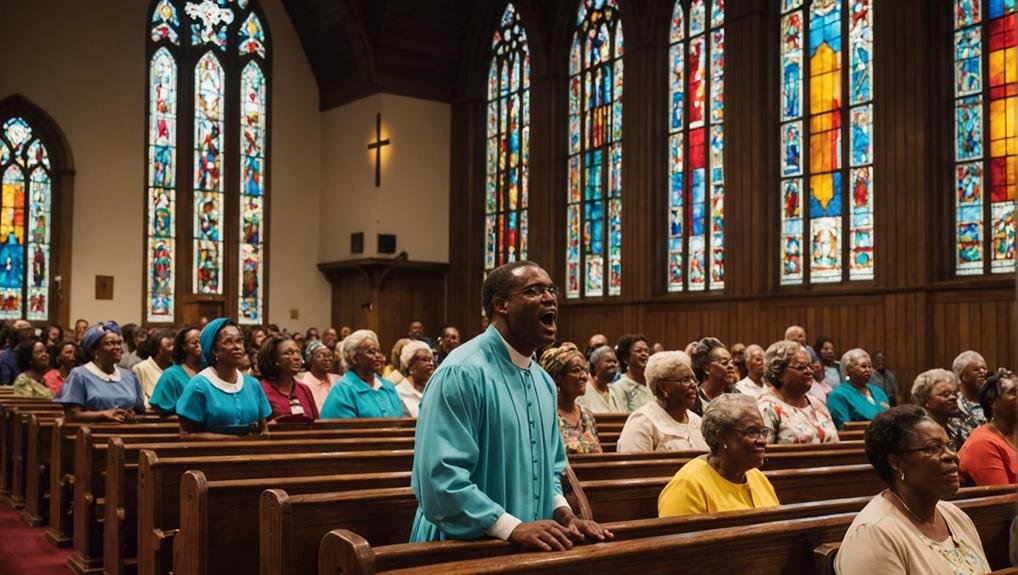
Spirituals are songs that originated from the experiences of enslaved African Americans, representing a profound aspect of American cultural heritage. These musical expressions are characterized by a unique blend of African musical traditions and Christian themes, embodying the emotional depth and resilience of a marginalized community.
Functioning as a means of emotional expression, social commentary, and communal bonding, spirituals encapsulate the struggle and hope of those who created them. The songs often employ call-and-response patterns and rich lyrical metaphors, providing a powerful outlet for coping with oppression while simultaneously serving as a repository of cultural identity and collective memory.
The evolution of spirituals has had a lasting impact on various musical genres, showcasing their enduring significance in American music. Their contemporary reinterpretations continue to resonate with modern societal challenges, revealing the multifaceted nature of this essential art form.
Further exploration into spirituals uncovers even more dimensions of their cultural and historical importance.
Spiritual Insights
- Spirituals originated among enslaved African Americans, blending African traditions and European hymnody to express emotional struggles and communal resilience.
- They served as a form of resistance, using coded messages to guide enslaved individuals toward liberation while reflecting deep faith in divine deliverance.
- Characterized by call-and-response patterns and syncopated rhythms, spirituals fostered communal participation and cultural storytelling within the slave community.
- Over time, spirituals evolved, influencing American music genres like blues and jazz, and adapting to contemporary socio-political themes.
- Their cultural legacy is essential for preserving African American heritage, providing insights into historical struggles and fostering discussions on identity and resilience.
Definition of Spirituals
Definition of Spirituals
Spirituals are a powerful genre of music that originated in the United States during the 19th century, primarily among enslaved African Americans. Spirituals are characterized by their rich emotional expression, embodying a fusion of African musical traditions and European hymnody. This genre features unique musical characteristics, including call-and-response patterns, syncopated rhythms, and a strong emphasis on vocal harmony.
These elements of spirituals not only provide a musical framework but also serve as a medium for profound emotional and social commentary, reflecting the rich legacy of spirituals in African American culture.
A lyrical analysis of spirituals reveals the intricate ways in which enslaved individuals communicated their struggles, hopes, and faith through this genre. Many spirituals draw upon biblical narratives, using metaphors of liberation and salvation to express the longing for freedom and deliverance from oppression.
For instance, songs like "Swing Low, Sweet Chariot" evoke imagery of divine rescue, while other spirituals address the harsh realities of bondage, encapsulating a collective yearning for justice and dignity.
The interplay of musical characteristics and lyrical content in spirituals illustrates their role as both a form of resistance and a spiritual refuge, highlighting the resilience of a community that, despite its suffering, found solace and strength in the power of spirituals.
Historical Origins
Historical Origins of Spirituals
The historical origins of spirituals are deeply intertwined with the African American experience during the 19th century, particularly in the era of slavery. Spirituals emerged as a vital form of emotional expression and communal bonding for enslaved individuals, encapsulating resistance narratives that documented their suffering while providing solace.
These spirituals served as a powerful vehicle for oral history, transmitting folk traditions that bridged generations despite the harsh realities of bondage. Characterized by their deep emotional resonance and storytelling elements, spirituals reflect the lived experiences of African Americans. This rich legacy in African American culture underscores the cultural significance of spirituals as a form of artistic expression.
- Musical structure: Spirituals often feature call-and-response patterns, enhancing communal participation in the performance of spirituals.
- Lyrical content: The lyrics of spirituals frequently reflect themes of liberation and hope, drawing on biblical references that resonated deeply with the enslaved populace.
- Performance practices: The dynamic performance styles of spirituals were integral to both social gatherings and religious ceremonies, fostering unity and shared purpose among those engaged in the singing of spirituals.
Through these songs, African Americans articulated their profound struggles and aspirations within their historical context, revealing a rich tapestry of cultural resilience.
The spirituals became a fundamental part of their identity, echoing the complexities of their lived experiences and underscoring the transformative power of music within oppressed communities. The historical origins of spirituals thus highlight their enduring significance in the African American narrative.
African Musical Influences
African Musical Influences on Spirituals
African musical influences are pivotal in shaping the genre of spirituals, highlighting the profound connection between African cultural heritage and musical expression. The African musical influences embedded in spirituals are evident through their rhythmic patterns, call-and-response format, melodic variations, use of percussion, and communal singing.
The rhythmic patterns found in spirituals illustrate the complexity of African musical influences, as they feature intricate and syncopated rhythms that evoke a sense of urgency and passion. This aspect of African musical influences is essential to the emotional impact of spirituals.
Furthermore, the call-and-response format, a distinctive characteristic of African musical influences, fosters an interactive dialogue between singers, creating a communal atmosphere that enhances participation and engagement.
Melodic variations in spirituals showcase the uniqueness of African musical influences, often highlighting improvised melodies that express individual identity and emotion. The incorporation of percussion, including drums and clapping, is another key aspect of African musical influences that enhances the physicality of spiritual performances.
Lastly, communal singing, a vital element of African musical influences, encourages collective participation, thereby strengthening community bonds and resilience.
Role in the Slave Community
Role in the Slave Community
The role of spirituals in the slave community was essential for fostering emotional resilience and cultural continuity among enslaved individuals. Spirituals served as a powerful means of expression and connection, allowing individuals to articulate their suffering, hopes, and collective identity within the slave community. These songs emerged as a significant form of emotional expression, reinforcing social ties that were crucial for psychological resilience in the face of enslavement.
In the context of community gatherings, spirituals fostered a sense of belonging and solidarity, further emphasizing their role in the slave community. Spirituals facilitated communication of shared experiences and collective grievances, providing a framework for communal worship and celebration that transcended the oppressive conditions of slavery.
The act of singing together became a source of strength and unity amid adversity, underscoring the importance of spirituals within the slave community. Through these musical expressions, enslaved individuals not only preserved African cultural traditions but also cultivated a unique identity that resonated with their experiences in America.
The spirituals functioned as a repository of collective memory, affirming their humanity and cultivating a spirit of resistance within the slave community. This dual role of spirituals highlights their significance, serving not merely as entertainment but as an indispensable mechanism for emotional survival and cultural continuity in the face of dehumanization.
In essence, spirituals were vital to the fabric of the slave community, embodying a rich legacy that continues to influence music today.
Themes of Hope and Resilience
Hope and resilience are vital themes that resonate throughout spirituals, highlighting the unyielding spirit of enslaved individuals in their pursuit of freedom and dignity. The theme of hope in spirituals symbolizes the promise of better days ahead, motivating the oppressed to persevere through adversity.
Similarly, resilience embodies the strength to withstand challenges, fostering a sense of community and unity among those who sang these powerful songs.
The enduring faith represented in these spirituals reflects an unwavering belief in liberation, inspiring generations to seek freedom against all odds. Through the lens of hope and resilience, these musical expressions became essential tools for survival, reinforcing a faith that transcended the immediate horrors of enslavement.
As we explore the cultural impact of hope and resilience in spirituals, we see that these songs encapsulated aspirations for liberation, creating a narrative that resonated through time.
The cultural significance of hope and resilience in spirituals lies not only in their captivating melodies but also in their profound ability to galvanize hope and resilience, offering solace and strength to those facing unimaginable hardships.
Connection to Christianity
Connection to Christianity
The connection to Christianity in spirituals highlights the profound ways in which faith influenced the lives of enslaved individuals. Spirituals are deeply rooted in Christian faith, serving as a powerful expression of the religious convictions held by enslaved individuals. These songs emerged as a remarkable fusion of African musical traditions and Christian beliefs, reflecting the struggle for freedom and salvation. Enslaved people often utilized spirituals to convey profound messages of hope and resistance, drawing upon biblical narratives that resonated with their plight.
This rich legacy of spirituals in African American culture highlights their significance as both artistic expressions and historical testimonies of endurance and faith, demonstrating how music can serve as a tool for the exploration of cultural significance.
The connection to Christianity in spirituals is evident through various elements. Spirituals often feature religious symbolism, where references to biblical figures and events illuminate the themes of suffering and redemption. The repetitive structure and call-and-response nature of spirituals facilitate communal participation, reinforcing collective identity and shared faith.
Additionally, many spirituals served as coded messages, guiding enslaved individuals on their journey to liberation, revealing the intricate interplay between faith and resistance.
As vehicles of spiritual expression, these songs provided solace and strength, allowing enslaved people to articulate their experiences while affirming their beliefs in a higher power. This connection to Christianity not only fostered a sense of community but also laid the groundwork for future movements advocating for justice and equality.
The spirituals consequently symbolize a profound intertwining of faith, identity, and resilience within the historical context of oppression, showcasing the enduring impact of the connection to Christianity on the African American experience.
Evolution Over Time
Evolution Over Time: The evolution of spirituals is a testament to the profound connection between cultural expression and historical context, particularly within the framework of Christianity. The evolution of spirituals initially emerged in the crucible of slavery, serving both as a means of communication and a form of resistance, adapting to the ever-changing societal landscapes throughout American history.
This evolution of spirituals highlights the critical role these songs played in shaping African American culture and identity. As African Americans navigated the complexities of their existence, the evolution of spirituals led to lyrical transformations that incorporated themes of hope and liberation while addressing the harsh realities of oppression.
Regional variations of spirituals emerged, influenced by local cultures and musical traditions, contributing to the rich tapestry of performance practices that diversified the spiritual repertoire. The ongoing evolution of spirituals is further evidenced by the incorporation of various genres, such as blues and jazz, showcasing their remarkable adaptability.
Generational transmission has ensured that the essence of spirituals persists, even as societal changes have altered their context and meaning. This cultural adaptation underscores the resilience of African American communities, who utilized spirituals not only as a means of spiritual expression but also as a powerful tool for social commentary.
Through the evolution of spirituals, the struggles and triumphs of the African American experience throughout American history are poignantly reflected.
Impact on American Music
Impact on American Music: The Legacy of Spirituals
The legacy of spirituals has significantly shaped the landscape of American music, influencing various genres and providing a powerful form of cultural expression. Emerging from the African American experience, spirituals are deeply emotional and religious songs that have left an indelible mark on the soundscape of the nation.
This legacy of spirituals has evolved into the blues and jazz, transforming the cultural landscape and highlighting their role as a source of hope and resistance during challenging times.
The legacy of spirituals is particularly evident in the blues, where the themes of struggle and resilience echo the trials faced by African Americans throughout history. The emotional depth of spirituals serves as a catalyst for blues storytelling, weaving narratives that reflect the human experience.
Furthermore, jazz adaptations of spirituals illustrate the profound impact of this legacy, as improvisation and rhythm breathe new life into traditional melodies, fostering a unique synergy between past and present.
Artists in jazz frequently incorporate the legacy of spirituals, blending improvisation with historical significance, which enriches the genre and cultivates a broader appreciation for African American musical heritage.
The resilience conveyed in spirituals continues to resonate, inspiring contemporary musicians to draw from this rich legacy.
Through these avenues, the legacy of spirituals has become a crucial thread in the tapestry of American music, illustrating the enduring power of cultural expression in the face of adversity.
Modern Interpretations
Modern Interpretations of Spirituals
Modern interpretations of spirituals reflect a dynamic fusion of traditional themes with contemporary influences, demonstrating their lasting relevance in today's society. Contemporary artists are increasingly reinterpreting spirituals, infusing them with modern influences while maintaining their core themes of hope and resilience.
These artistic adaptations of spirituals often serve as soulful expressions that resonate deeply within today's socio-political landscape, reflecting the rich legacy of spirituals in African American culture. For instance, artists such as Rhiannon Giddens and The Blind Boys of Alabama have embraced the rich historical context of spirituals, weaving contemporary narratives that highlight ongoing struggles for justice and equality through their reinterpretations of spirituals.
By employing various musical styles, including jazz, blues, and even hip-hop, these modern interpretations of spirituals not only breathe new life into traditional melodies but also contextualize the profound emotional weight of the original lyrics. This fusion creates a bridge between past and present, allowing listeners to engage with the spirituals on a personal level while reflecting on their historical significance.
Moreover, the modern reinterpretation of spirituals often invites discussions surrounding cultural identity and the legacy of African American experiences. In this way, contemporary renditions of spirituals serve as an essential reminder of the enduring power of spirituals, illustrating how these songs can evolve while remaining rooted in their original messages of hope and resilience.
Ultimately, modern interpretations of spirituals foster a deeper understanding of their cultural significance.
Cultural Legacy and Preservation
Cultural Legacy and Preservation of Spirituals
The cultural legacy and preservation of spirituals play a vital role in maintaining and honoring African American heritage. Spirituals, as a unique musical form, are not only artistic expressions but also vital conduits for cultural transmission, fostering community bonding and identity formation across generations.
The cultural legacy of spirituals is deeply intertwined with the experiences and struggles of African Americans, making them an essential element of cultural storytelling.
The preservation of spirituals is important for several reasons:
- Cultural Continuity: Spirituals embody the shared history and resilience of a people, linking past generations with the present and reinforcing their cultural legacy.
- Educational Value: Spirituals serve as profound tools for teaching about resistance movements and the socio-political landscape of their time, thereby enhancing the understanding of their cultural legacy.
- Artistic Innovation: The cultural legacy of spirituals inspires contemporary artists, fostering new interpretations while maintaining the essence of their origins.
As a rich tapestry of emotional depth and social resistance, spirituals continue to resonate in contemporary society.
The cultural legacy and preservation of spirituals ensure that these important songs remain a living, evolving expression of cultural identity, allowing the voices of those who once sang them to be preserved and celebrated in modern contexts.
Mystical Questions
How Do Spirituals Differ From Other Types of Folk Music?
Spirituals differ from other folk music through their unique melodic structure and profound lyrical themes that often convey deep emotional experiences, particularly related to faith, hope, and resilience, distinguishing them as a significant cultural expression.
Were Spirituals Used in Any Specific Historical Events or Movements?
Spirituals played a significant role in various historical contexts, particularly during the Civil Rights Movement, where they served as anthems of resistance and unity, highlighting their profound cultural impact on social change and collective identity.
Can Spirituals Be Found in Other Cultures Outside of African American Traditions?
Indeed, global spirituals exist across various cultures, reflecting unique cultural adaptations. Many communities have embraced similar musical forms, utilizing themes of hope and resilience, thereby enriching their own traditions while resonating with the essence of spirituals.
How Are Spirituals Taught and Preserved in Contemporary Education?
Like threads weaving a tapestry, spirituals are taught and preserved through oral traditions and educational frameworks. Contemporary educators integrate these rich musical forms into curricula, fostering cultural appreciation and historical understanding among students across diverse backgrounds.
What Role Do Spirituals Play in Today's Social Justice Movements?
Spirituals serve as powerful protest songs in today's social justice movements, embodying the struggle for equality. They facilitate community healing by fostering unity, resilience, and a shared cultural identity, inspiring collective action and hope for a better future.


