
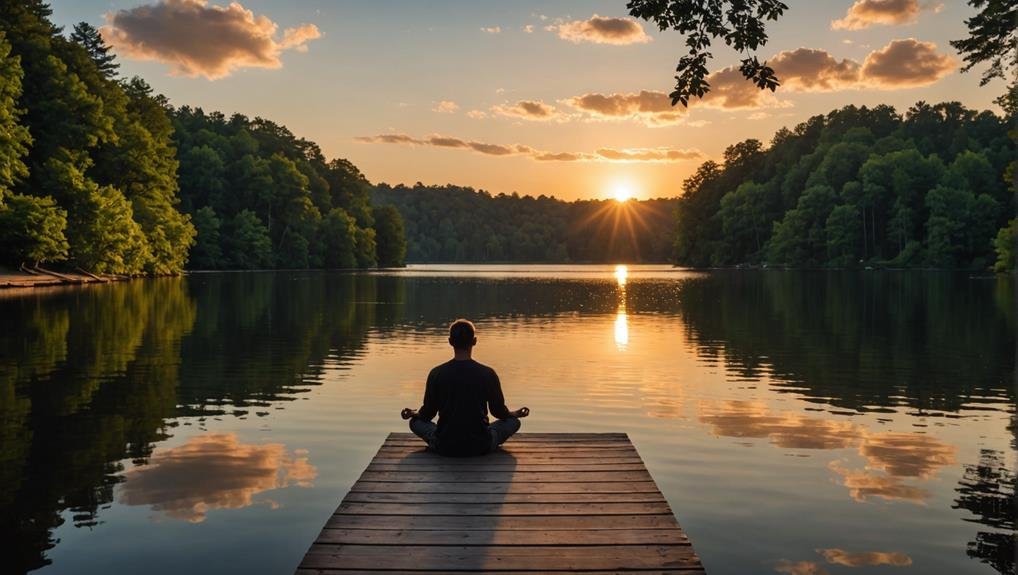
Spiritual communion is a profound practice that can significantly transform your life by fostering deeper self-awareness and emotional healing. This concept is rooted in various religious and philosophical traditions, emphasizing the importance of connection and mindfulness in personal development. Through spiritual communion, individuals can cultivate a greater understanding of themselves, leading to emotional resilience and growth.
Additionally, spiritual communion strengthens connections with others, creating a sense of belonging and community. This practice has historically provided a foundation for social organization, allowing people to come together through shared experiences. By nurturing these communal ties, individuals can collectively progress and support one another in navigating life's challenges.
As we delve deeper into the multifaceted benefits and practices of spiritual communion, we uncover its transformative power. This exploration reveals how spiritual communion not only enhances personal clarity and purpose but also empowers individuals to face life's adversities with renewed strength and a sense of direction.
Spiritual Insights
- Spiritual communion fosters emotional healing, releasing stress and enhancing mental well-being through connection with the divine.
- Engaging in spiritual practices promotes personal growth, increasing self-awareness and emotional intelligence for better interpersonal relationships.
- A deeper sense of belonging to a spiritual community strengthens faith and resilience, contributing to overall mental health.
- Mindfulness and reflection practices cultivate inner peace, enhancing clarity and compassion in personal and communal interactions.
- Participating in spiritual communion supports overcoming life challenges, providing clarity and support through emotional upheaval and promoting sustained well-being.
Understanding Spiritual Communion
Understanding Spiritual Communion
Spiritual communion is a profound connection that exists between an individual and the divine, allowing for a transcendent experience that goes beyond physical boundaries. This sacred concept of spiritual communion has been a foundational aspect of various religious and philosophical traditions, acting as a conduit for individuals to experience the divine presence in their lives. Engaging in spiritual communion can deepen one's faith and lead to transformative insights, enriching one's spiritual practice.
From ancient rituals to modern spiritual practices, the pursuit of spiritual communion reflects humanity's timeless yearning for meaning and understanding. Historically, expressions of spiritual communion have taken many forms, such as prayer, meditation, and communal worship, all aimed at nurturing an intimate relationship with the divine.
Mystics across different faiths have often recounted their encounters with spiritual communion as moments of profound clarity and revelation, where the distinction between the self and the divine fades away, leaving a lasting impact on their spiritual journey.
In contemporary society, the importance of spiritual communion is heightened as individuals increasingly seek authenticity and connection amid a fragmented world. Therefore, grasping the concept of spiritual communion is essential not only for personal growth but also for cultivating a collective consciousness that acknowledges our shared human experience and spiritual heritage.
Benefits of Spiritual Communion
Benefits of Spiritual Communion
Spiritual communion refers to the practice of connecting with the divine and others to foster personal and communal growth. Engaging in spiritual communion offers numerous benefits that extend beyond individual well-being, fostering a sense of connection to something greater than oneself. This practice, often rooted in sacred rituals, serves as a conduit for personal growth and emotional healing. By participating in transformative practices, individuals can experience profound energy exchange, promoting spiritual nourishment and a deeper divine connection.
The table below illustrates key benefits of spiritual communion:
| Benefit | Description | Impact on Life |
|---|---|---|
| Emotional Healing | Release of pent-up emotions through shared experiences | Enhanced mental well-being |
| Personal Growth | Opportunities for self-reflection and insight | Increased self-awareness |
| Divine Connection | Sense of belonging to a larger spiritual community | Strengthened faith and resilience |
Through conscious intention, spiritual communion acts as a catalyst for holistic well-being, encouraging individuals to embrace their spiritual journeys. The historical significance of spiritual communion reveals its enduring role in society, often transcending cultural boundaries. By engaging deeply with the benefits of spiritual communion, individuals not only enrich their own lives but also contribute positively to their communities, reinforcing the interconnectedness of human experience.
Building Inner Peace
Building Inner Peace
Building inner peace is essential for personal well-being and spiritual growth in today's chaotic world. Inner peace is not just a personal achievement; it involves a collective journey towards tranquility that can be nurtured through various practices. By engaging in activities that promote inner peace, individuals can cultivate a serene state of mind and forge a deeper connection with their spiritual selves.
To foster inner peace, consider integrating the following practices into your daily routine:
- Mindfulness meditation, which encourages present-moment awareness and helps alleviate distractions.
- Deep-breathing exercises that calm the nervous system, promoting a state of relaxation conducive to inner peace.
- Nature immersion, which allows individuals to reconnect with the earth and find solace in the natural world.
- Journaling, facilitating self-reflection and emotional processing that contributes to a clearer mind and inner peace.
- Guided imagery, which promotes positive visualization and relaxation, enhancing feelings of well-being and inner peace.
Historically, inner peace has been recognized across cultures, often embedded within spiritual traditions. This acknowledgment highlights the societal shift towards valuing mental health and emphasizes that the pursuit of inner peace is a shared endeavor.
As more individuals embrace these practices, they not only enhance their own lives but also support a broader cultural movement advocating for holistic well-being. In this way, the transformative power of spiritual communion plays a crucial role in achieving lasting serenity and deepening the experience of inner peace.
Enhancing Relationships
Enhancing Relationships through Inner Peace and Compassionate Communication
Enhancing relationships begins with building inner peace, which serves as a strong foundation for meaningful connections. When individuals cultivate inner peace, they become more centered and calm, allowing them to engage in compassionate communication that deepens their relationships. The journey towards emotional intimacy, characterized by vulnerability and trust, thrives when one is grounded in spiritual communion. Therefore, enhancing relationships through this process becomes not only achievable but also enriching.
Furthermore, seeking spiritual guidance and support plays a crucial role in enhancing relationships by empowering individuals to navigate their emotions with clarity and purpose. Historically, societies that prioritize communal values demonstrate stronger interpersonal bonds, underscoring the importance of compassionate communication as a vehicle for deeper connections.
By enhancing relationships through open dialogue, individuals can express their feelings and thoughts without fear of judgment, fostering emotional intimacy and encouraging empathy. Engaging in compassionate communication allows individuals to break down barriers that typically lead to conflict, transforming relationships into supportive partnerships.
The historical context of spiritual practices highlights their significant role in enhancing relationships and social cohesion. Communities that participate in shared spiritual experiences often report higher levels of relational satisfaction, reinforcing the idea that enhancing relationships is a collective endeavor.
Cultivating Mindfulness
Cultivating Mindfulness
Cultivating mindfulness is the practice of being fully present in the moment, which facilitates personal transformation and spiritual growth. Mindfulness serves as a powerful tool for individuals seeking to deepen their connection with themselves and the world around them. By engaging in mindfulness, individuals can enhance their awareness of thoughts, feelings, and sensations, ultimately leading to a more enriched life experience.
Spiritual meditation plays a vital role in cultivating mindfulness, allowing practitioners to access their inner wisdom and gain clarity about their life's journey. This deepened understanding fosters profound insights and aids in emotional regulation, showcasing the transformative power of meditation within the framework of mindfulness.
The cultivation of mindfulness can yield a variety of benefits, such as:
- Enhanced emotional resilience and reduced anxiety through regular mindfulness practice.
- Improved focus and cognitive clarity that arises from engaging fully in the present moment.
- Greater self-awareness and introspection, which are key components of cultivating mindfulness.
- Increased compassion towards oneself and others, cultivated through mindful awareness.
- A deeper appreciation for daily experiences, as mindfulness encourages us to notice the beauty in the ordinary.
Historically, the cultivation of mindfulness has transcended cultural boundaries, influencing various spiritual and philosophical traditions. In today's fast-paced society, as individuals grapple with the incessant demands of modern life, the significance of cultivating mindfulness becomes increasingly pronounced.
It offers a sanctuary from chaos, allowing individuals to immerse themselves in the present moment and confront the complexities of existence with greater equanimity. Consequently, cultivating mindfulness not only serves as a mechanism for personal development but also fosters a more harmonious existence, ultimately transforming one's life through intentional awareness and presence.
Fostering Community Connections
Fostering Community Connections
Fostering community connections is vital for enhancing individual well-being and driving collective progress. Throughout history, fostering community connections has been a foundational aspect of social organization, offering individuals a sense of belonging that nurtures resilience and emotional support.
The Agape Spiritual Center is a prime example of fostering community connections by promoting love and unity among individuals, which ultimately enhances interpersonal relationships and fortifies community ties. Engaging in community activities—such as volunteerism, local advocacy, and cultural events—serves as a powerful means of fostering community connections, galvanizing collective action toward shared objectives.
These shared experiences, whether through communal rituals, charitable endeavors, or social gatherings, weave a rich tapestry of interdependence that fosters trust and cooperation among individuals.
Furthermore, the significance of fostering community connections goes beyond personal fulfillment; it plays a crucial role in ensuring societal stability and cohesion. Historical movements, like the civil rights movement, exemplify how fostering community connections rooted in shared experiences can unite diverse groups in the fight against systemic injustices.
In modern contexts, neighborhoods that focus on fostering community connections often report lower crime rates and increased civic engagement, highlighting the substantial impact of interconnectedness on the health of society.
Therefore, by actively fostering community connections, individuals not only enrich their own lives but also help cultivate a thriving environment where collective aspirations can thrive, ultimately resulting in transformative outcomes for everyone involved.
Overcoming Life Challenges
Overcoming Life Challenges
Overcoming life challenges involves navigating difficult circumstances that test our resilience and strength. Many individuals encounter significant life challenges that not only challenge their coping abilities but also provide vital opportunities for growth and transformation.
These experiences, often fraught with emotional upheaval, can serve as pivotal moments for resilience building and personal development. Engaging in mindfulness practices becomes crucial in overcoming life challenges, as it facilitates emotional healing and allows individuals to confront their struggles with greater clarity and inner strength.
Additionally, nurturing spiritual well-being through practices such as meditation and self-reflection is essential in overcoming life challenges, as it fosters a deeper connection to one's inner self and sense of purpose.
Consider the following strategies that highlight the path to overcoming life challenges:
- Embracing transformative experiences that challenge preconceived notions of self is vital in overcoming life challenges.
- Utilizing coping strategies that foster emotional regulation and balance is a key element in overcoming life challenges.
- Integrating mindfulness practices to enhance present-moment awareness significantly aids in overcoming life challenges.
- Recognizing the importance of community support is crucial in managing difficulties and overcoming life challenges.
- Reflecting on life purpose as a guiding force during turbulent times plays an essential role in overcoming life challenges.
Deepening Self-Awareness
Deepening Self-Awareness
Deepening self-awareness is the intentional practice of self-reflection and introspection that enhances one's understanding of their thoughts, emotions, and behaviors. Through the process of deepening self-awareness, individuals can engage in various self-reflection practices that promote a critical examination of their inner landscape.
Historically, figures like Socrates have underscored the significance of self-awareness, famously asserting that "the unexamined life is not worth living." This highlights that deepening self-awareness has always been a fundamental aspect of personal growth and emotional intelligence development.
Moreover, cultivating spiritual communion can further enrich the journey of deepening self-awareness, fostering profound connections and insights into one's authentic self through shared experiences and enhanced personal growth.
In today's world, the importance of deepening self-awareness is paramount, particularly regarding emotional intelligence. Individuals who actively focus on deepening self-awareness are better equipped to navigate complex interpersonal dynamics, fostering empathy and improving communication.
Additionally, incorporating self-reflection practices into daily routines can lead to transformative insights, guiding individuals toward more authentic lives. As one delves deeper into their motivations and fears, the journey of deepening self-awareness often enhances their capacity for self-regulation and resilience, contributing to overall well-being.
Consequently, deepening self-awareness not only enriches individual lives but also fosters more harmonious social interactions, underscoring its significant societal implications.
Embracing a Spiritual Journey
Initiating a Spiritual Journey
Initiating a spiritual journey involves a conscious commitment to explore and deepen one's connection with the inner self. To begin this spiritual journey, one must engage in intentional living and cultivate mindfulness practices that serve as vital guideposts along the way.
Sacred rituals play a crucial role in this spiritual journey, facilitating personal growth and fostering a profound connection to one's inner guidance. Furthermore, spiritual counseling can significantly enhance this spiritual journey by offering insights that lead to healing and transformation. The presence of spiritual mentors also enriches this spiritual journey, providing invaluable wisdom from their own transformative experiences.
To effectively initiate this spiritual journey, consider incorporating the following elements:
- Sacred rituals that create a structured environment for reflection and connection throughout your spiritual journey.
- Mindfulness practices that promote presence and awareness, reinforcing the significance of being present in your spiritual journey.
- Spiritual mentors who can offer support and guidance, enriching your spiritual journey with their shared experiences.
- Transformative experiences that challenge your beliefs, paving the way for deeper faith exploration within your spiritual journey.
- Inner guidance that empowers you to navigate the unique path of your spiritual journey.
As you initiate this spiritual journey, you will not only delve into the depths of your faith but also contribute to a broader understanding of spirituality's role in both personal and communal well-being.
This journey invites profound reflections on existence, enriching your comprehension of the human experience.
Mystical Questions
Can Spiritual Communion Be Practiced Alone or With Others?
Spiritual communion can be practiced both individually and in group settings. Individual practices foster personal reflection, while group dynamics enhance shared experiences, creating a deeper connection among participants and enriching the overall spiritual journey.
What Are Some Common Misconceptions About Spiritual Communion?
Many believe spiritual communion solely offers benefits, overlooking challenges such as emotional vulnerability and differing beliefs. Recognizing these misconceptions fosters a deeper understanding, enhancing the practice and enabling individuals to navigate their spiritual journeys more effectively.
How Does Spiritual Communion Differ From Traditional Prayer?
Spiritual communion differs from traditional prayer by emphasizing a deeper spiritual expression and fostering an emotional connection with the divine. This practice encourages personal engagement and reflection, enhancing the overall spiritual experience beyond mere recitation of prayers.
Is There a Specific Time or Place for Spiritual Communion?
In the tapestry of spiritual practice, spiritual communion does not demand specific times or places; however, engaging in specific practices within sacred spaces often enhances the experience, fostering deeper connections and reflections in one's spiritual journey.
Can Spiritual Communion Be Integrated Into Daily Routines?
Integrating spiritual communion into daily routines is achievable through mindful moments and creating a sacred space. By intentionally dedicating time for reflection and connection, individuals can enhance their spiritual practice throughout everyday life.


