
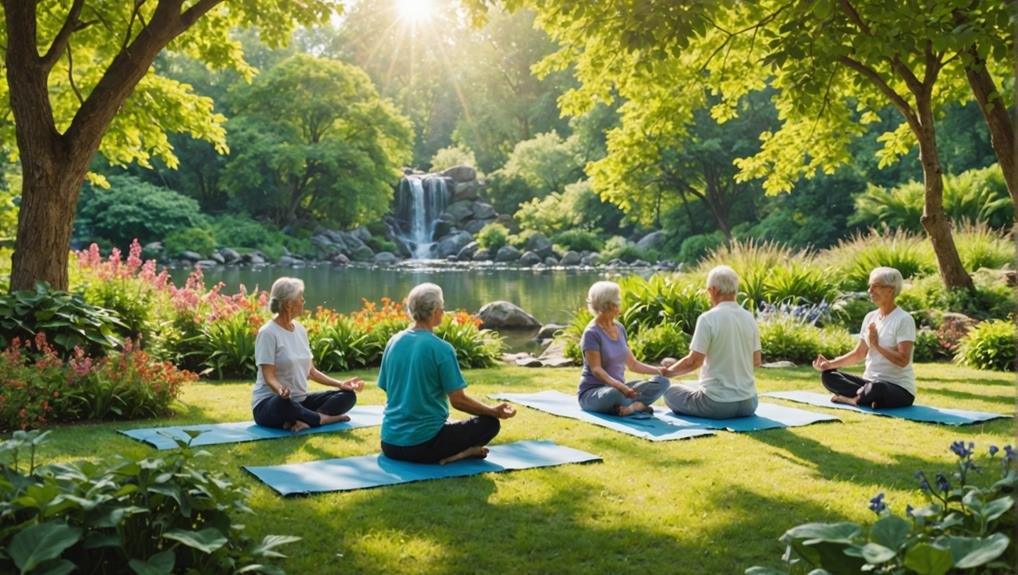
Aging is a complex, multidimensional journey that encompasses significant changes across various domains: physical, mental, emotional, and spiritual. This process is not merely about growing older; it involves adapting to the inevitable transformations that occur within the body and mind as one progresses through different life stages.
Physically, aging often manifests through visible signs such as wrinkles, decreased muscle mass, and metabolic changes. These alterations may require individuals to make lifestyle adjustments to maintain their health and vitality. Regular exercise, balanced nutrition, and preventive healthcare become essential components of a healthy aging process.
Cognitively, the aging process is accompanied by an increased risk of decline, including neurodegenerative disorders like dementia. This aspect of aging raises critical concerns about mental health and cognitive function, emphasizing the importance of engaging in activities that stimulate the mind and promote lifelong learning.
Emotionally, resilience plays a vital role in how individuals navigate the challenges of aging. Developing positive coping strategies can enhance emotional well-being and foster traits such as gratitude and acceptance. This emotional resilience can be supported by strong social connections that help mitigate feelings of isolation and loneliness.
Spiritual growth is another significant dimension of aging. As individuals reflect on their life experiences and search for meaning, they may engage more deeply in spiritual practices or beliefs. This journey can lead to profound insights about life's purpose and contribute to overall fulfillment.
Ultimately, the aging process is a holistic experience that intertwines these various aspects. Embracing healthy lifestyle choices and effective coping mechanisms is crucial for optimizing well-being. A thorough exploration of these dimensions reveals the intricacies of aging, highlighting the importance of a balanced approach to physical, mental, emotional, and spiritual health.
Spiritual Insights
- Aging physically involves managing visible changes, maintaining health through exercise and nutrition, and addressing metabolic and immune system declines.
- Mentally, cognitive decline can lead to depression and loneliness, highlighting the importance of mental health care and social connections.
- Emotionally, resilience is enhanced by strong relationships, mindfulness practices, and spiritual growth, fostering a positive outlook on life.
- Spiritual growth encourages reflection on purpose and existence, promoting peace and gratitude, which enrich overall well-being.
- Social connections are crucial for combating isolation, enhancing emotional stability, and supporting successful aging through community engagement and meaningful interactions.
Physical Changes in Aging
Physical Changes in Aging
Physical changes in aging encompass a range of inevitable transformations that affect individuals as they transition into older adulthood. These physical changes in aging often manifest visibly through wrinkles, gray hair, and sagging skin, which are biological indicators of the passage of time.
Importantly, these physical changes in aging are not just superficial; they can also signal broader health implications that influence overall well-being and lifestyle choices. As the immune system experiences gradual decline, older adults become more susceptible to infections, highlighting the need for preventive healthcare measures to address these physical changes in aging.
Furthermore, a decline in metabolic rate associated with aging necessitates dietary adjustments to maintain energy levels and physical health, emphasizing the importance of healthy lifestyle choices in navigating physical changes in aging.
Regular exercise and a balanced diet become essential strategies for combating the loss of muscle mass and supporting cardiovascular health, further illustrating the impact of physical changes in aging on daily life.
Additionally, sleep patterns often shift as individuals age, with many older adults facing disrupted rest, which complicates recovery and affects both physical health and cognitive function.
Understanding the multifaceted nature of physical changes in aging is crucial, as it encompasses not only biological realities but also the social implications of health disparities within aging populations.
Addressing the challenges of physical changes in aging requires a holistic approach that prioritizes lifestyle choices, empowering individuals to mitigate the effects of these inevitable transformations.
Cognitive Decline and Mental Health
Cognitive decline, a significant concern for the older population, impacts not only memory and thinking abilities but also mental health. This cognitive decline is often intertwined with various psychological factors that greatly affect emotional health and overall quality of life.
Remarkably, approximately 5% of older adults globally experience dementia, a figure projected to rise dramatically, while around 7% of this demographic suffers from depression, frequently going underdiagnosed due to overlapping symptoms with cognitive impairments. As emphasized by Peter Scazzero, the integration of emotional well-being is essential in fostering resilience during these challenging times of cognitive decline.
To illustrate the emotional toll of cognitive decline, consider the following:
- Isolation: Many older adults experiencing cognitive decline withdraw from social engagement, exacerbating feelings of loneliness and despair.
- Frustration: Cognitive deficits related to cognitive decline can lead to frustration in everyday tasks, affecting self-esteem and overall well-being.
- Fear: The prospect of losing mental faculties due to cognitive decline can instill a profound sense of fear regarding successful aging.
Effective interventions, such as cognitive stimulation and social activities, are necessary to mitigate cognitive decline and enhance mental health outcomes.
Emotional Resilience and Well-being
Emotional Resilience and Well-being in Older Adults
Emotional resilience is essential for the well-being of older adults, impacting their ability to navigate the complexities of later life. This emotional resilience is closely linked to positive psychological traits such as a strong sense of purpose and optimism. These traits not only enhance emotional resilience but also correlate with better mental health, longer lifespans, and improved health outcomes.
As older adults age, they often experience increased emotional maturity, which contributes to better emotion management and a deeper appreciation for life's simple pleasures. Moreover, the integration of emotional well-being with spiritual growth can further strengthen emotional resilience, encouraging older adults to embrace their experiences and develop a holistic view of life, thus fostering emotionally healthy spirituality.
Additionally, social relationships significantly contribute to emotional resilience by mitigating feelings of loneliness and depression, thereby promoting emotional well-being. Engagement in social networks creates a sense of belonging, which is vital for older adults who may experience isolation.
Furthermore, older individuals often display heightened empathy and stronger values regarding relationships, which further supports their emotional health and resilience.
To cultivate emotional resilience, implementing strategies such as mindfulness practices, maintaining social connections, and nurturing gratitude is crucial. These health behaviors not only enhance emotional resilience but also lead to improved mental health outcomes, ultimately empowering older adults to thrive in their later years while effectively confronting the challenges that accompany aging.
Spiritual Growth and Meaning
Spiritual Growth and Meaning
Spiritual growth and meaning are integral components of the human experience, particularly as individuals navigate the complexities of life. The pursuit of spiritual growth and meaning often leads to profound reflections on existence, purpose, and one's connection to a higher power. This journey of spiritual growth encourages individuals to delve into deeper questions, resulting in enhanced self-discovery and renewal.
Research supports the notion that engaging in spiritual practices can significantly improve mental health outcomes, such as reduced rates of depression and anxiety, further emphasizing the importance of spiritual growth and meaning in our lives.
Many older adults find that embracing spiritual growth and meaning throughout their aging journey leads to transformative experiences, enriching their understanding of life's intricacies. A deeper appreciation for life's simple pleasures often emerges, fostering emotional resilience amid life changes.
The following aspects of spiritual growth and meaning are essential:
- Enhanced well-being – Engaging in spiritual practices cultivates peace and gratitude, significantly influencing overall quality of life and reinforcing the importance of spiritual growth and meaning.
- Increased meaning – Individuals frequently discover purpose through reflection on their beliefs and values, which is a vital aspect of spiritual growth and meaning that leads to personal growth.
- Strengthened connections – Spirituality often deepens one's connection to a higher power, offering comfort and support during challenging times, thus highlighting the role of spiritual growth and meaning in everyday life.
Social Connections and Relationships
Social Connections and Relationships
Social connections and relationships are crucial for enhancing the quality of life for older adults, especially as they navigate the challenges of aging. The significance of social connections and relationships cannot be overstated, as they play a vital role in alleviating feelings of loneliness, which can negatively affect emotional well-being and overall health outcomes.
Research shows that loneliness is closely associated with an increased risk of cognitive decline, including conditions such as Alzheimer's disease, highlighting the necessity of fostering social connections and relationships. Furthermore, nurturing spiritual health can enhance these social connections and relationships by instilling a sense of purpose and belonging, both of which are essential for emotional stability.
Engaging in community activities—such as volunteering or participating in local events—serves as an effective strategy for establishing new social connections and relationships while reinforcing existing ones. This engagement promotes a sense of belonging and purpose.
Daily face-to-face interactions are critical in preventing the isolation often faced by older adults, contributing to the cultivation of social connections and relationships that enhance resilience and support successful aging.
Ultimately, the process of developing strong social connections and relationships is fundamental to enriching the lives of older adults, as these connections significantly impact their overall quality of life and promote a holistic approach to aging that encompasses physical, mental, and emotional dimensions.
Lifestyle Choices and Health
Lifestyle Choices and Health: The relationship between lifestyle choices and health significantly influences the well-being of older adults.
The interconnectedness of social connections and lifestyle choices plays a notable role in the health and well-being of older adults. Engaging in regular physical activity is a vital lifestyle choice that not only enhances strength and agility but also contributes considerably to longevity and mental health, leading to a more fulfilling life.
Additionally, cultivating inner peace through spiritual growth can enhance resilience and emotional stability during the aging process, which is essential for maintaining a positive outlook on life. A balanced diet, rich in high-fiber foods, fruits, and vegetables, becomes increasingly important as metabolism slows, ensuring sustained energy levels.
Moreover, cognitive activities, such as puzzles, serve as fundamental tools in preventing cognitive decline and promoting mental sharpness.
Consider the following lifestyle choices that can profoundly impact successful aging:
- Physical Activity: Regular exercise as a lifestyle choice fosters physical resilience, promoting longevity and emotional well-being.
- Social Engagement: Maintaining strong relationships as a lifestyle choice reduces feelings of loneliness and enhances mental health.
- Healthy Diet: A nutrient-rich diet as a lifestyle choice supports not only physical health but also cognitive function.
Research underscores that these lifestyle choices collectively enhance physical and cognitive health, ultimately leading to a greater likelihood of healthy aging.
Historical patterns reveal that societies prioritizing these lifestyle choices have consistently recorded better outcomes in emotional well-being, emphasizing the profound implications of our choices as we age.
Coping Strategies for Aging
Coping Strategies for Aging
Coping strategies for aging are essential tools that help older adults navigate the unique challenges associated with growing older. Recognizing the emotional aspects of aging, such as feelings of loneliness, chronic disease, and diminished mental health, is critical for developing effective coping strategies. By embracing emotionally healthy spirituality, older adults can integrate emotional well-being with spiritual growth, which is a vital component of their coping strategies for aging.
Engaging in physical exercise is another key coping strategy for aging; it not only promotes physical health but also fosters emotional resilience, significantly reducing the risk of depression and anxiety.
Additionally, maintaining regular social interactions and community involvement are effective coping strategies for aging that combat isolation—an issue frequently faced by the elderly. These social connections create a sense of belonging, which is crucial for mental well-being.
Cultivating gratitude and acknowledging one's feelings are also important coping strategies for aging that enhance emotional health and prevent negative emotions from taking root.
Quality sleep is another fundamental aspect of coping strategies for aging, as it plays a critical role in emotional regulation and cognitive function.
Furthermore, utilizing mental health resources, such as therapy or support groups, equips older adults with essential tools to effectively navigate the complexities of aging.
Mystical Questions
What Are the 4 Physical Aspects of Aging?
The four physical aspects of aging include muscle loss, joint stiffness, and reduced skin elasticity, along with declines in bone density and cardiovascular health, which collectively impact overall physical function and well-being as individuals age.
What Are the 4 Factors of Aging?
Aging encompasses biological processes, psychological changes, and emotional resilience, markedly influenced by lifestyle choices and environmental factors. Additionally, cognitive decline and health management play vital roles, alongside the importance of social connections and spiritual growth.
What Are the Five Aspects of Aging?
Studies reveal that 96% of older adults report successful aging through robust social connections. The five aspects—cognitive decline, emotional resilience, spiritual growth, lifestyle choices, and mindfulness practices—highlight the importance of adaptive skills and generational wisdom for holistic well-being.
What Are the 4 Pillars of Aging?
The four pillars of aging encompass a healthy lifestyle through nutritional balance and physical fitness, mental resilience supported by mindfulness practices, emotional intelligence cultivated via social connections, and spiritual growth encouraged through self-reflection techniques.


