
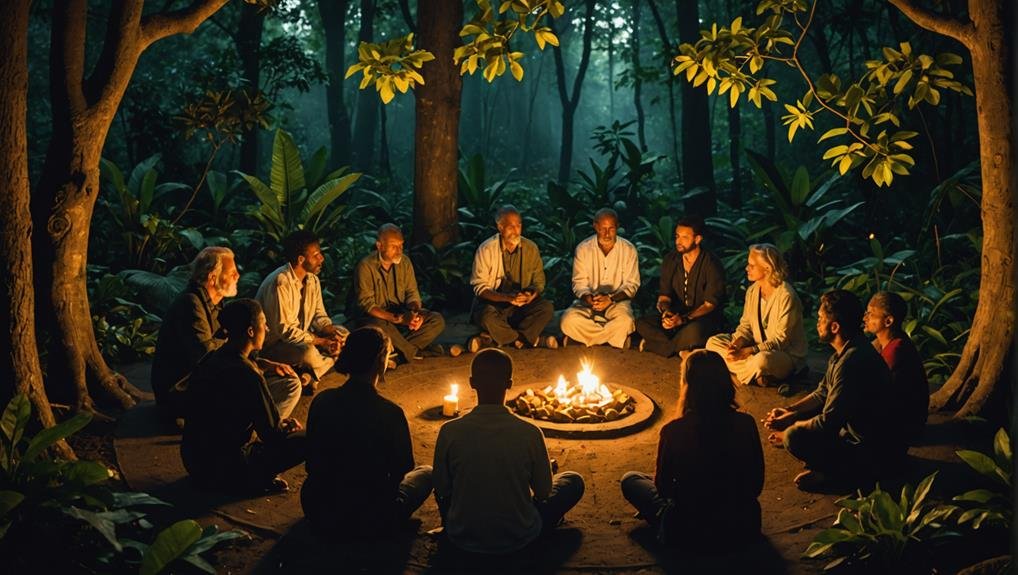
Spiritual collectivism is characterized by communal beliefs and shared experiences that foster deeper connections among members while promoting inclusivity and pluralism. This approach emphasizes the importance of belonging and personal development within a group context, allowing individuals to explore their spirituality in a supportive environment.
In stark contrast, cults utilize manipulative practices and authoritarian leadership to isolate individuals. These groups often enforce strict adherence to singular ideologies, which can lead to identity disintegration and emotional manipulation among members. The dynamics within such groups are marked by fear and control, creating a significant departure from the nurturing atmosphere of spiritual collectivism.
Moreover, the historical evolution of both spiritual collectivism and cults plays a crucial role in shaping their contemporary structures. Understanding these distinctions is essential for navigating spiritual paths effectively.
By recognizing the differences between supportive communal beliefs and the isolating practices of cults, individuals can safeguard their well-being while exploring their spiritual journeys.
Spiritual Insights
- Spiritual collectivism emphasizes shared experiences and inclusivity, fostering deeper connections among members, while cults enforce strict ideologies and authoritarian control.
- Spiritual communities support diverse interpretations and pluralism, whereas cults manipulate members and isolate them from external relationships.
- Group rituals in spiritual collectivism strengthen bonds and create belonging, while cults may use rituals to manipulate and exclude non-members.
- Leadership in spiritual collectivism inspires and guides members, while cults often perpetuate power imbalances and demand unquestioning loyalty.
- The psychological impact of spiritual collectivism can promote personal growth, while cults often lead to emotional manipulation and mental health decline.
Defining Spiritual Collectivism
Spiritual collectivism, as a framework that prioritizes shared spiritual experiences and communal practices, fosters a sense of belonging and deeper connections among individuals within a group. This paradigm emphasizes the collective experience of spirituality over individualistic practices, establishing communal beliefs and shared rituals that enhance the spiritual journeys of its members.
Historically, spiritual collectivism has manifested in various forms, such as Indigenous spiritual traditions, communal religious practices, and modern spiritual movements that prioritize group engagement over solo exploration. Significantly, spiritual collectivism can also shape group dynamics, influencing how members interact with one another and the broader society, which often reflects the defining traits of cults.
These collective experiences often serve to reinforce social ties, as individuals share in rituals and ceremonies that enhance their spiritual journeys. The implications of spiritual collectivism extend beyond mere participation; they foster a communal identity that can provide emotional support, encourage moral accountability, and promote resilience in the face of societal challenges.
However, this framework also invites critical examination, as the blending of personal spirituality with group dynamics can lead to suppression of individual expression, particularly when communal norms become rigid. Consequently, while spiritual collectivism offers pathways for connection and understanding, it also necessitates a careful balance between collective engagement and the preservation of individual spiritual autonomy, an aspect that warrants deeper investigation in contemporary discourse.
Characteristics of Cults
Characteristics of Cults: Cults are defined by their manipulative and controlling practices that distinguish them from benign spiritual communities.
Cults often emerge from the framework of spiritual collectivism, yet they exhibit distinct characteristics that differentiate them from benign communal spiritual practices. These organizations typically manipulate group dynamics and belief systems to exert control over their members, creating environments that foster dependency and isolation from the outside world.
This manipulation can lead to an intense sense of belonging, which may initially appear beneficial but often masks underlying coercive practices that can harm individuals and disrupt personal relationships, as highlighted in the defining traits of cults.
The following characteristics are often observed in cults:
- Authoritarian Leadership: Cults usually have a singular, charismatic leader whose authority is unquestionable, often claiming exclusive access to truth or divine revelations, thereby consolidating power.
- Exploitation of Members: Economic, emotional, and psychological exploitation is common, as members may be coerced into contributing their resources or labor, reinforcing their loyalty to the group over personal autonomy.
- Isolation from Society: Cults typically encourage or mandate separation from family, friends, and broader social circles, which serves to reinforce the group's belief systems and diminish external influences that could challenge the cult's ideologies.
These characteristics create a potent mix of manipulation and control, leading to significant social implications, especially regarding individual identity and freedom within a broader societal context.
Understanding these traits is essential for recognizing the potentially harmful nature of such groups.
Key Differences Between Both
Key differences between benign spiritual communities and cults lie in their structures, practices, and impacts on individual autonomy. Several key differences exist between benign spiritual communities and cults, primarily rooted in their structures, practices, and impacts on individual autonomy.
In benign spiritual communities, community dynamics often emphasize inclusivity, open communication, and respect for diverse belief systems, fostering a supportive environment where members can explore spirituality freely. Spiritual collectivism concepts often encourage shared experiences and mutual support, enhancing the sense of belonging among members.
In contrast, cults typically exhibit hierarchical structures, concentrating power in a single leader or a small group, which can restrict individual input and promote conformity.
Moreover, the belief systems of these groups diverge greatly. Spiritual communities generally embrace pluralism, allowing members to hold varying interpretations and practices, while cults demand strict adherence to a singular ideology, often labeling dissent as betrayal. This rigidity can lead to an atmosphere of fear and dependency, undermining personal autonomy.
Historical contexts reveal that spiritual communities often arise in response to societal needs for connection and understanding, whereas cults may exploit vulnerabilities, capitalizing on personal crises or existential inquiries.
Consequently, the distinctions between benign spiritual communities and cults lie not only in their organizational structures but also in their approaches to individual growth, freedom, and the overall impact on members' lives, reflecting broader social implications.
Psychological Impact on Members
Psychological Impact on Members: The psychological effects of spiritual collectivism and cults are significant, influencing members' identities, beliefs, and mental health.
The psychological impact on members of spiritual collectivism and cults can be profound, shaping their identities, beliefs, and overall mental well-being. These groups often employ tactics that lead to member isolation and emotional manipulation, which can have lasting effects on individuals.
In many cases, these groups create an environment where questioning or dissent is discouraged, further entrenching members in their beliefs and practices, as explored in the defining traits of cults.
- Identity Disintegration: Members frequently undergo a process where their personal identities are subsumed by the collective identity of the group, leading to confusion and loss of self-worth when they attempt to reintegrate into society.
- Dependence and Loyalty: Emotional manipulation is commonly used to create an environment of dependence, where members feel they cannot leave the group without severe emotional or spiritual consequences, fostering a sense of loyalty that can be difficult to break.
- Mental Health Decline: Isolation from the outside world can exacerbate feelings of anxiety, depression, and paranoia. The lack of external support systems removes essential coping mechanisms, leaving individuals vulnerable to psychological distress.
In examining these dynamics, it becomes evident that the emotional and psychological ramifications of belonging to such groups can be deeply damaging, underscoring the importance of understanding these phenomena within historical and social contexts.
Navigating Spiritual Communities
Navigating spiritual communities involves understanding their complex structures and dynamics to ensure a positive and enriching experience while being aware of potential challenges. Maneuvering spiritual communities requires a nuanced understanding of their diverse structures and dynamics, as well as awareness of the potential for both positive and negative experiences. The intricate interplay of community engagement, shared beliefs, and leadership dynamics often shapes member experiences considerably. Therefore, maneuvering these environments necessitates careful boundary setting, which can protect individuals from detrimental influences while promoting personal growth.
| Aspect | Positive Implications | Negative Implications |
|---|---|---|
| Group Rituals | Strengthens community bonds | Can lead to exclusionary practices |
| Leadership Dynamics | Fosters inspiration and guidance | May perpetuate power imbalances |
| Member Experiences | Facilitates personal development | Risks of manipulation and control |
Engaging with spiritual communities requires a critical lens on historical contexts, as many have evolved from collective practices into potentially coercive structures. By understanding group rituals and their implications, individuals can better assess their alignment with personal values, ensuring that their spiritual journey remains enriching rather than restrictive. Achieving balance in these communities is essential for fostering a safe and transformative environment where authenticity can flourish.
Mystical Questions
Can Spiritual Collectivism Be Beneficial for Personal Growth?
Can spiritual collectivism truly enhance personal growth?
How does community support contribute to individual empowerment within spiritual collectivism?
In what ways can shared beliefs and practices facilitate self-discovery?
What role does mutual encouragement play in holistic development within a spiritual community?
Are there specific examples of spiritual collectivism leading to significant personal transformations?
How can individuals balance personal beliefs with the collective practices of a spiritual community?
How Do Cults Typically Recruit New Members?
What strategies do cults use to attract new followers?
How do emotional appeals play a role in recruitment?
In what ways do vulnerable moments in an individual's life make them more susceptible to cult recruitment?
What tactics do cults use to foster dependency among new members?
How does the sense of belonging contribute to an individual's commitment to a cult?
What Role Does Leadership Play in Spiritual Collectivism?
What is the significance of leadership in fostering spiritual collectivism?
How do leaders influence the beliefs and practices of a spiritual community?
In what ways can leadership dynamics affect member commitment within a group?
What role do established norms play in reinforcing a leader's position in spiritual collectivism?
How can effective leadership enhance group identity and cohesion in spiritual contexts?
What challenges do leaders face in maintaining unity and commitment among group members?
How does the authority of a leader shape the overall atmosphere of a spiritual community?
Are There Any Legal Protections Against Cults?
What legal protections exist against cults and their harmful practices?
What specific laws are in place to safeguard individuals from cult manipulation?
How do cult awareness initiatives contribute to public education and prevention?
What resources are available for victims of cults seeking support?
In what ways can communities work together to combat the influence of cults?
What role do mental health professionals play in addressing the effects of cult involvement?
How Can Families Support Members Involved in Cults?
How can families effectively support members involved in cults?
What are some signs that a family member may be involved in a cult?
How can families create an environment that encourages open communication with cult-involved members?
What strategies can families use to promote critical thinking in their loved ones who are involved in cults?
What role does emotional support play in helping individuals disengage from cults?
How can families approach the topic of cult involvement without causing defensiveness or conflict?


