
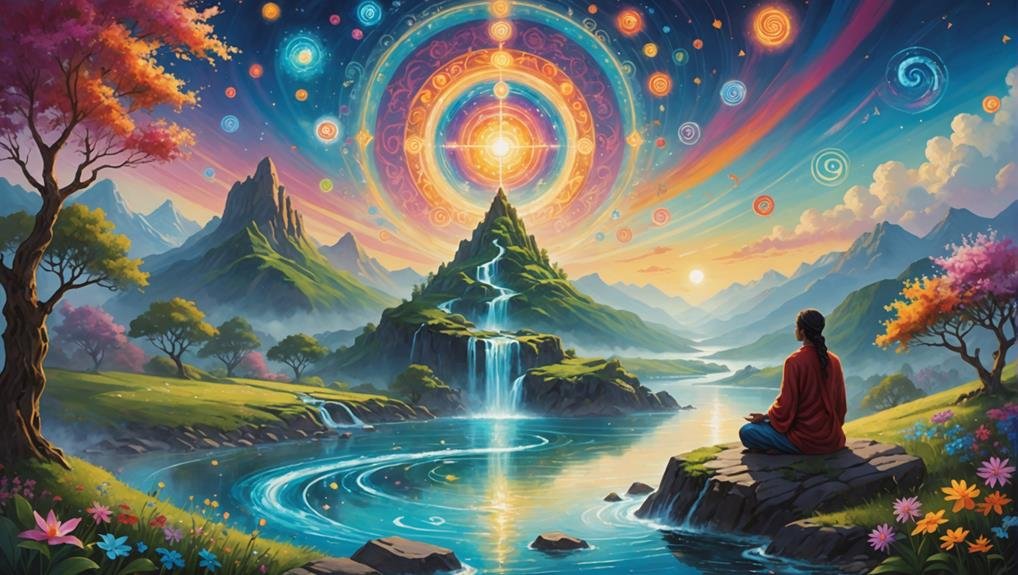
Spiritual art refers to a range of creative expressions that aim to evoke transcendent experiences and encourage introspection. It serves as a bridge between the material and the spiritual, allowing individuals to explore deeper meanings and connections within themselves and the world around them.
Historically, spiritual art has evolved from ancient cave paintings to contemporary installations. This evolution reflects humanity's ongoing quest for meaning and connection across various cultures. Throughout history, spiritual art has engaged individuals in confronting their personal beliefs and emotions, contributing significantly to emotional healing and personal growth.
Moreover, spiritual art employs symbolic representations that articulate shared values and invite communal dialogue. Unique manifestations of spiritual art can be observed across different religions and cultures, such as Hindu mandalas and Indigenous totems.
Engaging with these forms of art illuminates the profound intersections between creativity and spirituality, offering avenues for deeper understanding and reflection on shared human experiences.
Spiritual Insights
- Spiritual art is a creative expression that evokes transcendent experiences, inviting meditation and introspection from its audience.
- It reflects humanity's search for meaning and connection, evolving through diverse cultural beliefs and historical contexts.
- Engaging with spiritual art promotes healing, personal growth, and helps individuals confront inner conflicts and traumas.
- Different cultures express spirituality through unique symbols and artistic traditions, fostering understanding of shared human experiences.
- Participation in spiritual art encourages dialogue between the creator and audience, enhancing appreciation of emotional and spiritual narratives.
Definition of Spiritual Art
Spiritual art is a form of creative expression that aims to evoke and explore transcendent experiences related to the human spirit. This genre transcends mere aesthetics, engaging the viewer in a profound meditative expression that invites contemplation and introspection.
Artists often draw upon personal experiences, cultural narratives, and universal themes to illuminate the complexities of spiritual existence. As highlighted in discussions about the transformative power of spiritual art, it has the potential to foster healing and personal growth.
Through various mediums—painting, sculpture, music, or performance—spiritual art serves as a conduit for transcendental experiences, allowing individuals to confront their own beliefs, emotions, and existential queries. It offers a reflective space where the mundane meets the mystical, fostering a sense of connection not only to the self but also to the collective human experience.
Moreover, spiritual art functions as a dialogue between the artist and the audience, inviting interpretations that can vary widely based on personal backgrounds and beliefs. This dynamic interplay enhances its impact, making it an essential component of cultural and spiritual discourse.
Historical Context and Evolution
Historical Context and Evolution of Spiritual Art: The evolution of spiritual art encapsulates humanity's enduring search for meaning and connection throughout the ages.
The evolution of spiritual art reflects humanity's ongoing quest for meaning and connection throughout history. From ancient cave paintings to contemporary installations, spiritual art has continuously transformed, embodying diverse cultural beliefs and philosophies. During the Renaissance, artists such as Michelangelo and Leonardo da Vinci infused their works with a renewed focus on humanism, intertwining religious themes with an exploration of the human experience. This period marked a pivotal shift, as artists began to emphasize individuality while drawing upon classical influences and incorporating Eastern philosophies, which emphasized interconnectedness and the pursuit of enlightenment.
The table below illustrates the impact of spiritual art across different cultures and eras:
| Cultural Context | Artistic Expression |
|---|---|
| Ancient Civilizations | Ritualistic artifacts |
| Renaissance | Religious masterpieces |
| Eastern Philosophies | Mandalas and Zen gardens |
| Contemporary Spirituality | Installation and performance art |
Through these varied expressions, spiritual art serves as a mirror reflecting societal values, beliefs, and transformations, ultimately fostering a deeper understanding of our shared humanity. The interplay of these influences underscores the evolving nature of spiritual art, revealing its significance across time and culture.
Emotional and Psychological Benefits
Emotional and Psychological Benefits refer to the ways in which art, particularly in spiritual contexts, can promote healing and personal growth. Art has long served as a conduit for exploring profound human emotions and psychological states, particularly in spiritual contexts.
The intricate relationship between spiritual art and emotional healing is evident in various historical movements where artists sought to represent the ineffable aspects of human experience. This pursuit often leads to psychological transformation, as individuals engage with the art on a deeply personal level, confronting their inner conflicts and traumas.
The significance of spiritual art lies not only in its aesthetic value but also in its ability to facilitate personal growth and healing through its transformative power.
For instance, consider the role of religious iconography during the Renaissance, which provided a framework for individuals to process grief, loss, and existential questions through visual representation. Such art not only served as a remedy for emotional distress but also facilitated a communal experience, allowing for shared healing within a broader societal context.
Similarly, contemporary spiritual art practices, such as mindfulness-based creative therapies, underscore the ongoing relevance of artistic expression in promoting psychological well-being.
Spiritual Art in Different Cultures
Spiritual art in different cultures serves as a unique expression of diverse beliefs, traditions, and practices, reflecting the sacred symbols and worldviews of various communities. Frequently, spiritual art manifests uniquely across cultures, acting as a conduit for expressing the sacred symbols that resonate within these communities and reflecting their worldviews and spiritual understandings. Each culture employs distinct motifs and techniques, revealing not only aesthetic preferences but also deeper philosophical underpinnings.
| Culture | Sacred Symbols | Cultural Expressions |
|---|---|---|
| Hinduism | Om, Swastika | Mandalas, Temple Art |
| Buddhism | Lotus, Wheel of Dharma | Thangka, Sand Mandalas |
| Indigenous Tribes | Totems, Dreamcatchers | Ritual Masks, Body Art |
| Christianity | Cross, Fish | Iconography, Mosaics |
| Islam | Calligraphy, Geometric Patterns | Mosque Art, Miniatures |
Through these varied cultural expressions, spiritual art not only serves as a visual representation of belief systems but also fosters communal identity and continuity. Analyzing spiritual art within its historical context reveals its role in reinforcing social norms, preserving traditions, and facilitating spiritual experiences, ultimately shaping individual and collective consciousness. Such art remains a crucial component of cultural heritage, embodying the intricate relationship between spirituality and human expression across different societies.
Ways to Engage With Spiritual Art
Engaging with spiritual art allows individuals to explore and deepen their understanding of diverse belief systems and cultural practices through a transformative experience. This type of art often reflects humanity's spiritual journey, encapsulating universal themes of connection, transcendence, and inner exploration.
One effective way to immerse oneself in this domain is through meditative practices, which can enhance the appreciation of the emotional and spiritual narratives embedded within the artwork. For instance, a viewer may choose to meditate in front of a piece of spiritual art, allowing the imagery and energy to resonate, fostering a connection that transcends mere observation.
Moreover, creative expression itself can serve as a conduit for engagement. By participating in artistic endeavors such as painting, sculpting, or crafting, individuals can channel their own spiritual experiences and beliefs, thereby creating a dialogue between the creator and the creation. This not only solidifies personal understanding but also invites others to interpret these expressions through their unique lenses.
Engaging in the transformative power of spiritual art can lead to deeper insights and connections with one's own spirituality.
Furthermore, attending workshops or exhibitions focused on spiritual art can facilitate discussions about historical contexts and cultural significance, enriching one's perspective. Through these varied methods, engaging with spiritual art becomes a transformative practice, illuminating the intricate relationship between art, spirituality, and cultural identity.
Mystical Questions
Can Anyone Create Spiritual Art, or Is It Reserved for Professionals?
Can anyone create spiritual art, or is it reserved for professionals?
What are some ways that individuals can express their spirituality through art?
How does artistic expression contribute to personal spiritual growth?
Are there specific forms of spiritual art that are more accessible to beginners?
What role do emotions play in the creation of spiritual art?
Can spiritual art take on different meanings for different individuals?
What Materials Are Typically Used in Spiritual Art?
What materials are commonly used in spiritual art?
How do these materials contribute to the overall meaning of the artwork?
In what ways do different cultures utilize specific materials in their spiritual art practices?
What role do natural materials play in conveying spiritual concepts?
How does the choice of medium affect the viewer's experience of spiritual art?
How Do Personal Beliefs Influence Spiritual Art Creation?
How do personal beliefs influence the creation of spiritual art?
In what ways do individual experiences shape an artist's spiritual expression?
How do cultural influences affect the themes present in spiritual art?
What role does the artist's background play in the interpretation of their spiritual artwork?
In what ways can spiritual art resonate with audiences on a personal level?
How do different belief systems manifest in the techniques and mediums used in spiritual art?
Are There Specific Techniques for Creating Impactful Spiritual Art?
What are the key techniques for creating impactful spiritual art?
How can meditative practices enhance an artist's focus and clarity?
What role does intentional artistic expression play in conveying profound themes?
In what ways can spiritual art evoke emotional connections with the audience?
Are there specific mediums or styles that are particularly effective in spiritual art?
How does the artist's personal journey influence the impact of their spiritual art?
How Can Spiritual Art Be Integrated Into Daily Life?
How can spiritual art be integrated into daily life?
What are some simple ways to incorporate spiritual art practices into a busy routine?
How can creating spiritual art enhance one's mindfulness and self-awareness?
What materials or mediums are best suited for expressing spirituality through art?
How does the process of creating spiritual art foster a deeper connection to the universe?
Can engaging with spiritual art lead to personal transformation or healing?
What role does meditation play in the practice of creating spiritual art?
How can one find inspiration for spiritual art in everyday life?


