
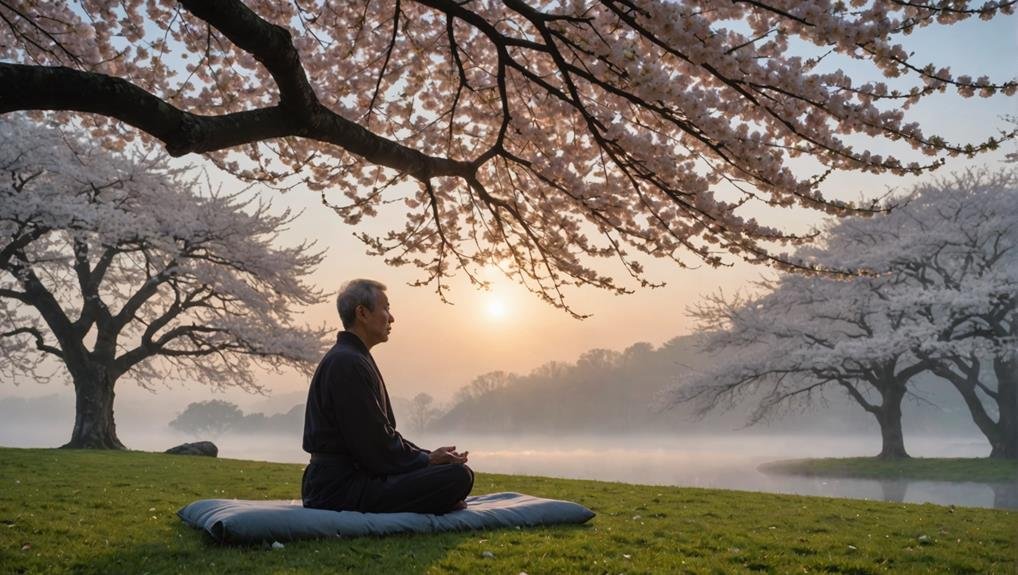
True spirituality today represents a transformative shift that prioritizes personal experiences and ethical considerations over rigid dogma. This contemporary understanding emphasizes the importance of individual journeys toward inner peace and emotional healing, while also recognizing the significance of collective responsibilities within our communities.
In contrast to traditional religions, which often impose structured doctrines, modern spirituality promotes authenticity and encourages individuals to engage with diverse beliefs. This open approach allows for a richer exploration of faith and personal growth, as individuals seek to connect with others in meaningful ways.
Historical practices, such as mindfulness and fostering connections with nature, play a vital role in enhancing this personal development.
As individuals navigate this fluid spiritual landscape, they discover spirituality as a powerful means to build emotional bonds and cultivate compassion. This journey not only enriches personal experiences but also paves the way for deeper connections within communities, suggesting a promising path towards a more interconnected and compassionate society.
Spiritual Insights
- True spirituality emphasizes personal experiences and transformative practices over traditional dogma, fostering individual exploration and growth.
- It promotes authentic connections and community engagement, enhancing emotional bonds and collective support among spiritual seekers.
- Mindfulness and presence are integral, encouraging conscious awareness through practices like meditation, breathing, and reflective journaling.
- Spirituality intertwines with nature, highlighting the significance of eco-spirituality and the healing power of natural environments for personal well-being.
- The digital age reshapes spirituality, offering virtual rituals and online communities that foster connection and shared experiences despite physical distances.
The Shift in Spiritual Perspectives
The shift in spiritual perspectives signifies a move towards valuing personal experience and transformative practices over traditional dogma in contemporary spirituality. In recent years, the landscape of spirituality has undergone a significant transformation, reflecting a shift in perspectives that prioritizes personal experience over traditional doctrines. This evolution is deeply influenced by cultural dynamics, where diverse traditions intermingle, giving rise to a rich tapestry of beliefs that resonate on individual and collective levels.
The historical evolution of spirituality has often been marked by rigid structures; however, contemporary spiritual communities now emphasize the importance of personal beliefs and transformative experiences that transcend dogma, embracing spirituality for personal growth.
As individuals grapple with existential questions, they seek answers that integrate ethical considerations into their spiritual practices, fostering a collective consciousness that transcends geographical boundaries. Global perspectives on spirituality are increasingly informed by interconnectivity, facilitating dialogues that challenge conventional paradigms and encourage inclusivity.
This shift not only reflects a broader acceptance of diverse traditions but also highlights the necessity of adaptability in addressing the complexities of modern life. Consequently, spirituality becomes a fluid, evolving concept, inviting individuals to forge their paths while engaging with the rich heritage of human thought, ultimately contributing to a more profound understanding of the self and the universe.
This dynamic interplay between tradition and personal exploration redefines the essence of spirituality today.
Defining Spirituality in Modern Times
Spirituality in modern times is a multifaceted concept shaped by individual experiences and cultural contexts, emphasizing personal growth and communal responsibility. While many seek a universal definition of spirituality, its meaning today is often influenced by personal journeys and societal influences. Spirituality frequently intertwines with notions of inner peace and emotional healing, reflecting a collective yearning for holistic wellness amidst life's complexities.
Individuals engage in existential inquiry, probing the depths of their beliefs and values, which often leads to encounters with transcendental experiences that foster a sense of cosmic consciousness. This pursuit of understanding is increasingly recognized as a pathway for embracing spirituality for personal growth and self-discovery.
Moreover, spiritual authenticity has emerged as a critical theme; individuals increasingly prioritize ethical living and universal love as integral components of their spiritual journeys. This shift underscores an understanding that spirituality is not merely an abstract concept but a practical framework guiding actions and interactions.
Intuitive guidance plays an essential role in traversing this landscape, allowing individuals to align their personal truths with broader societal values. In this context, spirituality becomes a dynamic interplay of personal exploration and communal responsibility, encouraging individuals to seek connections that transcend the self.
Consequently, the contemporary understanding of spirituality is not static but rather a fluid construct, evolving in response to the diverse tapestry of human experience, cultural narratives, and social imperatives.
Personal Growth and Self-Discovery
Personal Growth and Self-Discovery in Contemporary Spirituality: The journey of personal growth and self-discovery is essential to modern spirituality, emphasizing the quest for a deeper understanding of oneself and one's place in the world. This inner journey often begins with self-reflection, fostering self-awareness that illuminates the facets of one's identity, beliefs, and aspirations.
In an age marked by rapid change and existential questioning, individuals seek emotional healing as a means to navigate the complexities of life, ultimately guiding them toward personal transformation. As individuals explore their spiritual paths, they often discover the significance of spirituality in shaping their journeys and enhancing their understanding of themselves.
Authentic living emerges as a goal wherein individuals align their actions with their values and life purpose, forging a path that is both meaningful and fulfilling. This process necessitates a commitment to holistic growth, integrating mental, emotional, and spiritual dimensions, thereby fostering a more harmonious existence.
Historical contexts reveal that spiritual practices, such as meditation and mindfulness, have been employed for centuries to facilitate such journeys, emphasizing the timelessness of these pursuits.
As society increasingly values individual experiences over collective norms, the significance of personal growth and self-discovery becomes paramount, challenging us to probe deep into our own narratives, thereby enriching our understanding of what it means to live a truly spiritual life today.
Connection With Others
Connection With Others: Authentic connections with others are vital for our spiritual well-being and contribute significantly to personal and communal growth.
Amidst the often isolating nature of modern life, connection with others emerges as an essential component of spiritual well-being. The significance of authentic connections cannot be overstated, as they foster emotional bonds that contribute to individual and communal growth.
Engaging in transformative spiritual guidance can enhance these connections, deepening our understanding of ourselves and others. In an era where collective consciousness often feels fragmented, shared experiences serve as a unifying force, enabling individuals to navigate the complexities of existence together.
Community support plays a significant role in this dynamic, providing a framework within which empathy cultivation thrives. By engaging with others and sharing vulnerabilities, individuals can foster relational harmony, leading to deeper interpersonal growth.
Historically, societies have thrived on the interconnectedness of their members, illustrating how the fabric of spirituality is woven through relationships.
Moreover, the implications of fostering these connections extend beyond personal fulfillment; they influence broader social structures and contribute to a more compassionate world.
As we reflect on our spiritual journeys, it becomes evident that nurturing connections with others is not merely an emotional endeavor; it is a critical practice that enriches our lives and enhances our understanding of the human experience, urging us toward a more holistic and interconnected existence.
Spirituality vs. Religion
Spirituality and religion, while both seeking inner peace and addressing existential questions, diverge significantly in their approaches and belief systems. Authentic connections with others can often lead to a deeper exploration of spirituality, prompting individuals to question the distinctions between the two. Spirituality emphasizes personal experiences and transcendent moments, fostering a direct divine connection that is often independent of formal religious traditions. In contrast, religion typically encompasses organized faith practices, sacred rituals, and structured moral values grounded in historical contexts.
To illustrate these differences, consider the following table:
| Aspect | Spirituality | Religion |
|---|---|---|
| Focus | Personal experience | Community and tradition |
| Structure | Fluid and individual | Organized and hierarchical |
| Belief Systems | Varied and pluralistic | Defined and often dogmatic |
| Community Engagement | Spiritual communities | Religious congregations |
This table encapsulates how spirituality often embraces a broader spectrum of belief systems, inviting diverse perspectives, whereas religion tends to adhere to established traditions, shaping collective moral values. Understanding these nuanced differences can facilitate richer dialogues and promote a more inclusive appreciation of both spiritual and religious paths.
Mindfulness and Presence
Mindfulness and Presence: Cultivating a Deeper Connection to Self and World
Mindfulness and presence are essential practices that enable individuals to foster a profound connection to themselves and their surroundings. While many individuals seek solace in spiritual practices, the practice of mindful breathing anchors individuals in the present moment, fostering conscious awareness that transcends the distractions of daily life.
By integrating spiritual principles into daily routines, as seen in embracing spiritual growth, one can further enhance their mindfulness practice. Engaging in intentional living cultivates emotional resilience, enabling individuals to navigate life's challenges with greater ease and inner peace.
Furthermore, the art of compassionate listening promotes deeper interpersonal connections, allowing individuals to genuinely engage with others and understand their experiences. Reflective journaling acts as a powerful tool for self-exploration, encouraging individuals to document their thoughts and feelings, thereby enhancing self-awareness and personal growth.
A gratitude practice, often overlooked, can transform perspectives by highlighting the positive aspects of life, reinforcing a sense of abundance rather than scarcity.
Lastly, sensory engagement—whether through nature, art, or music—can ground practitioners in their immediate environment, deepening their experience of the present. Collectively, these elements of mindfulness and presence not only enrich personal spirituality but also foster a compassionate society, where collective awareness leads to shared understanding and connection.
Nature and Spiritual Connection
Nature and Spiritual Connection: Exploring the Interrelationship Between the Natural World and Personal Spiritual Growth
The profound connection between nature and spirituality serves as a vital aspect of personal growth and well-being. As individuals increasingly seek solace and meaning in their lives, this relationship fosters an awareness of nature's wisdom, encouraging a deep appreciation for sacred spaces that act as retreats for reflection and healing.
Engaging with the natural world through practices such as outdoor meditation or wilderness therapy allows for a richer understanding of natural rhythms and the intrinsic balance that sustains life. Furthermore, nurturing spiritual health is essential for holistic personal development, as it intertwines with our connection to the Earth and its ecosystems.
These practices not only promote inner peace but also cultivate a strong connection to wildlife, reinforcing our role as stewards of the environment. In an age where environmental awareness is paramount, eco-spirituality invites individuals to recognize the spiritual significance of the landscapes that surround them.
Healing landscapes—those rich in biodiversity and tranquility—offer transformative experiences that facilitate both personal and collective healing.
Ultimately, integrating nature into spiritual practices fosters a holistic approach to well-being, emphasizing the importance of nurturing both the self and the Earth. Through this perspective, spirituality transcends traditional boundaries, inviting a profound re-examination of our interconnectedness with the natural world.
Technology's Role in Spirituality
The integration of technology into spirituality signifies a transformative shift in how individuals connect with their spiritual practices in today's digital age. The integration of technology into spiritual practices has emerged as a significant trend, reshaping how individuals engage with their spirituality in contemporary society.
Digital mindfulness, a practice that emphasizes awareness through technological means, is becoming increasingly prevalent. This evolution aligns with the growing recognition of holistic development, promoting well-being through both academic and spiritual avenues.
Virtual rituals, facilitated through video conferencing platforms, allow practitioners to maintain communal experiences despite physical distances, fostering a sense of connection previously reserved for in-person gatherings. Online communities centered around shared beliefs have flourished, providing spaces for tech spirituality to evolve and thrive.
Moreover, app meditation offers accessible pathways to mindfulness, catering to diverse lifestyles and preferences while encouraging regular practice. Social media spirituality enables users to share their journeys and insights, transforming platforms into venues for collective reflection.
The emergence of augmented reality experiences has further expanded spiritual exploration, allowing individuals to immerse themselves in guided meditations or sacred spaces from the comfort of home.
However, this intersection of technology and spirituality raises questions about authenticity and the potential need for a digital detox. The challenge lies in balancing the benefits of technological engagement with the inherent value of traditional spiritual practices, ensuring that individuals remain connected to their inner selves amidst the distractions of the digital age.
Practices for Modern Spirituality
In the realm of modern spirituality, technology has influenced the evolution of practices that blend traditional wisdom with contemporary innovations, allowing individuals to connect more deeply with themselves and their communities.
| Practice | Description | Benefits |
|---|---|---|
| Meditative Techniques | Methods such as mindfulness and guided meditation | Enhances focus and emotional well-being |
| Conscious Breathing | Breathwork techniques promoting awareness | Reduces stress and increases present-moment clarity |
| Energy Healing | Modalities like Reiki and chakra balancing | Promotes holistic health and emotional release |
| Sacred Rituals | Ceremonial practices that instill meaning | Fosters connection to heritage and community |
Journaling practices serve as a powerful tool for self-reflection, enabling intuitive guidance to emerge while facilitating creative expression. Additionally, being part of a spiritual community provides individuals with support and connection, reinforcing shared values and collective growth. By integrating these diverse practices, modern spirituality invites individuals to explore their inner landscapes, cultivate resilience, and embrace their authentic selves amidst a rapidly changing world.
The Future of Spiritual Exploration
The future of spiritual exploration is poised to intertwine personal growth with collective consciousness through communal experiences and rituals. Emerging trends in this realm indicate a transformative journey that embraces both individual and group dynamics. As society evolves, spirituality is likely to blend ancient traditions with modern practices, fostering deeper connections among individuals and communities.
Spiritual retreats, once regarded as solitary experiences, are increasingly becoming communal endeavors, where participants engage in shared practices that enhance their spiritual journeys. These retreats provide a sanctuary for personal reflection while simultaneously promoting group cohesion, acknowledging the power of collective energy in spiritual development. This sense of unity aligns with the mission of centers like Agape Spiritual Center, which emphasizes love and communal support in spiritual growth, creating a space for individuals to thrive within a nurturing community.
Moreover, community rituals are gaining prominence, serving as a bridge between personal spirituality and social responsibility. These rituals not only honor individual beliefs but also cultivate a sense of belonging and shared purpose, reinforcing the interconnectedness of all beings.
Mystical Questions
How Can I Start My Own Spiritual Journey?
What are the first steps I can take to start my own spiritual journey?
- What personal practices can I adopt that resonate with my beliefs?
- How can I incorporate mindful rituals into my daily life?
- Where can I find spiritual mentors or guides to help me on my path?
- What methods can I use for inner exploration to deepen my self-understanding?
What Role Does Community Play in Spirituality?
What role does community play in enhancing individual spirituality?
How do group meditation sessions contribute to spiritual growth?
In what ways does community support influence personal beliefs and practices?
What are the benefits of collective spiritual practices for individuals?
How does fostering connections within a community deepen spiritual journeys?
What impact does mutual understanding within a community have on spiritual development?
Can Spirituality Exist Without Religion?
Can spirituality truly exist without the framework of organized religion?
What are some examples of spiritual practices that do not involve religious beliefs?
How does meditation contribute to an individual's spiritual journey outside of religious contexts?
In what ways can mindfulness techniques enhance self-discovery and personal growth?
What role does inner peace play in a person's spiritual development without religious influence?
How can individuals explore existential questions through spirituality without adhering to a specific religion?
How Do I Know if I'm Spiritually Awakened?
What are the signs that indicate I may be spiritually awakened?
- How can enhanced emotional healing be a sign of spiritual awakening?
- In what ways does inner peace reflect my spiritual journey?
- What role does personal growth play in recognizing spiritual awakening?
- How do mindfulness practices contribute to self-discovery during this process?
- What is the significance of intuitive guidance in affirming my spiritual path?
- How can energy alignment help me understand my spiritual awakening better?
What Are Common Misconceptions About Spirituality Today?
What are some common misconceptions about spirituality today?
- How does spiritual bypassing lead people to mistakenly believe they have achieved enlightenment?
- In what ways does materialism conflict with the pursuit of authentic spiritual experiences?
- How can cultural appropriation impact the integrity of spiritual practices?
- Why do people resist dogma, and how does this affect their interpretation of personal beliefs?
- How has the trend of mindfulness simplified deeper spiritual experiences into superficial practices?


