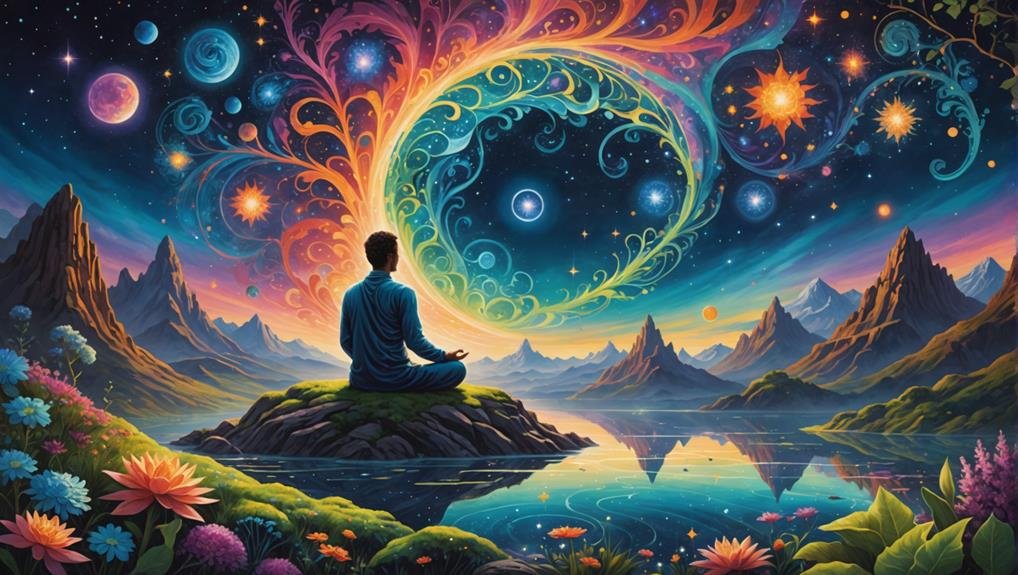
DMT, or N,N-Dimethyltryptamine, is a powerful psychedelic compound that has garnered significant attention for its spiritual implications, particularly within indigenous shamanic practices.
This substance is often extracted from plants that contain DMT, such as those used in ayahuasca brews, and is utilized in rituals aimed at healing and transformation.
In many tribal cultures, DMT is viewed as a bridge to the cosmos, facilitating experiences that promote feelings of unity and unconditional love.
Users of DMT commonly recount transformative mystical experiences that alter their self-perception and enhance their emotional understanding. Such experiences often lead to personal growth and emotional healing, indicating the profound impact of DMT on individuals' lives.
However, the use of DMT also raises important ethical considerations, particularly regarding cultural respect and appropriation.
As interest in DMT spreads beyond its traditional contexts, it becomes essential to acknowledge and reflect on its historical roots and the implications of its contemporary use.
This understanding opens avenues for deeper exploration into the spiritual significance of DMT and its role in personal and collective healing.
Spiritual Insights
- DMT facilitates spiritual exploration, allowing users to connect with the cosmos and experience profound interconnectedness and unity with all life.
- Indigenous cultures utilize DMT in rituals to confront traumas and promote communal healing, reinforcing the importance of shared spiritual experiences.
- The mystical experiences induced by DMT enhance consciousness, often leading to personal transformation and renewed perspectives on self and existence.
- DMT's role in shamanism emphasizes its significance as a tool for divine interaction and spiritual guidance in healing practices.
- Ethical considerations surrounding DMT highlight the need to respect its cultural origins and ensure responsible engagement in spiritual practices.
Understanding DMT and Its Origins
Understanding DMT and Its Origins
Dimethyltryptamine (DMT) is a powerful psychedelic compound with roots in both botanical sources and human biology, playing a significant role in various cultural and therapeutic contexts.
DMT's origins can be traced back to a variety of plant species, particularly those in the genera Psychotria and Mimosa, which have been integral to indigenous rituals for centuries. Additionally, DMT is produced naturally in the human body, specifically within the pineal gland, although its precise physiological functions are still under investigation.
The chemistry of DMT is intriguing, as its structure closely resembles that of neurotransmitters like serotonin, potentially elucidating its profound effects on consciousness. When consumed, DMT can produce vivid visual hallucinations, altered perceptions of time, and deep feelings of interconnectedness, often described as mystical experiences.
This ability to induce transformative states prompts exploration into its potential therapeutic uses, especially in the treatment of mental health disorders.
Moreover, delving into DMT's origins and chemical properties encourages a thoughtful examination of its historical utilization and the socio-cultural implications surrounding its legality and accessibility.
This is particularly relevant in today's society, which often views psychedelic substances through a lens of stigma, despite their historical significance and possible benefits.
The Role of DMT in Shamanism
DMT, a powerful psychoactive compound, plays a crucial role in shamanism by serving as a medium for spiritual exploration and healing within various indigenous cultures.
In various indigenous cultures, DMT has been integral to shamanic practices, where it is often utilized as a tool for spiritual exploration and healing. This potent compound, typically derived from plant medicine, plays a pivotal role in shamanic rituals, allowing practitioners to facilitate altered consciousness and commence on profound spiritual journeys.
Through the lens of sacred traditions, DMT is employed in healing ceremonies, enabling individuals to confront personal and communal traumas, often resulting in transformative visionary experiences.
The following points highlight the significance of DMT in shamanism:
- Shamanic rituals often incorporate DMT to invoke deeper connections with spiritual domains.
- Indigenous practices emphasize the communal aspect of healing, fostering unity and support.
- DMT facilitates spiritual journeys that provide insights into the self and the universe.
- Healing ceremonies utilizing DMT often lead to emotional catharsis and psychological clarity.
- Visionary experiences enable participants to access wisdom beyond ordinary perception.
Understanding the role of DMT in these contexts not only reveals its importance in indigenous cultures but also prompts reflection on the broader implications of such practices in contemporary society.
DMT and Mystical Experiences
DMT and Mystical Experiences
DMT is a powerful psychoactive substance known for inducing mystical experiences that offer profound insights into consciousness and existence. Users frequently report entering mystical domains characterized by vivid imagery, interconnectedness, and a sense of unity that transcends ordinary perception. These experiences often foster a form of transcendental consciousness, wherein individuals feel an overwhelming connection to the universe, nature, and the collective human experience.
This sense of interconnectedness is further illuminated by the spiritual significance of DMT, which highlights its role in enhancing consciousness and facilitating personal transformation.
Historically, the exploration of DMT and its mystical properties has roots in various indigenous cultures, where the substance is often linked to spiritual rituals and shamanic practices. Such contexts highlight the social implications of DMT use, as they illustrate a longstanding human pursuit of enlightenment and self-discovery.
Moreover, contemporary research into DMT has begun to reveal its potential for facilitating profound psychological and existential insights, suggesting that such mystical experiences might hold value in therapeutic settings. By examining these phenomena, we can better understand the complex relationship between psychoactive substances and spirituality, revealing how DMT allows individuals to navigate the intricacies of consciousness and the mysteries of existence.
Ultimately, these experiences challenge our perceptions of reality and invite a reevaluation of the nature of human consciousness itself.
Personal Transformation Through DMT
Personal Transformation Through DMT: A Journey of Self-Discovery and Growth
Individuals often embark on a transformative journey through the profound experiences facilitated by DMT, a potent psychedelic with a rich historical context. This substance has been utilized for centuries across various cultures, often serving as a catalyst for self-discovery and subconscious exploration.
Participants frequently report profound insights and emotional breakthroughs that challenge their perceptions of reality, fostering significant personal growth. Many users describe experiencing enhanced consciousness and mystical encounters during their journeys, contributing to a deeper understanding of existence and the self, underscoring the spiritual significance of DMT.
The transformative potential of DMT can be understood through several key aspects:
- Altered Perception: Users often experience a shift in their understanding of self and existence.
- Emotional Release: DMT can facilitate the cathartic release of suppressed emotions, allowing for healing.
- Connection to the Subconscious: The substance encourages deep introspection, leading to valuable insights from the subconscious.
- Perspective Shift: Users frequently return with a renewed outlook on life, relationships, and purpose.
- Integration Process: The journey does not end with the experience; integrating insights into daily life is essential for lasting transformation.
As such, the exploration of personal identity through DMT not only aids in individual growth but also reflects broader societal implications surrounding mental health and consciousness, marking it as a significant phenomenon in both historical and contemporary contexts.
DMT's Connection to the Divine
DMT, known as the "spirit molecule," is thought to facilitate profound connections to the divine, with users often reporting transcendent experiences that evoke a sense of encountering a higher power. Historically, diverse cultures, including indigenous tribes in the Amazon, have incorporated DMT-containing plants into spiritual rituals, believing these substances enable divine interactions.
Participants frequently describe entering states of transcendental awareness, where they experience unity with the cosmos, unconditional love, and insights that challenge conventional understanding of existence.
The implications of such experiences extend beyond individual transformation; they confront established views on consciousness and spirituality. Many users recount vivid imagery, profound messages, and encounters with entities perceived as divine, suggesting that DMT may act as a conduit between the material and spiritual realms.
This intersection prompts essential inquiries into the nature of divinity and the potential of psychedelics to deepen spiritual comprehension.
As society revisits the interest in psychedelics for therapeutic applications, investigating DMT's connection to the divine could transform modern conversations surrounding spirituality, consciousness, and the human experience, encouraging a reevaluation of enduring beliefs.
Scientific Perspectives on DMT
The exploration of DMT's spiritual significance encompasses an investigation into its biochemical and neurophysiological effects on the brain and consciousness. As a potent psychedelic compound, DMT has garnered interest not only for its potential to induce mystical experiences but also for its profound neuroscience implications.
Research indicates that DMT interacts with serotonin receptors, influencing neural pathways associated with perception and consciousness, leading to alterations in sensory experience and self-awareness.
Understanding DMT's effects can also illuminate its therapeutic applications, particularly in treating mental health disorders such as depression and PTSD. Preliminary studies suggest that the compound may facilitate emotional processing and promote psychological healing, offering new avenues for intervention in traditional therapeutic settings.
Key considerations in this scientific discourse include:
- The role of DMT in the brain's default mode network (DMN)
- Its potential to evoke ego dissolution and altered states of consciousness
- Historical contexts of DMT use in indigenous cultures
- The ethical implications surrounding its therapeutic applications
- Future research directions for understanding long-term effects and safety
As researchers continue to dissect the complexities of DMT, the intersection of science and spirituality remains a fertile ground for exploration and understanding.
Comparing DMT and Other Psychedelics
Comparing DMT and Other Psychedelics involves examining the distinct experiences and effects produced by substances like DMT, psilocybin, LSD, and mescaline, each shaped by their unique chemical properties.
Four primary psychedelics—DMT, psilocybin, LSD, and mescaline—offer distinct experiences that are shaped by their unique chemical structures and mechanisms of action. DMT comparisons with other psychedelics reveal significant differences in the nature and duration of their psychedelic effects. For instance, while DMT induces a rapid onset of intense visual and auditory hallucinations, often described as mystical or otherworldly, psilocybin provides a more gradual journey with an emphasis on emotional introspection and interconnectedness.
LSD, known for its long-lasting effects, can lead to altered perceptions of time and space, whereas mescaline tends to evoke a deep appreciation for nature and beauty.
Historically, these substances have been used in various cultural and religious contexts, influencing their respective societal implications. DMT, often associated with shamanic practices in South America, contrasts sharply with the recreational use of LSD during the counterculture movement of the 1960s. Such historical usages not only shape our understanding of the drugs but also highlight the evolving perceptions of psychedelics in contemporary society.
Ultimately, a thorough evaluation of these substances encourages a nuanced exploration of their potential for personal and collective transformation, as well as their implications for mental health and spirituality.
Integration of DMT Experiences
Integration of DMT experiences refers to the essential process by which individuals incorporate insights gained from their DMT journeys into their everyday lives, significantly impacting their psychological and spiritual well-being.
Following profound DMT experiences, participants often encounter challenges in reconciling their insights with daily life, necessitating effective integration techniques. These techniques foster emotional healing and facilitate spiritual growth by allowing individuals to process their experiences thoughtfully.
As many people report profound enhanced consciousness during their DMT journeys, proper integration becomes essential to channel these heightened states into transformative life changes.
Key integration strategies include:
- Mindfulness practices: Cultivating present-moment awareness helps individuals remain grounded.
- Post-experience journaling: Documenting insights can clarify thoughts and emotions, enhancing personal reflections.
- Creative expression: Engaging in art, music, or writing can serve as a therapeutic outlet for complex feelings.
- Community support: Sharing experiences in groups promotes connection and understanding, reducing feelings of isolation.
- Holistic approaches: Incorporating bodywork or somatic therapies can aid in processing emotional trauma.
These integration efforts may reveal therapeutic applications, ultimately allowing individuals to navigate their spiritual journeys more effectively.
Cultural Views on DMT
Cultural views on DMT highlight its varied interpretations and significance, particularly contrasting indigenous reverence with contemporary Western perceptions. DMT, or dimethyltryptamine, has garnered diverse cultural interpretations and significance across various societies.
Particularly within indigenous practices, DMT is revered as a sacred substance, often utilized in traditional ceremonies to facilitate spiritual healing and connect participants to the divine. For instance, the Amazonian tribes employ ayahuasca, a brew containing DMT, as a conduit for visionary experiences that are believed to foster communal bonds and personal introspection. This use underscores the cultural symbolism attributed to DMT, where altered states of consciousness serve as a bridge to ancestral knowledge and spiritual dimensions.
In contrast, contemporary Western perceptions of DMT are often framed within the context of psychedelic exploration, emphasizing individual experiences over communal rituals. This divergence highlights a significant cultural shift, wherein the spiritual dimensions inherent in indigenous practices are frequently overlooked or commodified, reducing DMT to a mere tool for self-exploration.
Such a phenomenon raises critical questions regarding cultural appropriation and the ethical implications of utilizing a substance deeply embedded in indigenous identity. Ultimately, an analytical examination of these cultural views reveals profound insights into the interplay between spirituality, tradition, and modernity, necessitating a respectful dialogue surrounding the use of DMT in various contexts.
Ethical Considerations in DMT Use
Ethical Considerations in DMT Use: Navigating the ethical landscape of DMT use involves understanding its cultural roots and the consequences of its appropriation in various contexts.
Maneuvering the ethical landscape surrounding DMT use requires a critical examination of its cultural origins and the implications of its appropriation in various contexts. The intersection of DMT's traditional use in indigenous ceremonies and its commercialization raises pressing ethical concerns.
Informed consent becomes paramount, particularly when individuals may not fully grasp the health risks associated with its use, including potential addiction or psychological distress. Responsible use extends beyond personal experience; it encompasses the broader community impact and the importance of ethical sourcing, guaranteeing that the substances are obtained without exploiting vulnerable populations.
Additionally, the legal implications of DMT use must be navigated thoughtfully, as varying laws affect accessibility and usage rights. In therapeutic settings, where DMT is sometimes employed for healing, personal accountability is essential to mitigate risks and guarantee that participants are adequately prepared for their journeys.
- Respect cultural origins
- Prioritize informed consent
- Acknowledge health risks
- Guarantee ethical sourcing
- Foster responsible use
Mystical Questions
Can DMT Be Safely Used Without a Guide or Facilitator?
Can DMT be safely used without a guide or facilitator? What are the potential risks associated with using DMT alone? How can personal preparation and safe settings reduce psychological distress during a DMT experience? Why is it advisable to seek experienced support when using DMT? What are the benefits of having a guide or facilitator during a DMT experience?
What Are the Potential Long-Term Effects of DMT Use?
What are the potential long-term effects of DMT use on mental health?
How might DMT experiences shape an individual's worldview or beliefs over time?
Can frequent DMT use lead to changes in cognitive functioning or memory?
What role do the spiritual insights gained from DMT experiences play in a person's daily life after use?
Are there any documented cases of negative long-term effects associated with DMT use?
How does DMT compare to other psychedelics in terms of long-term psychological effects?
What factors may influence the long-term outcomes of DMT use in different individuals?
Is DMT Addictive or Habit-Forming?
Is DMT addictive or habit-forming?
What are the effects of DMT on the brain?
How does DMT tolerance develop with repeated use?
What distinguishes DMT from traditional addictive substances?
Are there any potential risks or side effects associated with DMT use?
How do withdrawal symptoms compare between DMT and other drugs?
What are the legal implications of DMT use in various countries?
How Does Diet Influence DMT Experiences?
How does diet influence the intensity and quality of DMT experiences?
What specific dietary restrictions might enhance the effects of DMT?
How do plant-based diets impact the metabolic response during DMT sessions?
Are there particular foods that should be avoided before a DMT experience?
Can fasting or detox diets alter the perception of DMT effects?
How does the timing of meals in relation to DMT consumption affect the experience?
Can DMT Experiences Lead to Psychological Issues?
Can DMT experiences lead to psychological issues?
What are some common psychological effects reported after using DMT?
How does the lack of proper integration contribute to potential mental health challenges?
What role does the setting play in the psychological outcomes of DMT experiences?
Are there specific populations more at risk for psychological issues after DMT use?
How can individuals ensure a safe and beneficial DMT experience?


