
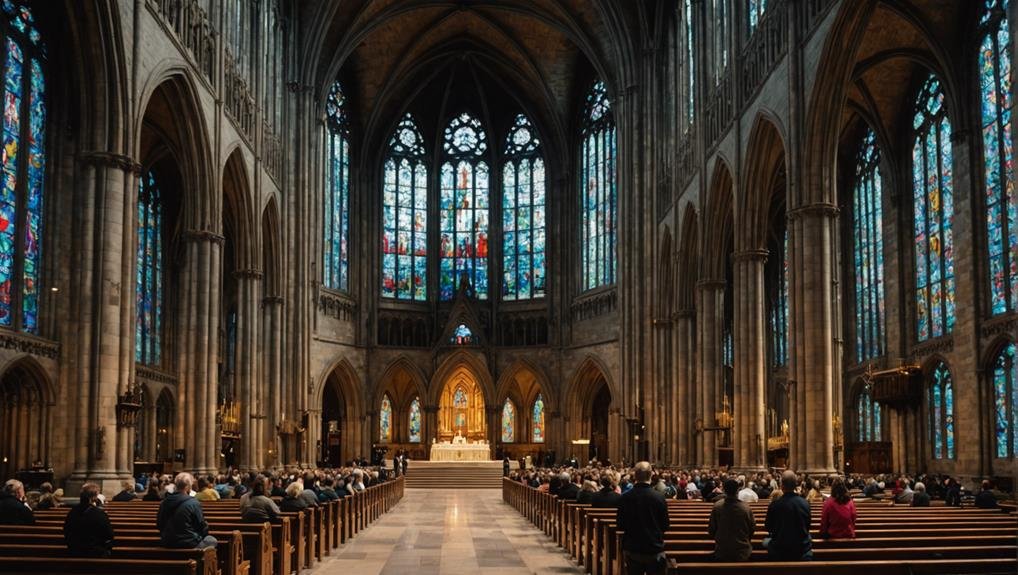
Religion and spirituality are two concepts that, while often conflated, reveal distinct differences in their approaches to existence.
Religion typically refers to structured belief systems that include defined rituals, communal practices, and adherence to specific doctrines. It provides a framework for understanding the divine and often emphasizes collective worship and shared values among its followers.
On the other hand, spirituality prioritizes individual exploration and personal experience. It allows for a diverse range of interpretations of the divine and encourages a more personal relationship with the transcendent. This focus on personal growth often fosters autonomy and self-discovery, contrasting with the potentially constraining nature of organized religious frameworks.
Historically, significant figures such as Buddha and Jesus have embodied spiritual ideals, ultimately influencing the formation of organized religions.
As society moves toward more personalized beliefs, a deeper understanding of the distinctions between religion and spirituality becomes increasingly important. This differentiation highlights the complexities inherent in both paths and invites further exploration into their implications for individuals and communities alike.
Spiritual Insights
- Structure vs. Flexibility: Religion is a structured belief system with organized practices, while spirituality emphasizes individual exploration and personal interpretation.
- Authority Sources: Religion often relies on external authority figures, whereas spirituality promotes internal authority and personal understanding of beliefs.
- Community Dynamics: Religious communities have established hierarchies, while spiritual communities are more fluid and adaptable, fostering diverse connections.
- Mental Health Impact: Religion may induce anxiety and conformity pressures, while spirituality enhances self-compassion and emotional resilience, benefiting mental well-being.
- Personal Growth Focus: Spirituality emphasizes self-discovery and personal relationships with the divine, contrasting with religion's adherence to specific doctrines and rituals.
Definitions of Religion and Spirituality
Distinctions Between Spirituality and Religion
Understanding the fundamental distinctions between spirituality and religion is essential in traversing the complexities of belief systems. Spirituality is often viewed as a personal journey toward self-discovery and connection to the divine, while religion is defined as a structured belief system characterized by organized practices, rituals, and ethical codes, often centered around the worship of a deity or deities.
This framework of religion typically entails adherence to specific doctrines, demanding belief and obedience from its followers. In contrast, spirituality emphasizes personal experiences and individual connections to the divine, prioritizing inner growth and self-discovery over conformity to external regulations.
Many individuals find that spirituality can be more adaptable and inclusive, allowing for diverse interpretations and practices that resonate with their unique beliefs and experiences. A critical distinction arises in the approach each system advocates: while religion often confines spirituality within the bounds of established teachings and communal rituals, spirituality encourages exploration and personal interpretation, thereby fostering a more expansive understanding of the divine.
This divergence is particularly evident in contemporary society, where an increasing number of individuals identify as "spiritual but not religious," reflecting a generational shift that values personal belief systems over traditional affiliations.
Ultimately, while spirituality encompasses a broader spectrum of beliefs and practices, religion often limits this exploration, highlighting the need for a nuanced understanding of both concepts in their historical and social contexts.
Core Characteristics of Each
Core Characteristics of Religion and Spirituality
The core characteristics of religion and spirituality illustrate their fundamental differences in belief systems and practices. Religion is characterized by structured doctrines and external rituals, while spirituality emphasizes personal experiences and internal reflections. This distinction between religion and spirituality is crucial as it shapes how individuals connect with the divine and find meaning in their lives, often leading to varied interpretations of spiritual fulfillment and community involvement. For many, spiritual experiences transcend the confines of traditional religion, highlighting the personal nature of spirituality.
Key characteristics include:
- Structured vs. Fluid: Religion typically adheres to fixed doctrines, whereas spirituality embraces adaptability and personal growth, underscoring the fluid nature of spirituality.
- Community vs. Individuality: Organized religion often emphasizes communal identity, while spirituality promotes personal exploration and a unique understanding of the divine, reinforcing the individualistic essence of spirituality.
- Fear vs. Love: The religious relationship with the divine may be governed by fear of judgment, contrasting with spirituality, which emphasizes love, compassion, and self-acceptance, showcasing the nurturing aspect of spirituality.
These distinctions not only reflect philosophical ideas but also have social implications, as spirituality invites a broader dialogue about the human experience.
Each path offers unique spiritual elements, allowing individuals to navigate their beliefs through established religious frameworks or personal journeys of self-discovery, reinforcing the importance of understanding the core characteristics of both religion and spirituality.
Belief Systems and Personal Experience
Belief Systems and Personal Experience
Belief systems are essential frameworks that influence how individuals interpret their existence and experiences in the world. These belief systems, particularly in religious contexts, often provide followers with established doctrines and teachings, which can serve as guides to understanding life's complexities. However, this adherence to rigid belief systems can sometimes restrict personal experience, as individuals may feel pressured to align with communal beliefs instead of pursuing their unique spiritual paths.
The unique beliefs inherent in various belief systems significantly impact one's personal journey, highlighting the tension between collective adherence and individual exploration.
In contrast, the concept of spirituality emphasizes personal experience as the foundation of belief. Within this framework, individuals are encouraged to cultivate their own spiritual connections, often through practices like meditation and self-reflection, which promote a deeper understanding of both themselves and the universe. This focus on personal experience allows for a more individualized interpretation of belief systems, enabling adherents to adapt teachings in ways that resonate with their personal truths.
While belief systems rooted in religion provide historical context and teachings from notable figures, spirituality emphasizes the importance of personal experience and interpretation. This distinction empowers individuals in their spiritual practices, allowing them to explore their beliefs without the fear of judgment that can be prevalent in many religious settings.
Ultimately, the contrast between structured belief systems and the emphasis on personal experience illustrates the varied paths individuals may pursue in their quest for meaning, underscoring the broader implications for personal growth and existential exploration.
Community and Social Aspects
Community and Social Aspects
Community significantly influences the experiences of individuals engaged in religious practices and spirituality. The role of community in religion contrasts sharply with the individualistic nature of spirituality, leading to different dynamics of belief and practice.
- Structured versus Fluid: Within religious communities, there are established hierarchies and social structures that create a sense of order. In contrast, spiritual communities often embody a more fluid and inclusive character, allowing for varied expressions of belief. This distinction in community structure can result in distinct communal identities that reinforce adherence to traditions and shared values within religious contexts.
- Social Support: Numerous studies show that individuals involved in religious communities frequently experience heightened levels of social support and belonging. This sense of community is often more pronounced than in spiritual contexts, where the communal reinforcement may be less robust. The communal aspect of religion significantly contributes to feelings of security and belonging that are sometimes lacking in spiritual practices.
- Cross-Cultural Dialogue: Spirituality emphasizes exploration and dialogue among diverse belief systems, promoting a sense of unity across cultures and philosophies. This aspect of community in spirituality broadens the understanding of collective experiences and fosters connections between individuals from different backgrounds.
Impact on Mental Health
Impact on Mental Health
The impact of religion and spirituality on mental health can significantly shape individual well-being in contrasting ways. When examining the impact of religion, it becomes clear that it can impose rigid frameworks that foster self-judgment and fear of divine repercussions. These elements of religion may detrimentally affect mental health by reducing self-esteem and increasing feelings of isolation.
Many religious traditions emphasize adherence to specific doctrines and practices, which can lead to feelings of guilt and inadequacy when individuals struggle to meet these expectations, highlighting the key characteristics of religion. As a result, individuals entangled in such religious practices may experience heightened anxiety and prolonged emotional distress, stemming from the fear of judgment and the pressure to conform.
On the other hand, the impact of spirituality typically promotes self-compassion and an appreciation for personal experiences, fostering emotional resilience and overall mental well-being. Spirituality encourages individuals to trust their internal authority, contrasting sharply with the external authority often emphasized in organized religion.
This internal trust is essential for personal growth, as it cultivates a deeper connection with the authentic Self, ultimately enhancing mental health outcomes.
Thus, in the ongoing discourse of spirituality versus religion, it becomes evident that while the impact of spirituality tends to facilitate a more supportive environment for mental health, certain practices associated with religion may inadvertently hinder emotional well-being.
Understanding these nuances in the impact of religion and spirituality is crucial for individuals seeking to navigate their mental health in relation to their spiritual or religious beliefs.
Role of Authority in Beliefs
Role of Authority in Beliefs
The role of authority in beliefs significantly influences how individuals understand their relationship with the divine and themselves, particularly in religious and spiritual contexts. Authority in beliefs manifests in various forms, often creating a distinction between external and internal influences.
In religious frameworks, external authority figures, such as religious leaders and sacred texts, dictate beliefs and practices. This reliance on external authority can constrain personal interpretation and growth, leading to a scenario where individuals feel pressured to conform to established doctrines.
This external authority in beliefs can create barriers to personal connection and understanding, as many followers may prioritize adherence to dogma over exploring their own spiritual insights.
Conversely, spirituality emphasizes the importance of internal authority in beliefs, fostering a subjective understanding that aligns with individual experiences. This internal authority encourages personal exploration and interpretation, contrasting sharply with the constraints often imposed by external authority in religious contexts.
The implications of authority in beliefs can be outlined as follows:
- External Dependence: The role of external authority in beliefs often requires individuals to conform to established doctrines, potentially stifling personal exploration and fostering feelings of oppression.
- Interpretative Variability: While sacred texts invite diverse interpretations, leading to divisions within religious communities, spirituality underscores the significance of internal authority in beliefs, promoting personal exploration free from rigid constraints.
- Empowerment through Authenticity: Trusting one's internal authority in beliefs related to spirituality cultivates a profound connection to the divine, fostering empowerment and deeper insights into one's unique spiritual journey.
Ultimately, the dynamic interplay of authority in beliefs reveals critical insights into the nature of belief systems, highlighting contrasting pathways to understanding the divine and, consequently, oneself.
The role of authority in beliefs serves as a vital factor in shaping individual spiritual experiences and perspectives.
Spiritual Journey and Growth
Spiritual Journey and Growth: A Personal Exploration of Self-Discovery and Connection
The spiritual journey and growth represent a deeply personal exploration that emphasizes self-discovery and the nurturing of a unique relationship with the divine. Unlike organized religion, which often imposes specific doctrines, the spiritual journey allows individuals the freedom to delve into their own soul, prioritizing personal experiences and insights.
Embracing spirituality for personal growth encourages individuals to explore diverse perspectives, enriching their understanding of their own beliefs and values. Through practices such as meditation, mindfulness, and self-reflection, the spiritual journey becomes a path that individuals can navigate, using these tools as facilitators rather than rigid guidelines.
Engaging in the spiritual journey fosters resilience and emotional well-being, equipping individuals to better process life experiences and comprehend their place in the universe. This journey promotes healthy self-esteem by advocating for personal accountability, highlighting the uniqueness of each person's spiritual journey.
Moreover, the continuous exploration of varied spiritual beliefs enhances one's worldview, leading to profound insights that challenge preconceived notions and historical contexts.
In essence, the spiritual journey transcends mere adherence to doctrines, inviting individuals to cultivate a more nuanced understanding of existence and a deeper connection with themselves and the world around them.
Hence, the spiritual journey becomes an empowering pursuit, marking a significant evolution in personal growth and understanding.
Common Misconceptions Explored
Common Misconceptions about Religion and Spirituality: Misconceptions regarding the differences between religion and spirituality often lead to confusion and misinterpretation. Understanding these misconceptions about religion and spirituality is crucial for recognizing the distinct characteristics that separate the two.
- Interchangeability: A frequent misconception is that religion and spirituality are interchangeable terms. In reality, religion typically emphasizes structured beliefs and rituals, while spirituality highlights personal experiences and inner growth. Acknowledging this distinction is vital for grasping how individuals connect with the divine through religion and spirituality.
- Validity of Spiritual Practices: Another common misconception is that all forms of spirituality are equally valid. However, true spirituality is characterized by a connection to a higher power or a deeper existence, which may be lacking in many superficial practices. This underscores the importance of discerning the authenticity within spirituality.
- Nature of Religion: Many people mistakenly view religion as merely a set of rules and rituals, overlooking the deeper relational aspects that many faiths embody. For instance, Christianity emphasizes a personal relationship with the divine, which is a fundamental part of understanding religion.
Recognizing these misconceptions about religion and spirituality is essential for individuals who wish to shift their perspective and authentically engage with either path.
Historical Context of Practices
Historical Context of Practices
The historical context of practices reveals the profound relationship between spirituality and organized religion throughout human history. This interplay has significantly shaped our understanding of the divine and moral conduct. Major spiritual figures, such as Buddha and Jesus, epitomized pure spirituality, leading to the establishment of organized religions that subsequently transformed their teachings into distinct paths of structured dogmas and rituals.
This historical evolution reflects a trend where spirituality has shown remarkable adaptability, integrating into various cultural contexts, while organized religions have often remained static, emphasizing strict adherence to established doctrines. Understanding the distinction between spirituality and organized religion is crucial, as it highlights the personal and direct experience of the divine that spirituality offers, contrasting with the communal and institutional aspects of organized religion.
Historical analyses, especially by Will and Ariel Durant, reveal that moral frameworks in society have frequently relied on spiritual or religious foundations, underscoring the deep interconnection between spirituality and ethical conduct. As the influence of organized religion has declined since the Enlightenment, a significant shift has emerged, with individuals increasingly seeking personal meaning and fulfillment through spirituality, often in response to the void left by diminishing religious practices.
The historical emergence of spirituality encapsulates humanity's enduring quest for a deeper understanding and connection, inviting reflection on the implications of this change. In an era where traditional structures are questioned, the significance of spirituality as a source of personal and communal insight remains ever pertinent.
Thus, the historical context of practices surrounding spirituality and organized religion continues to shape contemporary perspectives on ethics, belief, and personal fulfillment.
Future Trends and Developments
Future Trends and Developments in Spirituality: As organized religion declines in influence, the future of spirituality is marked by personalized and autonomous expressions that resonate with individual experiences.
In the evolving landscape of spirituality, individuals are increasingly gravitating towards personalized and autonomous expressions of spirituality. This shift represents a broader societal trend where many identify as "spiritual but not religious," emphasizing a quest for personal growth and meaningful connections.
The future of spirituality reflects this trend, with many seeking to embrace spirituality that transcends traditional structures, resonating with their unique beliefs and practices. Common themes within this future of spirituality include connecting with the universe and exploring inner truths.
Key future trends in spirituality include:
- Digital Integration: The rise of digital platforms and social media is reshaping the future of spirituality by democratizing access to diverse spiritual practices, allowing individuals to explore beyond traditional religious confines.
- Mindfulness and Empirical Support: As mindfulness continues to gain traction, the future of spirituality will likely see scientific validation of these practices, bridging the gap between spirituality and empirical studies and fostering a greater understanding of their benefits.
- Focus on Self-Awareness: Future spiritual movements are anticipated to prioritize self-honesty and awareness, steering away from guilt and shame towards fostering personal growth, understanding, and empowerment, all of which are central to the future of spirituality.
This evolution in the future of spirituality not only reflects individual desires for inclusivity and adaptability but also suggests profound social implications, as traditional structures yield to more personalized, self-directed paths in spiritual practices.
Mystical Questions
What Are the Differences Between Spirituality and Religion?
Spirituality emphasizes personal beliefs and individual experiences with the divine, while religion focuses on community practices, structured doctrines, and rituals. This distinction highlights the varying approaches individuals take in seeking meaning and connection.
What Is the Difference Between Spiritual but Not Religious?
Approximately 27% of individuals identify as spiritual but not religious, seeking personal beliefs and emotional connections outside traditional frameworks. This approach fosters unique, individualized experiences and interpretations of spirituality, emphasizing autonomy and self-discovery in one's spiritual journey.
What Is the Main Difference Between Spirituality and Religion Quizlet?
The main difference between spirituality and religion lies in their approach: spirituality emphasizes personal experiences and individual spiritual practices, while religion adheres to structured religious beliefs and organized systems of worship and doctrine.
What Is the Difference Between Religion and Spirituality and How Can Either Assist Healing?
Religion and spirituality differ in their approaches to healing practices; spirituality emphasizes personal beliefs and individual growth, fostering emotional resilience, while religion often provides community support, moral guidance, and structured frameworks for understanding existential questions.


