
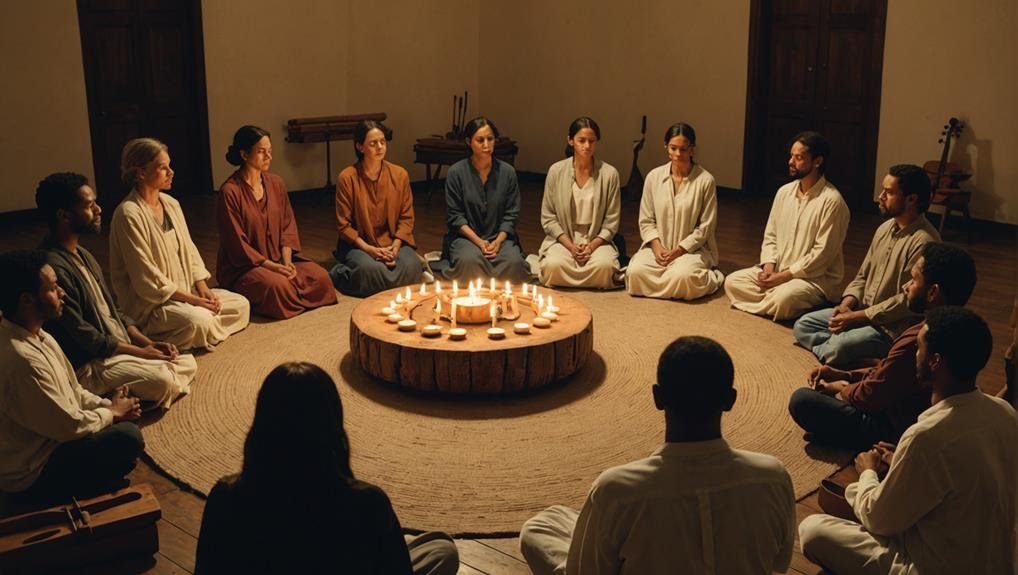
Understanding spirituals involves examining their roots within the African American experience, particularly during the era of slavery. These musical forms were not merely songs; they were profound expressions of hope, faith, and resilience against the backdrop of oppression. Spirituals encapsulate the emotional and spiritual struggles of enslaved individuals, intertwining biblical themes with African traditions.
Notable spirituals, such as "Swing Low, Sweet Chariot" and "Wade in the Water," exemplify messages of deliverance and spiritual cleansing. These songs served as both a source of comfort and a means of communication among enslaved communities, conveying a shared longing for freedom and a better life beyond the confines of bondage.
To fully appreciate spirituals, it is essential to engage with their historical context. This exploration reveals how these musical expressions have influenced a variety of genres and continue to inspire contemporary artists today.
Understanding the cultural significance of spirituals uncovers deeper layers of meaning, illustrating their lasting impact on music and society as a whole.
Spiritual Insights
- Spirituals are rooted in African American history, expressing resilience and identity during slavery through themes of faith, struggle, and hope.
- Notable spirituals, like "Swing Low, Sweet Chariot," convey powerful messages and are essential for understanding the genre's cultural significance.
- Listening to spirituals involves appreciating vocal techniques, emotional dynamics, and the historical context behind the lyrics.
- Participating in spirituals includes engaging in call-and-response, utilizing vocal dynamics, and embodying the stories through movement.
- Modern adaptations of spirituals in various genres connect historical injustices to contemporary experiences, revitalizing their cultural relevance.
What Are Spirituals?
Spirituals are a powerful genre of music that arose from the African American experience, particularly during the era of slavery in the United States. These spirituals serve as a testament to the resilience and creativity of enslaved individuals, who, despite their oppressive circumstances, found solace and strength in song.
The rich legacy of spirituals in African American culture highlights their impact on shaping identity and community, as well as their vital role in social and political movements, especially during the Civil Rights era. The cultural significance of spirituals extends beyond mere entertainment; they encapsulate the emotional expression of a community grappling with unimaginable hardships while simultaneously nurturing hope and faith.
Spirituals often convey themes of liberation, spiritual salvation, and communal unity, reflecting the complexities of the African American experience. As a means of communication, spirituals allowed enslaved people to share messages of resistance and solidarity, often disguised within the lyrical content. For instance, songs like "Swing Low, Sweet Chariot" not only resonate with religious fervor but also serve as a coded language for escape and deliverance.
As an art form, spirituals have greatly influenced other genres of music, including gospel, blues, and jazz, underscoring their enduring legacy. Ultimately, spirituals represent a crucial intersection of cultural heritage, emotional depth, and historical narrative, enriching the tapestry of American music and society.
The importance of spirituals cannot be overstated, as they remain a vital reflection of a community's struggles and triumphs.
Historical Context of Spirituals
Historical Context of Spirituals
The historical context of spirituals is rooted in the experiences of African Americans during slavery, reflecting their struggles, resilience, and faith. The historical context of spirituals showcases how these songs served as vital expressions of religious and cultural identity amidst oppression. Characterized by rich melodies and emotive lyrics, the historical context of spirituals draws heavily from biblical themes and African musical traditions, enriching their significance as a powerful legacy.
The historical context of spirituals not only highlights their emotional resonance but also emphasizes their function as resistance music, embodying the yearning for freedom and dignity in the face of systemic injustice.
Emerging from an oral tradition, the historical context of spirituals facilitated the preservation of African American cultural heritage and strengthened community bonds during adversity. Within the confines of plantations, the historical context of spirituals united individuals through shared experiences and collective narratives of suffering and survival.
Furthermore, the ability to infuse spirituals with coded messages underscores the historical context of spirituals as a means of clandestine communication, enhancing their role in resistance against oppression.
Thus, the historical context of spirituals reveals a profound narrative that intertwines faith, struggle, and communal identity, celebrating endurance and hope in the face of adversity.
Key Themes and Messages
Key Themes and Messages in Spirituals
The key themes and messages in spirituals reveal a profound connection between faith and resilience. Within the realm of spirituals, these themes serve as powerful expressions of faith, reflecting the deep spiritual beliefs of enslaved Africans who relied on song as a means of survival and hope.
The origins of these spirituals are intricately tied to the African American experience, showcasing their vital role in community bonding and cultural preservation, as emphasized in the rich legacy of spirituals. The lyrics often engage in emotional storytelling, depicting narratives of suffering, oppression, and an unwavering belief in eventual liberation, both earthly and spiritual.
The themes of struggle and redemption are woven throughout these spirituals, illustrating the duality of despair and hope. For instance, many spirituals evoke imagery of a promised land, symbolizing the aspiration for freedom and justice. This concept of hope amid adversity not only fosters a sense of community but also cultivates solidarity among listeners, transforming spirituals from mere entertainment into a form of collective resistance.
Furthermore, the social implications of these spirituals are significant, as they offer insights into the historical context of the African American experience. Spirituals encapsulate a rich tapestry of cultural identity, serving as reflections of the resilience of the human spirit and reminders of the enduring quest for dignity and equality.
Viewed through this lens, spirituals transcend the realm of music; they emerge as anthems of faith and endurance.
Notable Spirituals to Know
Notable Spirituals to Know
Notable spirituals are essential expressions of African American culture, reflecting deep historical significance and resilience. These spirituals encapsulate the lived experiences of enslaved individuals while serving as powerful markers of cultural expression.
With their roots in African traditions, spirituals emerged as a vital means of communication and resistance during the era of slavery, showcasing their cultural significance in the fabric of African American history. Renowned composers like Harry T. Burleigh and William L. Dawson have played pivotal roles in the evolution of spirituals, each adding unique interpretations and variations that enrich this musical tradition.
Among the most influential spirituals are:
- "Swing Low, Sweet Chariot" – A poignant metaphor for deliverance, often associated with the Underground Railroad, highlighting the spiritual's cultural significance.
- "Wade in the Water" – A call to spiritual cleansing and a reminder of faith, reinforcing the spiritual's role in the African American experience.
- "Steal Away" – A haunting reflection on the longing for freedom, often performed in hushed tones, showcasing the emotional depth of spirituals.
- "Nobody Knows the Trouble I've Seen" – An expression of sorrow and perseverance that resonates deeply within the African American community, underlining the historical importance of spirituals.
These notable spirituals convey profound emotions and serve as historical documents, encapsulating the struggles and aspirations of generations.
Therefore, notable spirituals remain relevant in contemporary discussions of identity and heritage, affirming their enduring legacy in African American culture.
Listening Tips for Beginners
Listening Tips for Beginners
To fully appreciate spirituals, beginners should embrace the listening experience with an open mind and a curiosity to delve into the profound emotional depths these songs present. The listening experience of spirituals is enriched by understanding the historical context from which they emerged; these songs often embody the struggles and resilience of enslaved African Americans. When engaging in the listening experience, it is important to focus on the vocal techniques employed by the singers, such as call-and-response patterns and melismatic embellishments. These vocal techniques not only serve as artistic expressions but also as powerful means of forging emotional connections with the audience.
The following table outlines key aspects to enhance your listening experience of spirituals:
| Aspect | Description |
|---|---|
| Vocal Techniques | Focus on the use of dynamics and improvisation in the vocal techniques, which convey deep emotion. |
| Emotional Connection | Consider how the lyrics relate to the historical experiences of pain and hope, enhancing the emotional connection. |
| Contextual Understanding | Reflect on the socio-political backdrop that inspired these spirituals for a deeper contextual understanding. |
Participating in Spirituals
Participating in Spirituals: Engaging in the practice of singing spirituals allows individuals to explore the rich cultural heritage and emotional depth of this unique art form.
Participating in spirituals involves understanding key elements that enhance the experience. First, call and response is a fundamental aspect of participating in spirituals, fostering a sense of community and connection with the audience. This interactive technique not only engages listeners but also reinforces the communal spirit inherent in the performance of spirituals.
Another crucial element in participating in spirituals is the use of vocal dynamics. By varying volume and intensity, performers can significantly amplify the emotional resonance of the lyrics, making the experience more impactful for both the singer and the audience. This ability to manipulate vocal dynamics is essential for effectively participating in spirituals.
Additionally, rhythmic phrasing plays a vital role when participating in spirituals. Embracing syncopation and improvisation reflects the genre's spontaneous spirit, allowing performers to put their unique stamp on traditional pieces. This freedom in rhythmic phrasing is what makes participating in spirituals so engaging and personal.
Lastly, physical embodiment is important when participating in spirituals. Utilizing body language and movement enhances the storytelling aspect of the songs, allowing performers to convey the deep emotional narratives that spirituals often encapsulate. By integrating physicality into their performance, artists can elevate their participation in spirituals to a more profound level.
The Role of Spirituals in Culture
The Role of Spirituals in Culture
The role of spirituals in culture is a profound representation of the resilience and creativity of African American culture, embodying the struggles, hopes, and spiritual beliefs of a community. Spirituals originated during the era of slavery and emerged as a crucial form of emotional expression, allowing individuals to articulate their suffering while simultaneously nurturing hope for liberation and salvation.
The rich legacy of spirituals in African American culture is evident in their ability to convey deep emotional truths and foster a sense of unity among those who share similar experiences. Moreover, the cultural significance of spirituals extends beyond mere musicality; they functioned as a means of covert communication, sharing messages of resistance and escape among enslaved people, highlighting their vital role in African American history.
Historically, spirituals provided a framework for understanding the duality of existence faced by African Americans. Spirituals encapsulated the dichotomy of despair and hope, often reflecting the harsh realities of life while emphasizing the promise of spiritual redemption. This complex interplay of emotions resonates with listeners, offering a powerful narrative that transcends generations.
Additionally, spirituals have served as a foundation for various cultural movements, influencing genres such as gospel and blues, thereby contributing significantly to the broader tapestry of American music. Consequently, the role of spirituals in culture is not merely historical; it remains a dynamic force that continues to inspire and uplift while fostering a collective identity rooted in resilience.
Spirituals in Modern Music
Spirituals in Modern Music
Spirituals in modern music refer to the ways in which contemporary genres incorporate the themes and melodies of traditional spirituals, creating a bridge between past and present. This integration of spirituals into modern music reflects the enduring influence of spirituals, capturing the struggles and triumphs of the African American experience while addressing broader societal issues.
The spirituals have been revitalized through contemporary adaptations, enabling new audiences to connect with their profound narratives. Spirituals, which emerged as expressions of faith and resistance during the era of slavery, continue to resonate within today's cultural landscape, linking historical injustices to current experiences of resilience and hope.
This powerful legacy of spirituals is showcased in various forms of artistic expression, highlighting their significance within the rich heritage of African American culture.
- Soulful reinterpretations of classics showcase how modern artists breathe new life into spirituals, facilitating a dialogue between the historical roots of spirituals and today's musical landscape.
- Fusion with hip-hop and R&B infuses spirituals with rhythmic complexities and lyrical depth, challenging listeners to reflect on the historical injustices that inspired these spirituals.
- Choral arrangements in popular music elevate the harmonic richness and communal spirit of spirituals, inviting participation and shared experiences that celebrate the essence of spirituals.
- Film soundtracks that evoke emotional landscapes utilize spirituals to underscore themes of resilience and hope, reinforcing the cultural significance of spirituals in storytelling.
These adaptations not only preserve the legacy of spirituals but also serve as a platform for social commentary, urging contemporary audiences to engage with the historical contexts that birthed these powerful expressions of faith and endurance.
As modern artists continue to draw from the wellspring of cultural heritage represented by spirituals, the spirituals remain an essential thread in the fabric of today's musical landscape.
Resources for Further Exploration
Resources for Further Exploration
In exploring the rich cultural tapestry of spirituals, various resources are available to deepen understanding of their origins and significance. The topic of spirituals is addressed through a selection of recommended books and online courses that investigate their historical context and impact on contemporary music and society.
| Resource Type | Recommendations |
|---|---|
| Recommended Books | "The Spirituals and the Blues" by James H. Cone |
| "Songs of Protest, War, and Peace" by David A. J. Richards | |
| Online Courses | "Introduction to African American Music" on Coursera |
| "The History of Spirituals" on edX |
These resources on spirituals serve not only as educational tools but also as platforms for understanding the socio-historical contexts that shaped spirituals. Engaging with these materials allows learners to appreciate the profound legacy of spirituals, recognizing their role as a form of resistance, resilience, and spiritual expression. By critically examining spirituals through these lenses, one can better understand their enduring relevance in today's cultural landscape.
Mystical Questions
How Can I Learn to Sing Spirituals Effectively?
To learn to sing spirituals effectively, focus on developing vocal techniques that enhance your range and control. Additionally, emphasize emotional expression to convey the deep spiritual narratives inherent in the genre, enriching your performance.
Are There Specific Instruments Typically Used in Spirituals?
Ah, the spirituals, where the heart sings and the instruments whisper! Typically, instrumental arrangements feature piano, organ, and guitar, while vocal harmony elevates the experience, creating a mesmerizing blend that transcends mere sound into profound expression.
Can Spirituals Be Performed in Non-Religious Settings?
Spirituals can indeed be performed in non-religious settings, as their rich emotional expression resonates universally. Such performance contexts allow audiences to appreciate the cultural significance and historical depth of spirituals beyond their original religious connotations.
What Cultural Influences Shaped the Development of Spirituals?
The development of spirituals was profoundly shaped by African cultural heritage, blending traditional African musical elements with Christian themes. This fusion facilitated a unique musical evolution, reflecting the historical experiences and emotional expressions of enslaved individuals.
How Do Spirituals Differ From Other African American Music Genres?
Spirituals differ from other African American music genres primarily in their historical context and lyrical themes, emphasizing religious devotion and resilience. Unlike secular forms, spirituals often reflect profound personal and communal experiences tied to faith and struggle.


