
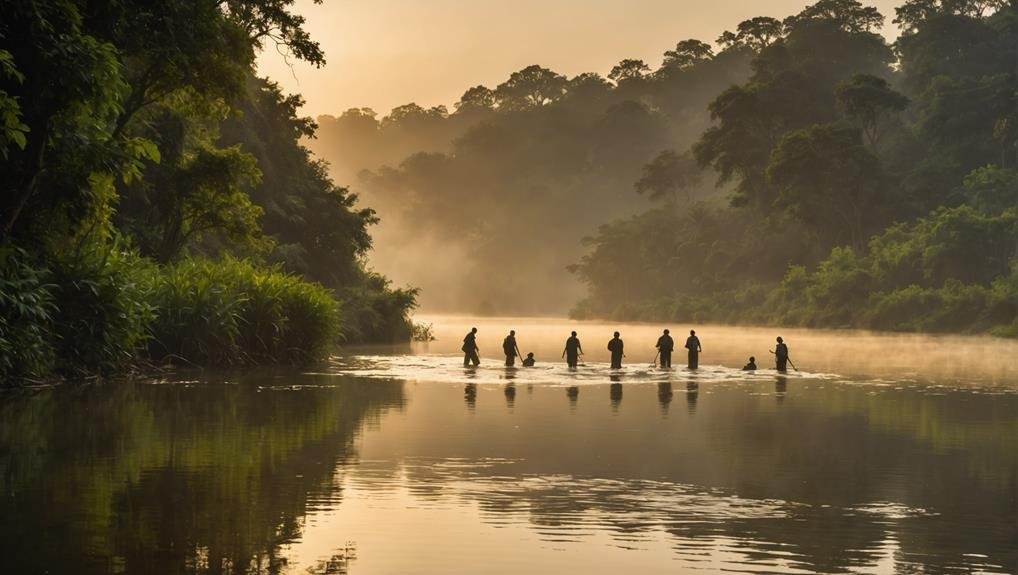
Embracing the Spiritual Lessons of "Wade in the Water"
Embracing the spiritual lessons of "Wade in the Water" signifies an understanding of its deep roots in African American history and culture. This spiritual, rich in meaning, serves as a powerful symbol of resilience and the enduring struggle against oppression faced by the African American community.
The song reflects not only communal strength and unwavering faith but also stands as an anthem for contemporary social justice movements. By acknowledging its historical context, we can appreciate how the imagery of wading through water represents the arduous journeys towards liberation and spiritual growth experienced by many.
Furthermore, the shared narratives of struggle and hope encapsulated in this spiritual foster a collective healing process within communities. They illuminate the path to empowerment, essential in the ongoing quest for equality.
Exploring the additional layers of meaning within "Wade in the Water" enriches the discourse surrounding its significance and relevance today.
Spiritual Insights
- "Wade in the Water" reflects African American history, symbolizing resilience and collective memory in the fight against oppression.
- The spiritual serves as a call for divine intervention and empowerment, emphasizing faith in the journey toward liberation.
- Themes of communal healing highlight the importance of shared experiences in overcoming hardship and fostering unity.
- The song's modern relevance connects past struggles to current social justice movements, inspiring ongoing commitment to equality.
- Engaging with the spiritual encourages active participation in advocacy and collective responses to injustice, promoting community strength.
Historical Context of the Spiritual
Historical Context of the Spiritual: "Wade in the Water"
The historical context of the spiritual "Wade in the Water" is rooted in African American history and reflects the broader significance of African spiritual practices and the struggle against slavery. This spiritual not only encapsulates the plight of enslaved Africans but also demonstrates their resilience and cultural heritage.
Within this historical context, African Americans relied on oral traditions to preserve their identity, passing down narratives that captured their experiences and struggles. Spirituals like "Wade in the Water" are essential for understanding the rich legacy of spirituals in African American culture, illustrating how music became a powerful form of expression during challenging times.
In exploring this historical context, the significance of "Wade in the Water" emerges as a profound embodiment of both a plea for divine intervention and a call to resist the oppressive forces of enslavement. The historical context surrounding the song reveals its musical influence, as it merges African rhythms and melodies with Christian themes, creating a unique fusion that resonates with both sacred and secular audiences.
This blending of spiritual practices within the historical context highlights a rich tapestry of faith, resistance, and community, showcasing how music served as a vehicle for empowerment. By examining "Wade in the Water" within this historical context, we recognize its enduring legacy in the African American community, as it continues to inspire and uplift, reminding us of the power of cultural expression in the face of adversity.
Themes of Resilience and Strength
Resilience and Strength in "Wade in the Water"
The themes of resilience and strength are central to the spiritual "Wade in the Water," showcasing the unyielding spirit of African Americans through adversity. Resilience and strength are not only depicted as a call to action but also as a testament to the power of inner strength that emerges in overcoming hardship.
The historical context of "Wade in the Water" weaves a narrative rich in struggle, survival, and hope, reflecting how communities have united against systemic oppression. By embracing spirituality, individuals can enhance their personal growth and self-discovery, tapping into their resilience and strength derived from their experiences.
Key themes within "Wade in the Water" that highlight resilience and strength include:
- Collective endurance: The unity among individuals confronting shared adversities fosters communal resilience and strength, embodying the idea that together, they are stronger.
- Historical perseverance: "Wade in the Water" serves as a powerful reminder of the historical perseverance of African Americans, echoing the voices of ancestors who demonstrated resilience and strength in their fight for freedom.
- Empowerment through faith: This spiritual invites individuals to draw on their resilience and strength, emphasizing the crucial role of self-belief in the journey toward liberation.
- Cultural legacy: "Wade in the Water" symbolizes the resilience and strength that stem from cultural traditions, underscoring the significance of heritage in fostering resilience.
Through these themes, "Wade in the Water" resonates as an anthem of hope and empowerment, illuminating the path toward a more equitable future rooted in resilience and strength.
Faith and Spiritual Connection
Faith and Spiritual Connection
Faith serves as a cornerstone in the spiritual hymn "Wade in the Water," highlighting the profound relationship between individual experiences and collective heritage. This sacred hymn, deeply rooted in the African American experience, encapsulates a longing for divine guidance amidst adversity through its emphasis on faith.
The spiritual practices associated with "Wade in the Water" not only evoke the historical struggles of enslaved individuals but also resonate with the enduring quest for meaning and solace within a shared cultural narrative, all fueled by faith. These practices can be seen as a form of compassionate living, reflecting the Spiritual Works of Mercy that guide us in our interactions with others, underscoring the role of faith in fostering empathy and understanding.
Historically, the act of wading through water has symbolized change and transformation, embodying a journey toward liberation, both physically and spiritually, driven by faith. The sacred practices surrounding this song, such as communal singing and ritualistic movements, serve to reinforce bonds among participants, fostering a sense of belonging and collective identity rooted in faith.
Furthermore, faith emerges as an essential source of strength, guiding individuals through trials while simultaneously nurturing hope for a brighter future.
As we engage with "Wade in the Water," it becomes evident that faith transcends mere belief; it manifests as an active, communal force, shaping identities and providing a framework through which individuals can navigate life's complexities. In this way, faith invokes the power of divine guidance in their journeys, reinforcing the importance of faith in creating a supportive and resilient community.
The Quest for Freedom
The Quest for Freedom in "Wade in the Water"
The quest for freedom in "Wade in the Water" represents a powerful theme that intertwines the spiritual journey of individuals striving to break free from oppression. This quest for freedom is deeply rooted in a historical narrative marked by resilience, where countless individuals embarked on journeys of freedom that encompassed both physical and spiritual liberation.
Spirituals, including "Wade in the Water," played a pivotal role in this quest for freedom, serving as a source of strength and fostering communal bonds during tumultuous times. The song stands as a poignant reminder of the sacrifices made throughout the quest for freedom, underscoring the inherent human yearning for autonomy and dignity.
Key aspects of the quest for freedom include:
- The historical context of slavery, which underscores the systemic oppression that marginalized communities faced in their quest for freedom.
- The utilization of spirituals as instruments of resistance, infusing hope and guidance into the perilous journey of freedom.
- The significance of cultural identity in nurturing a sense of belonging and purpose, vital components of the quest for freedom amidst adversity.
- The impact of collective memory in influencing contemporary movements for social justice and equality, reflecting ongoing efforts in the quest for freedom.
Through these perspectives, "Wade in the Water" embodies the essence of both personal and communal liberation, compelling individuals to challenge the obstacles that obstruct their quest for freedom while embracing their shared heritage as a powerful source of strength and inspiration in the unrelenting fight against oppression.
Community and Collective Healing
Community and Collective Healing in "Wade in the Water"
Community and collective healing are pivotal elements in "Wade in the Water," highlighting how shared experiences of struggle cultivate resilience and unity within a community. The song, intricately tied to the African American experience, reflects the historical suffering and enduring spirit of a community facing systemic oppression. In this context, "wading in the water" symbolizes not just physical survival but also represents a spiritual journey towards communal strength and healing.
By identifying and addressing barriers to spiritual growth, communities can enhance their healing processes, fostering deeper connections and understanding among their members. The shared experiences depicted in "Wade in the Water" strengthen community bonds, linking individuals through a shared narrative of adversity and hope. This connection transcends generations, serving as a reminder of the power embedded in collective memory and cultural legacy.
The significance of community in the healing process is profound; it underscores the notion that individual pain can be transformed into collective empowerment, nurturing a sense of belonging and mutual support. Additionally, "Wade in the Water" prompts contemplation on the vital role of community in overcoming hardship, positing that healing is fundamentally a communal process rather than a solitary pursuit.
Modern Relevance and Application
Modern Relevance and Application
The modern relevance of "Wade in the Water" lies in its ability to connect past struggles for freedom and equality to present-day social justice movements. The themes encapsulated in "Wade in the Water" resonate deeply with contemporary issues, making the song an enduring symbol of resilience and hope in the fight for equality.
The relevance of "Wade in the Water" can be articulated through several key themes:
- Resilience: "Wade in the Water" encourages perseverance in the face of adversity, reminding us of the strength found in community, a theme that is particularly pertinent today. The resilience depicted in "Wade in the Water" serves as a beacon for those facing challenges in their pursuit of justice.
- Faith and Hope: "Wade in the Water" symbolizes the belief in a better future, fostering a sense of unity among those striving for justice. The faith and hope expressed in "Wade in the Water" continue to inspire individuals to maintain their commitment to social change.
- Historical Context: Understanding the historical context of "Wade in the Water" as a spiritual can illuminate the ongoing fight against oppression. The lessons from "Wade in the Water" remind us of the importance of remembrance in shaping our contemporary struggles for equality.
- Call to Action: The lyrics of "Wade in the Water" inspire individuals to engage actively in social movements, promoting a collective response to injustice. The call to action within "Wade in the Water" encourages listeners to reflect on their roles and responsibilities in today's fight for social justice.
Mystical Questions
What Specific Events Inspired the Creation of "Wade in the Water"?
"Wade in the Water" emerged from a historical context marked by the struggles of enslaved individuals seeking freedom, symbolizing spiritual resilience and hope amidst adversity, while reflecting the broader fight against oppression and the quest for liberation.
How Has "Wade in the Water" Influenced Contemporary Music?
Like a river shaping the land, "Wade in the Water" has profoundly influenced contemporary music through its cultural significance and diverse musical adaptations, infusing modern genres with deep spiritual resonance and historical context.
Are There Notable Performances of "Wade in the Water" in Modern Times?
Notable renditions of "Wade in the Water" have emerged in modern adaptations, showcasing its enduring relevance. Performances by artists such as Aretha Franklin and contemporary gospel choirs illustrate the song's powerful emotional and spiritual resonance today.
How Can I Incorporate the Song's Lessons Into Daily Life?
Incorporating profound lessons into daily life involves cultivating a serene oasis of mindful reflection, where thoughts flow like water. Engage in community connection, fostering shared wisdom and support, nurturing growth through collective experiences and shared journeys.
What Are the Origins of the Phrase "Wade in the Water"?
The phrase "wade in the water" originates from African American spirituals, reflecting the community's resilience and connection to their spiritual heritage. It symbolizes a journey through adversity, invoking themes of faith and liberation.


