
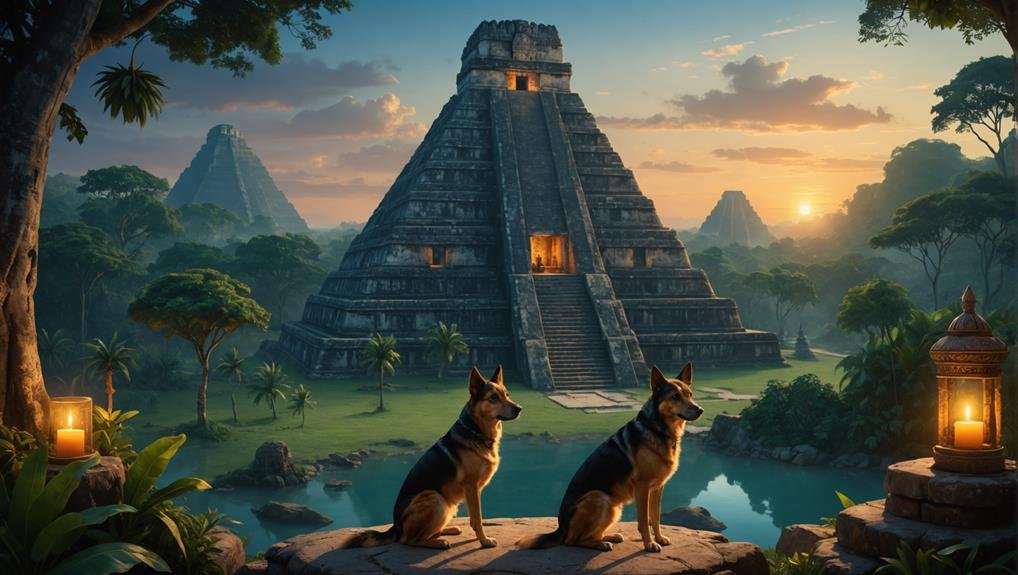
The role of dogs in Mayan spiritual journeys encompasses their significance as companions and mediators, deeply rooted in the culture's understanding of life, death, and the afterlife. This relationship highlights the multifaceted nature of dogs within Mayan society, where they were more than mere pets; they were integral to spiritual practices and beliefs.
In rituals and burials, the presence of dogs illustrates their profound importance. They were regarded as guides who could navigate spiritual realms and detect unseen energies. This belief was reflected in their depiction in art as symbols of protection, emphasizing their role in safeguarding individuals from malevolent forces during transformative experiences.
Additionally, the reverence for dog deities, such as Xolotl, further underscores the critical role that dogs played in the afterlife within Mayan spirituality. These deities exemplified the belief that dogs were essential agents in guiding souls beyond death and into the afterlife.
By examining the intricate relationship between dogs and Mayan spirituality, we gain deeper insights into the broader cosmology and cultural practices of the Mayan civilization. This exploration reveals how dogs were woven into the very fabric of spiritual beliefs, reinforcing their enduring influence throughout Mayan history.
Spiritual Insights
- Dogs acted as spiritual guides, helping individuals navigate uncertainties during spiritual journeys by sensing energies and emotions.
- They participated in ceremonies, enhancing connections with the divine and facilitating communication during spiritual practices.
- The presence of dogs provided protection against evil spirits, ensuring safety during significant spiritual journeys.
- Rituals often included dog sacrifices to honor deities, reinforcing their role as intermediaries between humans and the divine.
- Dogs were seen as essential companions for the deceased, guiding them in the afterlife and emphasizing continuity of relationships beyond death.
Historical Significance of Dogs
Historical Significance of Dogs in Mayan Culture
The historical significance of dogs in Mayan culture is profound, as they were integral to both everyday life and spiritual practices. Dogs served not only as loyal companions but also played crucial roles in rituals and beliefs within the Mayan society.
Archaeological findings from sites like Tikal and Copán highlight the historical significance of dogs, revealing their presence in human burials, which indicates their importance in mortuary rituals and the Mayan understanding of the afterlife.
The historical significance of dogs is further illustrated through their representations in Mayan art, where they embody themes of loyalty, protection, and guidance. This artistic portrayal reinforces the idea that dogs were more than mere pets; they were woven into the identity and spirituality of the Mayan people.
The historical significance of dogs extends beyond companionship, as they were viewed as mediators between the earthly realm and the divine, helping to forge connections with ancestral spirits. This intricate relationship underscores the historical significance of dogs, emphasizing their role in shaping spiritual narratives and reflecting a rich tapestry of cultural values and beliefs within Mayan civilization.
Dogs as Spiritual Guides
Dogs as Spiritual Guides in Mayan Culture
In Mayan culture, dogs served as vital spiritual guides, embodying a unique connection to the spiritual realm. The belief in dogs as spiritual guides was deeply entrenched in the Mayan worldview, where these animals were seen not merely as companions but as essential partners in navigating the spiritual journey. The perception of dogs as spiritual guides allowed the Mayans to draw on their intuitive abilities, fostering a profound bond that transcended the typical owner-pet relationship.
The following table elucidates key aspects of how dogs functioned as spiritual guides in Mayan society:
| Aspect | Description |
|---|---|
| Canine Intuition | Dogs were believed to sense energies and emotions, guiding individuals in times of uncertainty. |
| Spiritual Symbols | Depictions of dogs in Mayan art often symbolized protection and change in the afterlife. |
| Ritual Participation | Dogs played a role in ceremonies, believed to assist in maneuvering spiritual domains. |
Through this lens, one can appreciate the complexity of human-dog relationships in Mayan spiritual practices, where the role of dogs as spiritual guides was not just about companionship but an integral aspect of understanding the cosmos. The significance of dogs as spiritual guides highlights their role in facilitating communication with the divine and navigating the intricate pathways of existence, underscoring the cultural importance of these remarkable animals in Mayan society.
Rituals Involving Dogs
Rituals Involving Dogs in Mayan Culture
Rituals involving dogs in Mayan culture were essential components of spiritual practices, highlighting the belief in dogs as intermediaries between the physical and spiritual realms. These rituals involving dogs often included dog sacrifices, performed during significant ceremonies to honor deities and seek blessings. The act of sacrificing a dog within these rituals was viewed as a way to ensure safe passage for the deceased, as the spirit of the dog was believed to guide souls through the afterlife.
In addition to sacrifices, rituals involving dogs encompassed their ceremonial roles, where dogs served as companions to shamans or priests during spiritual journeys. Their presence in these rituals was thought to deepen the participants' connection with the divine, aiding in communication with ancestors or supernatural entities.
This intricate relationship between the physical presence of dogs and spiritual aspirations within rituals involving dogs emphasizes the complex nature of their roles in Mayan society.
Furthermore, the rituals involving dogs reveal important social dynamics, reflecting the interconnectedness of life, death, and the afterlife in Mayan beliefs. By exploring these rituals involving dogs, we gain valuable insights into the sophisticated belief systems that informed the Mayan worldview and the significant respect for the bonds forged between humans and their canine companions.
Symbolism of Protection
Symbolism of Protection: In the Mayan spiritual framework, the symbolism of protection associated with dogs reflects their integral role as guardians in cultural beliefs and practices. This symbolism of protection is deeply embedded in the Mayan narratives, highlighting the understanding that dogs served not only as companions but also as powerful protectors against evil spirits.
The symbolism of protection attributed to dogs illustrates their ability to ensure safety during spiritual journeys, reinforcing the belief in their guardianship. The rituals surrounding significant life events further exemplify this symbolism of protection, as dogs were included to safeguard the participants and uphold the sanctity of these rites.
By incorporating dogs into spiritual customs, the Mayans acknowledged their role as intermediaries, with their unwavering loyalty and vigilance providing a protective barrier against malevolent forces. This relationship emphasizes the broader social implications of canine companionship, illustrating a worldview that recognizes the interconnectedness of all beings within the symbolism of protection.
Thus, the symbolism of protection in Mayan spirituality extends far beyond mere companionship. It establishes dogs as essential protectors, woven into the cultural tapestry of symbolism and spiritual practice, embodying a profound understanding of their role in safeguarding both individuals and the community at large.
Dogs and the Afterlife
The Role of Dogs in Mayan Spirituality and the Afterlife
The role of dogs in Mayan spirituality is profoundly significant, particularly concerning their association with the afterlife, where they were believed to be essential companions for the deceased. This belief in the role of dogs reflects a deep-seated understanding of their spiritual importance, illustrating how dogs were integral to guiding souls on their journey to the underworld.
In Mayan mythology, canines like Xolotl, a prominent dog deity, were revered for their role in facilitating safe passage through the treacherous paths of the afterlife.
The presence of dogs in funerary practices, such as being buried alongside human remains, further emphasizes the role of dogs as vital guides and protectors in the afterlife. This practice showcases a broader cultural perspective on the interconnectedness of the living and the dead, highlighting the belief that dogs play a crucial part in ensuring a safe transition to the underworld.
Additionally, the reverence for dog deities underlines the complex and multifaceted relationship between humans and dogs, indicating that these animals were viewed not just as companions, but as essential spiritual allies in the afterlife.
The implications of these beliefs provide valuable insight into the Mayan worldview, accentuating themes of loyalty, companionship, and the continuity of relationships beyond death.
Ultimately, the role of dogs in Mayan afterlife beliefs serves as a poignant reminder of their vital place within the cultural and spiritual landscape of Mayan society.
Mystical Questions
What Breeds of Dogs Were Common in Mayan Civilization?
"Every dog has its day." In the Mayan civilization, notable breeds included the Mexican Hairless and the Techichi, both possessing spiritual significance, revered not only as companions but also for their roles in rituals and beliefs.
How Were Dogs Cared for in Mayan Society?
In Mayan society, dogs were cared for through specialized diets that included maize and beans. Additionally, canine rituals emphasized their significance, ensuring their well-being and reinforcing the bond between humans and dogs in daily life.
Did Mayans Have Specific Names for Their Dogs?
Mayan society often bestowed names upon their dogs reflecting their spiritual significance, such as "Xolotl," symbolizing the guiding spirit. These Mayan dog names not only represented companionship but also embodied deeper cultural and religious beliefs.
Were There Any Taboos Related to Dogs in Mayan Culture?
In Mayan culture, dogs held significant symbolism, often associated with guidance in spiritual undertakings. However, certain taboos existed, particularly regarding their treatment and burial, reflecting their profound spiritual significance within the community's beliefs and practices.
How Did the Role of Dogs Vary Among Different Mayan Regions?
Diverse dogs displayed distinct roles across the Mayan regions, embodying regional significance and spiritual symbolism. In some areas, they served as guardians, while in others, they acted as companions, reflecting varying cultural interpretations and practices.


