
Sulphur soap is a unique cleansing agent often utilized in spiritual practices to promote purification and renewal. To enhance its effectiveness in spiritual cleansing, practitioners can engage in a series of reflective rituals that focus on intention setting, creating sacred spaces, and incorporating mindful practices.
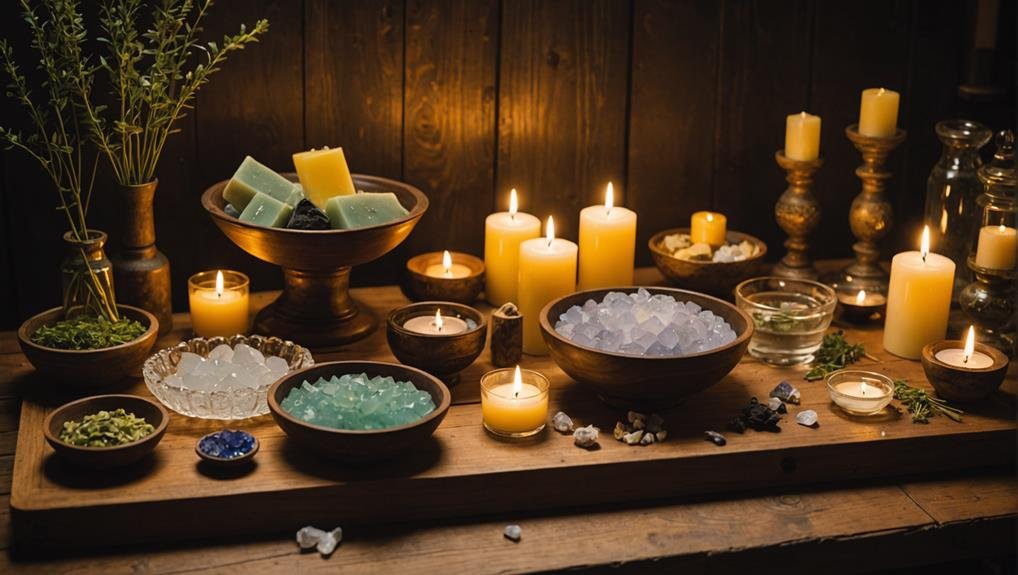
One essential aspect of these rituals is the creation of an altar, adorned with meaningful items such as crystals and candles. This altar fosters an environment that supports spiritual growth and introspection.
In addition, visualization techniques can be employed during the cleansing process to symbolically wash away impurities, reinforcing the intention behind the use of sulphur soap.
Incorporating affirmations and mindful breathing exercises further nurtures self-worth and mental clarity, allowing individuals to connect more deeply with their spiritual journey.
Historical practices also highlight the importance of reflection after cleansing, facilitating deeper emotional processing and understanding of one's experiences.
By combining these multifaceted rituals, practitioners can amplify the transformative effects of sulphur soap, encouraging a profound exploration of spiritual renewal.
Those interested in deepening their practice will find that there are many insights to discover along the way.
Spiritual Insights
- Create a sacred space with an altar, candles, and natural elements to enhance spiritual focus during sulphur soap rituals.
- Set clear intentions before rituals to guide your spiritual cleansing journey and amplify the effects of sulphur soap.
- Use visualization techniques to imagine impurities being washed away, deepening the psychological impact of the cleansing process.
- Incorporate affirmations to nurture self-worth and resilience, reinforcing positive beliefs during the cleansing ritual with sulphur soap.
- Engage in mindful breathing exercises to enhance awareness and connection to your intentions before starting the sulphur soap ritual.
Understanding Sulphur Soap
Understanding Sulphur Soap: Sulphur soap is a specialized cleansing agent rich in sulphur, widely recognized for its therapeutic benefits in dermatological care. This sulphur soap, filled with antiseptic and anti-inflammatory properties, has been historically valued across various cultures for its effectiveness in treating skin ailments.
The spiritual benefits of sulphur soap also add to its allure, positioning it as a holistic self-care solution that promotes purification and well-being.
The cleansing properties of sulphur soap extend beyond surface cleaning; this sulphur soap penetrates deep into the skin, helping to unclog pores and control excess oil production. Such an ability allows sulphur soap to deliver a profound cleansing experience that rejuvenates the skin and fosters a sense of renewal.
In today's society, there is a growing appreciation for natural and effective dermatological solutions, leading to a resurgence in the popularity of sulphur soap, which aligns with the broader movement towards holistic health practices.
Additionally, sulphur soap can be analyzed within its socio-cultural context, representing the blend of traditional remedies with modern skincare approaches. Thus, sulphur soap stands as a powerful symbol of the ongoing search for natural healing methods in an increasingly synthetic world.
Preparing for Spiritual Cleansing
Preparing for Spiritual Cleansing with Sulphur Soap
Preparing for spiritual cleansing with sulphur soap involves creating an environment that enhances reflection and renewal. This preparation is crucial for achieving a cleansing mindset that promotes emotional and spiritual rejuvenation through spiritual cleansing.
To facilitate this spiritual cleansing process, consider the following elements:
- Choose a sacred space: Find an area free from distractions, allowing for undisturbed introspection during your spiritual cleansing.
- Gather meaningful items: Include crystals, candles, or personal artifacts that resonate with your spiritual journey, enhancing your spiritual cleansing experience.
- Set an intention: Clearly articulate what you hope to achieve through this spiritual cleansing, whether it be emotional release or protection.
- Incorporate calming elements: Use incense or soft music to create an ambiance that promotes tranquility and focus, supporting your spiritual cleansing.
Visualization Techniques
Visualization Techniques in Spiritual Cleansing with Sulphur Soap
Visualization techniques are essential tools that enhance the spiritual cleansing experience with sulphur soap. By employing visualization techniques, practitioners can create a vivid mental landscape that resonates with their intentions for purification. For instance, envisioning a bright yellow hue, reminiscent of the sun, symbolizes warmth and healing, fostering a deeper connection to the cleansing ritual.
This sensory engagement through visualization techniques not only enriches the experience but also aligns the mind and body, creating a harmonious environment conducive to spiritual growth. Engaging in spiritual cleansing rituals using these visualization techniques can lead to profound emotional and spiritual well-being, as highlighted in embrace spiritual cleansing.
Historically, the power of visualization techniques has been recognized across various cultures, often linked to sacred practices aimed at enhancing spiritual well-being. By integrating these visualization techniques into the ritual of using sulphur soap, individuals can evoke a sense of clarity and focus, which is essential for effective cleansing.
The act of visualizing the soap's cleansing properties, perhaps imagining impurities being washed away in a cascade of sparkling light, amplifies the psychological impact of the ritual. As practitioners engage their senses—sight, touch, and even scent—they immerse themselves more fully in the process, ultimately leading to a more profound and transformative spiritual experience.
Consequently, visualization techniques serve as a crucial component in the ritualistic use of sulphur soap.
Affirmations for Empowerment
Affirmations for Empowerment in Spiritual Cleansing Rituals
Affirmations for empowerment significantly enhance the spiritual cleansing rituals, particularly when utilizing sulphur soap. By integrating affirmations for empowerment into these cleansing processes, individuals can cultivate a deep sense of self-worth and resilience. This practice not only aids in spiritual purification but also fosters a positive mindset, reinforcing the belief that one is capable of overcoming challenges and manifesting personal goals.
Moreover, nurturing spiritual health through affirmations for empowerment is essential for overall well-being, forming a foundation for personal growth.
Incorporating affirmations for empowerment during the ritual can deepen the spiritual experience, as they serve as potent reminders of one's inherent strength. Consider the following affirmations for empowerment:
- "I release negativity and embrace my inner strength."
- "I am deserving of love, success, and happiness."
- "Every challenge I face is an opportunity for growth."
- "I cleanse my spirit and open myself to new possibilities."
The historical context of affirmations for empowerment can be traced back to various spiritual and psychological practices, highlighting their importance in personal empowerment.
Socially, affirmations for empowerment serve as a counterbalance to pervasive negativity, promoting resilience in a world often filled with obstacles. By consciously repeating these affirmations for empowerment while using sulphur soap, individuals can achieve a holistic cleansing that goes beyond the physical, ultimately nurturing a fortified spirit.
Mindful Breathing Exercises
Mindful Breathing Exercises in Spiritual Cleansing Rituals
Mindful breathing exercises play a crucial role in enhancing spiritual cleansing rituals, especially when paired with sulphur soap. These mindful breathing exercises encourage practitioners to cultivate awareness and focus, centering themselves before the ritualistic use of sulphur soap. Across various cultures, mindful breathing exercises have been recognized as essential components of spiritual practices, serving as a conduit between the physical and spiritual realms.
The spiritual benefits of sulphur soap can be significantly amplified when individuals engage in mindful breathing exercises with intention and clarity. By concentrating on the breath, practitioners can develop a deeper presence, which enriches their connection to both their intentions and the cleansing effects of sulphur soap.
The integration of mindful breathing exercises into these rituals not only enhances the experience but also promotes a reflective mindset. Practitioners can utilize mindful breathing exercises such as deep abdominal breathing or alternate nostril breathing, both of which calm the mind and prepare the spirit for purification.
This synchrony of body and spirit, facilitated by mindful breathing exercises, creates an optimal atmosphere for spiritual cleansing, allowing individuals to release negative energies and embrace their potential for transformation. Reflecting on the social implications of these practices, we see that engaging in mindful breathing exercises within a ritual context preserves ancient wisdom, adapting it for the needs of modern spiritual seekers.
Setting Intentions
Setting Intentions in Spiritual Cleansing Rituals
Setting intentions is a critical aspect of spiritual cleansing rituals, as it provides a clear direction for the transformative journey. The practice of setting intentions not only aids in aligning energies but also fosters an environment conducive to personal growth and healing.
Historically, intention setting has been a vital element in various spiritual traditions, highlighting the significance of clarity in one's desires and aspirations. By articulating specific intentions, individuals can effectively harness their energies, steering them toward desired outcomes during their spiritual journeys. Engaging in intention setting complements spiritual practices for healing, amplifying overall wellness and recovery.
To engage in setting intentions successfully, consider the following:
- Clarify Your Objectives: Define what you wish to release or invite into your life through intention setting.
- Utilize Affirmations: Craft positive statements that embody your intentions, reinforcing belief in their manifestation as part of the intention setting process.
- Visualize Your Goals: Envision the outcomes of your intentions, integrating sensory details to enhance the experience in intention setting.
- Express Gratitude: Cultivate an attitude of thankfulness for the intentions already fulfilled, thereby fostering a positive mindset through intention setting.
Creating a Sacred Space
Creating a Sacred Space: Creating a sacred space is an essential practice that facilitates spiritual cleansing and personal connection. Establishing a sacred space involves the thoughtful arrangement of elements that resonate with one's personal journey, making it a pivotal aspect in the practice of spiritual cleansing. A sacred space not only allows individuals to engage with their inner selves but also helps them to harmonize with the surrounding energies.
Key to the creation of a sacred space is the sacred altar, which serves as the heart of this environment, acting as a center for intention and focus. By incorporating various elements into the sacred space, practitioners can enhance their experiences. For instance, the use of candles within the sacred space symbolizes light and protection, providing warmth and a sense of safety.
Crystals are also integral to a sacred space; they amplify energy and aid in healing, making them vital for those seeking spiritual growth. Incense, another important feature of a sacred space, purifies the air and elevates mood, contributing to a serene atmosphere. Additionally, incorporating natural elements into the sacred space fosters grounding and strengthens the connection to Earth.
The practice of creating a sacred space has deep historical roots in various cultures, reflecting a universal human longing for serenity and purpose amid life's chaos. Thus, the act of establishing a sacred space transcends personal meaning, serving as a profound acknowledgment of the interconnectedness of spiritual traditions throughout history.
Incorporating Ritual Items
Incorporating Ritual Items into Sacred Spaces: The integration of ritual items within sacred spaces significantly enhances the spiritual experience and deepens the intentions established in that environment. Incorporating ritual items not only enriches the overall ritual but also fosters a connection to historical practices that have been passed down through generations.
Each ritual item serves as a conduit for spiritual energy, aiding participants in focusing their minds and elevating the significance of the ritual. Furthermore, the use of sulphur soap alongside these ritual items can intensify its spiritual benefits, facilitating deeper cleansing and connection.
- Ritual Candles: These ritual items symbolize illumination and protection, and they can be utilized to invoke specific energies or deities, thereby casting light on the intentions established during the ritual.
- Herbal Offerings: These ritual items, commonly found in various spiritual traditions, may include sage, rosemary, or lavender, each possessing unique properties that enhance purification and healing.
- Crystals: Selected as ritual items for their energetic qualities, crystals can amplify the intentions of the ritual, acting as potent tools for spiritual alignment.
- Offering Bowls: These ritual items can hold herbal offerings or other symbolic objects, providing a dedicated space for gratitude and fostering a connection with the divine.
Incorporating ritual items into the sacred space not only elevates the experience but also serves to reinforce the spiritual journey of the participants.
Post-Cleansing Reflection
Post-Cleansing Reflection: The post-cleansing reflection is a vital practice that enhances the benefits of the cleansing ritual, allowing individuals to process their experiences and intentions.
After engaging in the cleansing ritual with sulphur soap, participants should dedicate time to the post-cleansing reflection, which is essential for self-discovery. This post-cleansing reflection enables individuals to assess the emotional release achieved through the ritual.
Historically, cleansing practices have functioned as a means of purging negativity and fostering spiritual renewal, often rooted in cultural traditions emphasizing introspection, further enriching the post-cleansing reflection process.
As participants delve into the sensations experienced during the cleansing, the post-cleansing reflection may uncover deeper emotional layers that require acknowledgment and understanding. This thorough post-cleansing reflection not only enhances the efficacy of the ritual but also fosters a greater connection to one's inner self, ultimately promoting a balanced emotional state.
The implications of this post-cleansing reflection extend beyond the individual, contributing to a broader understanding of the social dynamics surrounding spiritual practices. Engaging in such rituals and the subsequent post-cleansing reflection encourages collective healing within communities, as individuals share their insights and experiences, ultimately cultivating a supportive environment for others on their journeys.
Consequently, the post-cleansing reflection serves as a crucial component, facilitating both personal growth and interconnectedness within the spiritual landscape.
Building a Regular Practice
Building a Regular Practice of Sulphur Soap Rituals
Establishing a consistent practice around the use of sulphur soap is essential for maximizing the benefits of the cleansing ritual and the subsequent post-cleansing reflection. By committing to a regular practice with sulphur soap, individuals can cultivate a profound connection with their spiritual intentions, transforming the act of washing into a meaningful ritual of energy cleansing.
This regular practice not only supports personal reflection but also highlights the importance of mindful practices in daily life. As discussed, sulphur soap can be a powerful tool for mind and body wellness, enhancing the overall spiritual experience.
To build a regular practice involving sulphur soap, consider the following strategies:
- Set a specific time: Choose a consistent time each day for your cleansing rituals with sulphur soap to create a sense of routine integration.
- Create a sacred space: Designate a specific area for your sulphur soap rituals, enhancing the ambiance with meaningful items that resonate with your spiritual intentions.
- Incorporate affirmations: Utilize positive affirmations during the washing process with sulphur soap, reinforcing your personal reflections and enhancing the ritual's power.
- Document your journey: Keep a journal to track your experiences and insights related to your sulphur soap rituals, allowing for deeper analysis of the emotional and spiritual growth fostered by these sacred practices.
Mystical Questions
Can Sulphur Soap Be Used on Sensitive Skin?
While sulphur soap offers numerous benefits, individuals with sensitive skin must exercise caution. Always perform a patch test first, as its potent properties may provoke irritation. Prioritize skin health when incorporating sulphur soap into your routine.
Is Sulphur Soap Safe for Children?
Sulphur soap can provide benefits for children's skin, such as treating acne and other skin conditions. However, due to potential sensitivity, it is advisable to consult a pediatrician before using sulphur soap on children.
How Often Should I Use Sulphur Soap for Spiritual Cleansing?
Frequency guidelines for using sulphur soap in cleansing rituals vary, but generally, a weekly application is recommended. This guarantees effective spiritual cleansing while preventing skin irritation, allowing for a balanced approach to spiritual hygiene practices.
Are There Any Side Effects of Using Sulphur Soap?
The use of sulphur soap may lead to side effects such as skin irritation and allergic reactions in sensitive individuals. It is advisable to conduct a patch test prior to regular use to mitigate potential adverse effects.
Can I Combine Sulphur Soap With Other Cleansing Products?
Combining sulphur soap with other cleansing products can enhance its benefits, particularly in cleansing rituals. However, it's important to evaluate compatibility and skin sensitivity to guarantee ideal results without adverse reactions. Always conduct a patch test first.


