
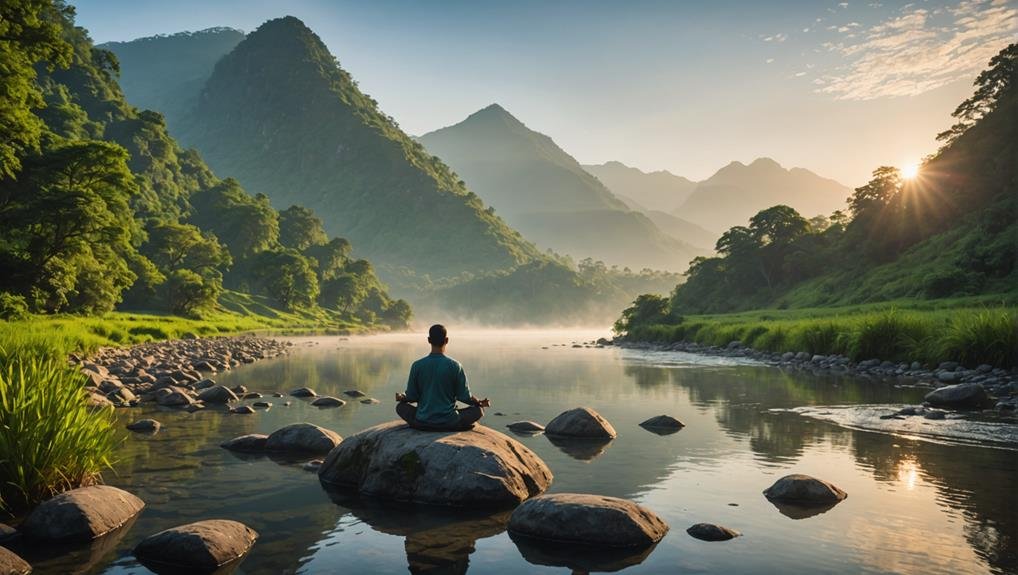
Spirituality can be defined as a multifaceted concept that encompasses a range of beliefs and practices, connecting individuals to a deeper essence of existence. It serves as a bridge between the self and the universe, encouraging exploration of both personal and communal experiences.
Historically, spirituality has developed through various cultures, intertwining with religious practices and philosophical ideas. This evolution has significantly influenced how individuals and communities understand and engage with spiritual concepts.
In addressing existential questions, spirituality often promotes personal growth and enhances mental well-being.
Despite its rich and expansive nature, misconceptions about spirituality can narrow its perceived meaning. Many view it solely through the lens of organized religion and dogma, overlooking the unique and personal experiences that spirituality encompasses.
By embracing a broader understanding of spirituality, one can embark on an exploration of individual journeys and shared connections, ultimately uncovering deeper insights into both the self and the universe.
Spiritual Insights
- Spirituality encompasses a broad range of beliefs and practices aimed at connecting individuals to a greater existence and fostering personal growth.
- It is distinct from organized religion, emphasizing personal exploration and experiences over dogma and rituals.
- Common spiritual practices include meditation, energy healing, and nature rituals, all promoting self-awareness and connection.
- Mindfulness and mentorship play crucial roles in enhancing personal spiritual journeys and fostering community support.
- Spiritual growth involves a dynamic interplay between individual experiences and communal narratives, shaping authentic spiritual paths.
Understanding Spirituality
Understanding Spirituality
Understanding spirituality is essential as it encompasses a broad spectrum of beliefs and practices that connect individuals to something greater than themselves. At its core, understanding spirituality invites individuals to engage with their spiritual beliefs, which may or may not align with traditional religious frameworks. This engagement in understanding spirituality often fosters a quest for inner peace, enabling practitioners to navigate life's complexities with a sense of calm and clarity.
Many beginners approach understanding spirituality as a pathway for personal growth and deeper connection, discovering tools and insights that resonate with their unique experiences and aspirations, as explored in Unlocking the Essence of Spirituality for Beginners.
Individuals seeking understanding spirituality often do so to address existential questions, fostering a deeper understanding of their place in the universe. This exploration of understanding spirituality may manifest through meditation, mindfulness, or other contemplative practices that encourage self-reflection and emotional resilience.
Inner peace, a common aspiration among those pursuing understanding spirituality, serves as both a goal and a journey, promoting mental well-being while facilitating a connection to broader existential themes.
The social implications of understanding spirituality are profound; it can create communities bound by shared beliefs, yet it also invites diversity in thought and practice. As individuals grapple with understanding spirituality, they often reflect on their values, ethics, and relationships, ultimately leading to a transformative experience that transcends mere belief systems and encourages holistic personal development.
Historical Perspectives on Spirituality
Historical Perspectives on Spirituality: The exploration of historical perspectives on spirituality reveals how various cultures have influenced the understanding and expression of spiritual beliefs throughout time.
Throughout history, the journey of spirituality has been shaped by various cultures, reflecting the evolving nature of human beliefs and practices. Ancient beliefs often centered around nature and the cosmos, where spiritual experiences were deeply intertwined with the environment, leading to the development of sacred texts that articulated these connections.
As individuals sought deeper meaning in their lives, the journey of embracing spirituality became a significant aspect of personal growth. As civilizations advanced, religious influences became pervasive, creating frameworks through which spirituality was interpreted, often resulting in cultural variations that highlighted unique practices and beliefs.
Philosophical interpretations emerged during the classical era, as thinkers grappled with the nature of existence and the human experience, emphasizing the importance of mystical experiences as pathways to understanding the divine. Spirituality in the form of rituals served not only as expressions of faith but also as communal activities that fostered social cohesion.
In contemporary society, movements focused on spirituality have sought to reconcile traditional practices with the demands of modern life, reflecting an ongoing dialogue between the past and present.
This historical lens on spirituality reveals how it has adapted and transformed, influenced by cultural contexts and social dynamics, ultimately underscoring its significance in human experience across time. The continuous evolution of spirituality highlights its enduring relevance and the diverse ways it manifests in different cultures.
Different Types of Spiritual Practices
Different Types of Spiritual Practices: Different types of spiritual practices encompass a wide array of rituals and beliefs designed to meet the diverse needs of individuals in their quest for connection, meaning, and transcendence.
Among these different types of spiritual practices, meditative practices are fundamental, as they foster inner peace and self-awareness. Techniques such as mindfulness are integral to these meditative practices, allowing practitioners to cultivate a present-focused awareness that bridges the gap between the mind and body.
Additionally, engaging in essential practices for growth can greatly enhance one's spiritual journey and deepen the overall experience within the realm of different types of spiritual practices.
Energy healing is another crucial aspect of different types of spiritual practices, encompassing methods like Reiki and chakra balancing, which aim to restore balance and harmony within the individual's energetic field.
Nature rituals, a significant component of different types of spiritual practices, are deeply rooted in various cultures and invite participants to reconnect with the earth, emphasizing the importance of seasonal changes and natural cycles.
Ceremonial traditions represent structured expressions within different types of spiritual practices, often marking important life events and reinforcing communal bonds.
Community gatherings, also a vital part of different types of spiritual practices, provide a platform for collective spiritual expression, reinforcing shared beliefs and fostering social cohesion.
Each of these different types of spiritual practices not only reflects historical contexts but also addresses contemporary societal needs, illustrating the evolving nature of spirituality in a rapidly changing world.
Therefore, understanding these diverse practices enhances our appreciation for the multifaceted human pursuit of spiritual fulfillment.
Personal Spiritual Journeys
Personal Spiritual Journeys: A Reflection of Individual Paths
Personal spiritual journeys are unique and deeply individual experiences that encapsulate the diverse paths people traverse in their search for meaning and connection. These personal spiritual journeys often include various sacred experiences, such as meditation, prayer, and profound introspection. Throughout personal spiritual journeys, individuals may encounter transformative moments that challenge their beliefs and perceptions, leading to significant personal growth and self-discovery.
The following table illustrates three common elements that characterize personal spiritual journeys:
| Element | Description | Example |
|---|---|---|
| Sacred Experiences | Moments perceived as holy or transcendent | A pilgrimage to a sacred site |
| Transformative Moments | Critical incidents that induce significant change | A life-altering event or crisis |
| Reflection | The process of contemplating one's beliefs and values | Journaling or deep meditation |
As individuals navigate their personal spiritual journeys, they often draw from their historical contexts and cultural backgrounds, which shape their understanding and practice of spirituality. This interplay between personal and collective experiences enriches the discourse surrounding personal spiritual journeys, encouraging thoughtful and intentional engagement with one's spiritual path. Ultimately, personal spiritual journeys embody the human yearning for connection, growth, and comprehension within the intricate tapestry of existence.
Common Misconceptions About Spirituality
Common Misconceptions About Spirituality
Addressing common misconceptions about spirituality is essential for fostering a deeper understanding of its true nature. Many individuals conflate spirituality with organized religion, thus overlooking the broader, more inclusive scope of spirituality. Spirituality transcends dogmatic beliefs and rituals, focusing instead on personal growth, connection, and inner peace. According to some perspectives, the distinctions between spirituality and religion highlight that spirituality can be a deeply personal and individualized journey.
Additionally, the rise of spiritual materialism—where individuals seek spiritual experiences primarily for personal gain and social status—further complicates the narrative, often leading to superficial practices devoid of genuine insight.
Consider the following misconceptions about spirituality:
- Spirituality is synonymous with organized religion: While organized religion provides a framework for many, spirituality can exist independently, emphasizing personal exploration over institutional conformity. This misconception about spirituality often leads to the false belief that only those within religious institutions can experience spiritual growth.
- Spirituality requires one to abandon rationality: Engaging with spiritual practices does not necessitate a rejection of reason; rather, it encourages a synthesis of emotional and intellectual understanding. This misconception about spirituality suggests that one must choose between logic and spiritual exploration, which is not the case.
- Only certain individuals are 'spiritual': Spirituality is not reserved for a select few; it is an intrinsic aspect of human experience accessible to everyone, regardless of background or belief system. This misconception about spirituality can deter many from pursuing their own spiritual paths, believing they are not 'spiritual' enough.
Finding Your Spiritual Path
Finding Your Spiritual Path involves understanding and navigating the personal and communal elements that shape one's spiritual journey. Recognizing the misconceptions surrounding spirituality is crucial for individuals seeking their own spiritual path. In a society often characterized by materialism, many may mistakenly equate spirituality with religion or dogma, hindering their exploration of a more personal, nuanced understanding of spirituality.
Spirituality encompasses a broader spectrum that encourages personal transformation and growth, which is essential for an authentic journey on your spiritual path.
To navigate this spiritual path effectively, one may consider incorporating mindfulness techniques, which promote self-awareness and presence, allowing for deeper introspection. Practices such as meditation, journaling, or contemplative walking can facilitate personal growth and understanding, enhancing one's ability to connect with deeper spiritual truths as part of their spiritual path.
Moreover, seeking spiritual mentorship can provide invaluable guidance on your spiritual path. A mentor, whether a formally trained spiritual leader or an experienced peer, can offer perspectives that challenge and expand one's worldview.
Historical contexts, such as the emergence of various spiritual movements throughout history, illustrate the importance of communal support in individual spiritual development. These movements often emphasized the integration of mindfulness and mentorship, demonstrating their enduring relevance to one's spiritual path.
Ultimately, finding your spiritual path is a dynamic interplay between self-discovery and external influence, necessitating a reflective approach that honors both personal experiences and broader cultural narratives. By embracing mindfulness techniques and engaging with spiritual mentors, individuals can cultivate a richer, more authentic spiritual life along their unique spiritual path.
Mystical Questions
How Can Spirituality Influence Mental Health and Well-Being?
Spirituality can considerably enhance mental health and well-being by fostering mindfulness practices, promoting emotional healing, and cultivating spiritual resilience, ultimately facilitating personal growth and providing individuals with coping mechanisms to navigate life's challenges effectively.
Are There Scientific Studies Supporting the Benefits of Spirituality?
Numerous studies, such as one examining cancer patients practicing meditation, demonstrate that spiritual practices can enhance emotional resilience. Evidence-based research consistently shows a correlation between spirituality and improved mental health outcomes, underscoring its beneficial role in well-being.
Can Spirituality Coexist With Organized Religion?
Spirituality can coexist with organized religion, as individuals often integrate personal experiences and spiritual beliefs into their religious practices. This fusion fosters community involvement and enriches the collective understanding of both spiritual and religious dimensions.
What Role Does Meditation Play in Spiritual Practices?
Meditation serves as an essential component in spiritual practices, enhancing mindfulness techniques and promoting energy healing. By fostering inner peace and self-awareness, meditation facilitates deeper connections with oneself and the surrounding universe.
How Do Cultural Backgrounds Shape Individual Spirituality?
Cultural backgrounds greatly shape individual spirituality through cultural influences, community practices, and historical contexts, fostering spiritual diversity. These elements interact with personal beliefs, ultimately contributing to identity formation and the unique spiritual experiences of individuals.


