
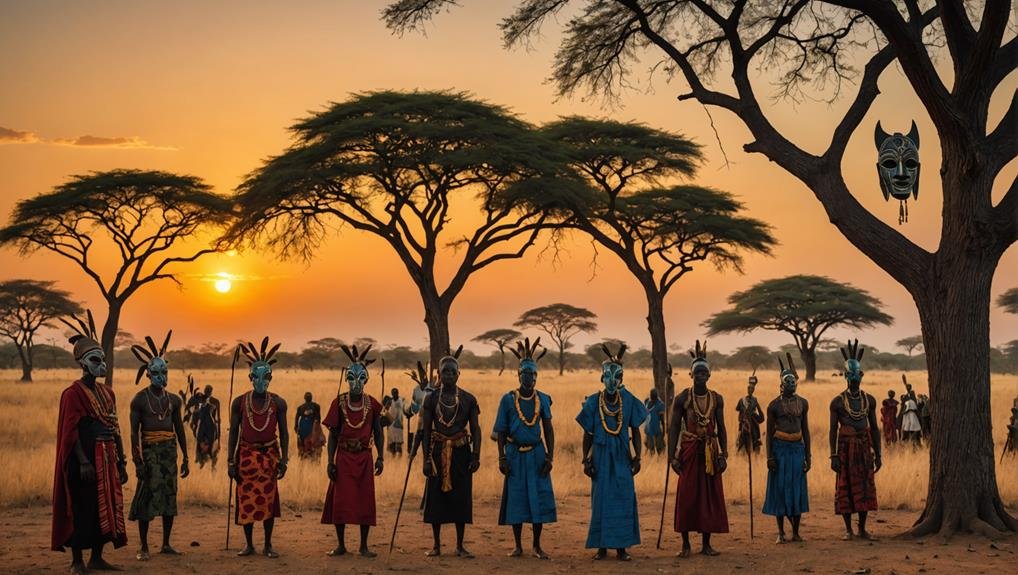
African spirituality is characterized by a deep interconnectedness that binds individuals, ancestors, nature, and the spiritual dimension into a cohesive whole. At its core, this belief system emphasizes that every action resonates through the vast cosmic tapestry of existence, shaping experiences and realities in profound ways.
A central tenet of African spirituality is the reverence for ancestors, which fosters a vital connection to the spirit world. This practice encourages open communication with those who have passed, creating a bridge between the living and the departed.
Rituals and the establishment of sacred spaces play a crucial role in strengthening communal identity and reinforcing the bonds that tie people together.
Nature, likewise, is revered as a living entity, with spirits believed to embody its various forces. This perspective nurtures a sense of responsibility towards the environment, promoting sustainable practices that honor the delicate balance of life.
Furthermore, the belief in the cycle of life and rebirth underscores the importance of transformation rather than an end, reflecting an ethical responsibility towards oneself and the community.
Collectively, these interconnected domains offer a rich tapestry of spiritual life that enhances both collective resilience and identity within African cultures.
Spiritual Insights
- African spirituality emphasizes interconnectedness, highlighting the relationships among humans, nature, ancestors, and the spiritual realm for universal harmony.
- Ancestor reverence fosters community ties through rituals and offerings, enhancing cultural transmission and honoring the influence of ancestors on the living.
- Nature is sacred, with spirits embodying environmental forces, promoting sustainable practices aligned with natural cycles and ancestral wisdom.
- The concept of divinity includes a supreme being and spiritual entities, emphasizing cosmic balance and moral teachings conveyed through sacred texts and personal experiences.
- Life is viewed as a transformative cycle, celebrating death as continuity and reinforcing the importance of collective memory and shared values within communities.
The Interconnectedness of All Things
The Interconnectedness of All Things in African Spirituality
The interconnectedness of all things in African spirituality emphasizes the intricate relationships that bind every aspect of existence—humans, nature, ancestors, and the spiritual realm. This understanding of interconnectedness fosters a recognition that every action creates ripples through the cosmic tapestry of life. The philosophy of interdependence, central to African thought, highlights the importance of maintaining spiritual balance and aligning individual and collective actions with the universal harmony that underscores the interconnectedness of all things.
In various traditions, the essence of African spirituality reinforces the significance of community and shared experiences as vital components in nurturing this interconnectedness. Historical contexts reveal how this holistic perception influences societal structures, placing communal well-being at the forefront while honoring personal aspirations.
Ancestral wisdom acts as a guiding force, reminding individuals of their vital roles within this interconnected framework. The existential awareness born from such beliefs encourages adherents to understand their effects on their immediate environment and the broader universe, emphasizing the far-reaching implications of the interconnectedness of all things.
In contemporary discourse, the interconnectedness of all things invites critical reflections on pressing environmental and social challenges, promoting sustainable practices that respect all forms of life.
Ultimately, the interconnectedness of all things within African spirituality champions a worldview that prioritizes collective responsibility, urging individuals and communities to engage with mindfulness and compassion in a world that frequently fosters isolation and disconnection.
Ancestor Reverence and Communication
Ancestor reverence and communication are fundamental aspects of African spirituality, emphasizing respect for ancestors and their ongoing influence in the lives of the living. Ancestor reverence is often described as ancestor worship, highlighting the crucial role of maintaining a connection with one's ancestral lineage. Through ancestor reverence, individuals seek spiritual guidance, drawing upon the wisdom of their forebears.
Ritual offerings, a key component of ancestor reverence, not only honor ancestors but also facilitate cultural transmission, ensuring that traditions and teachings are passed down through generations.
In the practice of ancestor reverence, sacred spaces such as altars and shrines are vital for fostering communication with the spirit world. These spaces are enriched with ancestral wisdom, where spiritual mediums act as intermediaries, conveying messages from the ancestors to the living. This interaction underscores the importance of ancestor reverence in promoting a sense of belonging and continuity, as individuals are reminded that they are supported by their ancestors.
Additionally, ancestor reverence strengthens communal ties, bringing families and communities together in shared beliefs and rituals, thereby enriching the social fabric of African societies.
The Role of Nature and Spirits
The Role of Nature and Spirits
The role of nature and spirits in African spirituality emphasizes a deep reverence for the interconnectedness of ancestors, nature, and the spiritual realm. In this context, nature spirits are believed to inhabit sacred landscapes and embody the elemental forces of the environment, reinforcing the importance of respecting nature.
The role of nature and spirits is further highlighted through the belief that these spirits act as guardians of ecological balance, guiding communities towards environmental harmony and fostering a profound understanding of spiritual ecology.
Ancestral wisdom within this framework underscores the necessity of aligning human activities with natural cycles, ensuring that practices honor nature and its resources. Healing practices often engage with the energies of these nature spirits, demonstrating the role of nature and spirits in integrating plant medicine and rituals that reflect a holistic understanding of health, which encompasses both physical and spiritual well-being.
Moreover, the historical contexts of African spirituality illuminate a longstanding relationship with the environment, where communities have adapted their lifestyles to the rhythms of nature.
This adaptation reinforces the notion that humanity is an integral part of a greater ecological tapestry, highlighting the role of nature and spirits in promoting sustainability. This perspective is increasingly vital in contemporary discussions on environmental sustainability, advocating for a return to practices that recognize the sacredness of nature and urging a collective responsibility to protect it for future generations.
Importance of Rituals and Ceremonies
Importance of Rituals and Ceremonies
Rituals and ceremonies are fundamental to African spirituality, serving as vital expressions of communal identity and a deep connection to the spiritual realm. These rituals and ceremonies embody significant ritual importance, acting as pathways through which individuals engage with the divine and ancestral spirits. The exploration of the interconnectedness of life is central to these rituals and ceremonies, fostering a profound sense of belonging among participants.
In many instances, these ceremonial practices, deeply entrenched in cultural heritage, utilize rich spiritual symbolism to convey themes of unity, respect, and reverence, often transforming ordinary environments into sacred spaces that enhance community connection.
Through communal participation, these rituals and ceremonies create transformative experiences that exceed the individual experience, highlighting the collective nature of spirituality. Healing rituals, in particular, exemplify how these ceremonies facilitate both physical and emotional restoration, echoing the belief that spiritual well-being is deeply intertwined with communal health.
The historical contexts surrounding these rituals and ceremonies reveal their adaptive nature, showcasing how they reflect changes in societal structures while upholding the core beliefs that unite communities.
Furthermore, the enduring relevance of rituals and ceremonies emphasizes their critical role in cultural continuity, enabling future generations to inherit a rich tapestry of traditions. By examining the importance of rituals and ceremonies in African spirituality, one gains valuable insights into the profound ways these practices shape identity, cultivate belonging, and connect individuals to their ancestral legacies.
Community and Collective Identity
Community and Collective Identity in African Spirituality
Community and collective identity are foundational elements in African spirituality, where individuals derive strength and purpose from shared beliefs and practices. This concept of community and collective identity is deeply intertwined with cultural heritage, which cultivates a profound sense of belonging and continuity across generations.
Within this framework of community and collective identity, the recognition of shared history is crucial, as it fosters communal responsibility and encourages members to support each other in the pursuit of social harmony.
The notion of collective memory plays a vital role in reinforcing community and collective identity, offering a reservoir of shared values that helps groups navigate contemporary challenges. This spiritual unity, rooted in community and collective identity, is not merely theoretical; it is expressed through rituals, gatherings, and communal decision-making, where individuals actively participate in the sacred as a cohesive unit.
Furthermore, the emphasis on mutual support within the context of community and collective identity enhances resilience, empowering communities to flourish despite external pressures and historical injustices.
This interconnectedness is essential for nurturing a sense of belonging, which is pivotal for individual well-being. Ultimately, the African spiritual ethos illustrates that one's identity is inextricably linked to community and collective identity, emphasizing that spiritual and social dimensions are interwoven to create a holistic understanding of existence that surpasses mere individuality.
The Concept of Divinity
Divinity in African Spirituality: Divinity in African spirituality encompasses a rich tapestry of beliefs that reflect the diverse understandings of the sacred. Central to these beliefs is the concept of a divine hierarchy, where a supreme being interacts with various spiritual entities that govern different aspects of life. This hierarchy forms a framework through which moral ethics are articulated, guiding behavior and community values.
The foundational principles of African spirituality emphasize the interconnectedness of all life, highlighting that every spiritual entity plays a role in sustaining this relationship with the community and the cosmos.
Key elements that illustrate the concept of divinity in African spirituality include:
- Divine Intervention: The belief that spiritual entities can influence human affairs, providing guidance or assistance, showcases the active role of divinity in the lives of individuals.
- Cosmic Balance: The understanding that maintaining harmony between the physical and spiritual domains is essential for societal well-being reflects the importance of divinity in achieving equilibrium.
- Sacred Texts: Written and oral traditions that convey spiritual insights, moral teachings, and the narratives of divine interactions are crucial for understanding the role of divinity in cultural transmission.
- Personal Experiences: Individual encounters with the divine often lead to profound spiritual awakening and transformation, underlining the personal aspect of divinity.
These aspects highlight how divinity in African spirituality is not merely a set of beliefs but a complex interplay of historical contexts, social implications, and lived experiences that shape community identity.
Engaging with these concepts fosters deeper awareness of the interconnectedness between the spiritual and material worlds, emphasizing that the understanding of divinity is integral to the collective identity of communities.
The Cycle of Life and Rebirth
The Cycle of Life and Rebirth
The cycle of life and rebirth is a fundamental concept in African spirituality that emphasizes the interconnectedness of existence, death, and renewal. Within this cycle of life and rebirth, life changes are perceived not as definitive endings but as transformative moments that promote spiritual awakening and personal growth.
The cycle of life and rebirth is often understood through karmic cycles, where the actions taken in one life reverberate into the next, influencing destinies through energetic exchanges. Cultural interpretations of the cycle of life and rebirth differ across communities, yet they universally highlight the significance of learning from past lives.
In the context of the cycle of life and rebirth, death is often viewed symbolically as a celebration of continuity, reinforcing the idea that each phase contributes to a more extensive narrative. Historical insights reveal that beliefs in the cycle of life and rebirth have nurtured communal bonds and resilience, empowering individuals to face life's challenges with dignity.
Ultimately, the cycle of life and rebirth in African spirituality encourages profound contemplation of the interconnectedness of all beings, fostering a deeper understanding of one's role in the universe and the effects of one's actions on the collective whole.
Through this lens, the cycle of life and rebirth serves as a guiding principle for navigating the human experience.
Mystical Questions
How Do African Spiritual Beliefs Influence Daily Life Choices?
Incorporating ancestor veneration, individuals often seek moral guidance from their forebears, influencing choices such as community engagement. For instance, a decision to support local initiatives reflects respect for ancestral teachings and cultural continuity.
Are There Specific Texts That Outline African Spirituality?
While there are no universally recognized sacred texts in African spirituality, teachings are primarily conveyed through oral traditions, stories, and rituals, which serve to preserve cultural values and spiritual practices across diverse communities and regions.
How Do African Spiritual Practices Vary Across Different Regions?
African spiritual practices exhibit significant regional variations, influenced by local cultures and histories. Spiritual rituals, such as ancestor veneration and divination, reflect these differences, showcasing the diversity and adaptability of spirituality across the continent.
Can African Spirituality Coexist With Other Religious Beliefs?
African spirituality can coexist with other religious beliefs through interfaith dialogue and spiritual syncretism, allowing for the blending of practices and ideologies, fostering mutual respect and understanding among diverse belief systems within various communities.
What Role Do Women Play in African Spiritual Traditions?
In African spiritual traditions, women embody immense power as female sages, guiding ancestral rites and rituals. Through goddess worship, healing practices, and matriarchal influence, they assert crucial spiritual leadership, nurturing community bonds and fostering collective resilience.


