
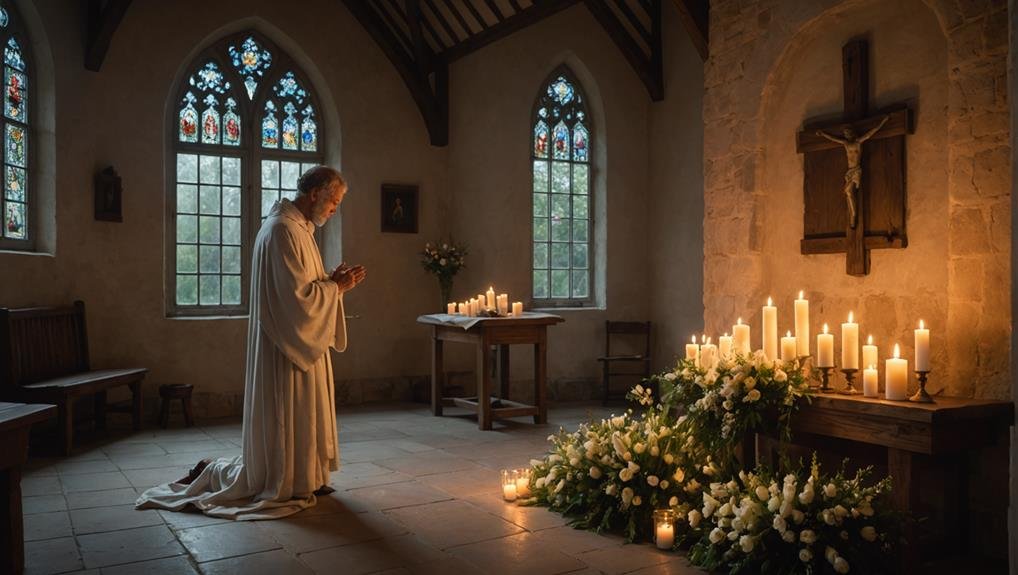
Spiritual Communion Prayer is a vital practice that allows individuals to connect with the divine presence of God when they cannot partake in the physical Eucharist. This form of communion has its roots in early Christian traditions and emphasizes a personal relationship with God, enabling practitioners to experience intimacy through moments of silent reflection and heartfelt dialogue.
Historically, Spiritual Communion developed within monastic communities, where it became a means to transcend physical limitations. This practice not only fosters a sense of emotional healing but also promotes inner peace, particularly during times of isolation.
By reinforcing individual faith in the absence of communal worship, Spiritual Communion encourages believers to re-examine traditional practices and discover transformative experiences that reveal deeper layers of spirituality.
Exploring Spiritual Communion further provides valuable insights into its significance, highlighting its role in enhancing personal faith and enriching the spiritual journey of individuals.
Spiritual Insights
- Spiritual Communion Prayer connects individuals with God in the absence of physical Eucharist, fostering a deep spiritual relationship.
- It allows for personal expression of faith, enhancing individual spirituality without traditional communion's physical elements.
- Practitioners often experience emotional healing, renewed hope, and inner peace during times of isolation or uncertainty.
- The practice strengthens communal ties, encouraging shared spiritual experiences that deepen collective faith journeys.
- Spiritual Communion invites reflection on evolving expressions of spirituality, reshaping understanding of communal worship in modern contexts.
Definition of Spiritual Communion Prayer
Spiritual Communion Prayer is a practice that enables individuals to connect with the divine presence of God when physical reception of the Eucharist is not possible.
This form of prayer serves as a crucial means of fostering a spiritual connection with the divine, allowing believers to experience communion with God despite the absence of the sacramental elements of bread and wine.
As highlighted in the exploration of its significance, deepening faith through Spiritual Communion can lead to a more profound sense of divine intimacy.
Fundamentally, Spiritual Communion Prayer acknowledges the deep yearning for divine intimacy that transcends physical limitations, inviting individuals to engage in a profound dialogue with their Creator.
Historical Context and Origins
Spiritual Communion Prayer, rooted in early Christian tradition, represents a profound means of connecting with God beyond the physical reception of the Eucharist. The practice began to gain prominence during the medieval period, as societal changes and theological implications encouraged believers to seek deeper connections with the divine, even when unable to partake in the sacrament.
This pursuit aligns with the understanding that spiritual gifts play an essential role in empowering believers in their faith, as explored in unlocking the power of spiritual gifts.
Key aspects of the historical context include:
- Early Church Teachings: The writings of Church Fathers emphasized the importance of inner communion with Christ.
- Medieval Practices: Monastic communities developed Spiritual Communion as a means to maintain spiritual significance amidst physical separation from the Eucharist.
- Theological Evolution: The concept evolved to include a broader understanding of grace, highlighting the significance of intention in seeking divine union.
- Liturgical Developments: Over time, various rites incorporated Spiritual Communion, reflecting its growing acceptance in mainstream worship.
These elements illustrate how Spiritual Communion Prayer not only facilitated individual piety but also engaged with broader theological discussions, shaping the faith landscape throughout history and influencing contemporary spiritual practices.
Benefits of Spiritual Communion Prayer
Benefits of Spiritual Communion Prayer: Spiritual Communion Prayer allows individuals to connect deeply with God, even in the absence of the physical Eucharist, fostering a unique intimacy with the divine.
Through the practice of Communion Prayer, individuals can experience a profound opportunity for reflective communion, enhancing their relationship with the divine. Many practitioners report feelings of healing energy during these moments of prayer, as they open themselves to God's grace, facilitating emotional and spiritual restoration.
As emphasized in spiritual counseling, the transformative nature of these practices can lead to significant personal growth and healing, ultimately enhancing one's overall well-being and spiritual journey.
Additionally, individuals often find that this practice cultivates inner peace, serving as a sanctuary amidst the chaos of modern life. In a world where physical separation from communal worship is increasingly common, Spiritual Communion Prayer offers a viable alternative, enabling believers to maintain their faith and spiritual practices.
Historically, the Church has recognized the significance of spiritual engagement, acknowledging that the essence of faith transcends mere physicality. This understanding not only empowers individuals to seek solace in their personal relationship with God but also highlights the social implications of spiritual practices in a diverse and fragmented society.
In essence, Spiritual Communion Prayer stands as a testament to the enduring power of faith, facilitating healing and tranquility in the lives of those who embrace it.
How to Practice Spiritual Communion
How to Practice Spiritual Communion: Spiritual Communion is a reflective practice that fosters a deep connection with the divine, enhancing both personal faith and community bonds.
While engaging in Spiritual Communion, individuals can create a sacred space that invites the presence of the divine, allowing for a more profound connection. This practice encourages participants to engage in silent reflection and cultivate a mindful intention, fostering a deeper understanding of their faith.
Additionally, this communion can serve as a means of personal transformation, helping individuals find purpose and inner peace through spiritual guidance, which can enhance emotional well-being and community ties finding purpose through spiritual guidance.
To effectively practice Spiritual Communion, one may consider the following steps:
- Prepare Your Environment: Choose a quiet, serene space free from distractions, such as a dedicated prayer corner or a natural setting.
- Set an Intention: Before beginning, articulate a clear intention that reflects your spiritual desires or needs, allowing this to guide your meditation.
- Engage in Silent Reflection: Spend time in contemplative silence, focusing on the divine presence. This could involve breathing exercises or visualization techniques that help center your thoughts.
- Invoke Spiritual Connection: Conclude your practice by expressing gratitude and inviting the divine into your life, reinforcing your intention and acknowledging the transformative power of this communion.
Through these steps, Spiritual Communion transforms not only individual faith practices but also reinforces communal ties, thereby contributing to a broader understanding of spirituality in contemporary society.
Spiritual Communion vs. Traditional Communion
Spiritual Communion and Traditional Communion represent two distinct approaches to engaging with the divine, each with its own practices and intentions.
Understanding the nuances between Spiritual Communion and Traditional Communion reveals significant differences in practice and intention. Traditional Communion, rooted in sacramental significance, is a physical act involving the Eucharist, where believers consume bread and wine as a representation of Christ's body and blood. This practice is deeply embedded in historical faith traditions, emphasizing community and the tangible presence of the divine.
Embracing spirituality can enhance this communal experience, allowing individuals to deepen their connection to the divine and foster personal growth through shared rituals and traditions.
In contrast, Spiritual Communion serves as a more individualized expression of faith, allowing believers to connect with the divine without the physical elements of the Eucharist. This form of communion is particularly relevant in contemporary contexts where access to Traditional Communion may be restricted, such as during pandemics or for those unable to attend services.
While the sacramental significance of Traditional Communion fosters a sense of belonging within the faith community, Spiritual Communion highlights personal intent and spiritual yearning, reflecting a shift towards more individualized spiritual practices.
Ultimately, the distinction between the two forms of communion not only illustrates differing theological perspectives but also underscores the evolving nature of faith practices in response to societal changes, inviting believers to explore diverse avenues for spiritual engagement.
Personal Testimonies and Transformations
Personal Testimonies and Transformations: The Impact of Spiritual Communion on Individual Faith Journeys
Numerous individuals have shared their unique experiences with Spiritual Communion, highlighting its profound impact on their personal faith journeys. This practice resonates deeply with those embracing spiritual awakening, as it fosters a sense of connection and purpose.
Through testimony sharing, participants articulate how this contemplative practice has transformed their spiritual landscapes, fostering deeper connections with the divine, particularly in times of isolation or uncertainty.
- Renewed Hope: Many have reported a resurgence of hope and purpose, re-energizing their commitment to faith amidst worldly challenges.
- Enhanced Understanding: Participants often express an enriched comprehension of their beliefs, allowing for a more profound engagement with scripture and spiritual teachings.
- Emotional Healing: For some, Spiritual Communion has served as a catalyst for emotional healing, enabling them to process grief and anxiety through a sacred lens.
- Community Bonds: Testimonies frequently illustrate how shared experiences of Spiritual Communion have strengthened communal ties, creating a collective journey that transcends individual struggles.
These narratives not only illuminate the transformative potential of Spiritual Communion but also reflect broader social implications, challenging traditional notions of communion and inviting a re-examination of how spirituality can be expressed in contemporary contexts.
In this way, these personal testimonies enrich the discourse surrounding faith journeys and communal worship.
Mystical Questions
Can Anyone Practice Spiritual Communion, Regardless of Their Faith Background?
Can anyone practice spiritual communion, regardless of their faith background?
What are some of the benefits of engaging in spiritual communion?
How does spiritual communion differ from traditional communion practices?
What role does intention play in the practice of spiritual communion?
Can spiritual communion be a part of everyday life, or is it reserved for specific occasions?
How can individuals from different faith backgrounds find common ground through spiritual communion?
How Does Spiritual Communion Relate to Personal Spirituality and Growth?
How does spiritual communion contribute to an individual's personal spirituality and growth?
In what ways can spiritual communion enhance one's faith journey?
What transformative experiences are commonly associated with spiritual communion?
How does the practice of spiritual communion impact personal insights in spirituality?
What role does spiritual communion play in deepening the connection with the divine?
Can spiritual communion lead to significant changes in one's spiritual beliefs or practices?
Are There Specific Prayers or Texts for Spiritual Communion?
What are some specific prayers or texts that can enhance the experience of spiritual communion?
How can these prayers facilitate a deeper connection with the divine?
Are there particular traditions or practices associated with these sacred texts?
How do different faiths approach the concept of spiritual communion through prayers?
Can personal prayers be as effective as traditional texts in fostering spiritual communion?
Can Spiritual Communion Be Practiced in Groups or Only Individually?
Can Spiritual Communion be practiced in groups or only individually?
What are the benefits of practicing Spiritual Communion in a group setting?
How does group Spiritual Communion enhance individual experiences?
What communal rituals can be incorporated into group Spiritual Communion?
How can participants deepen their connections during group Spiritual Communion?
Are there specific guidelines or practices for conducting group Spiritual Communion?
What Role Does Intention Play in the Effectiveness of Spiritual Communion?
What role does intention play in the effectiveness of spiritual communion?
How does the clarity of intention impact focus during spiritual practices?
In what ways can heightened awareness influence one's spiritual journey?
Can the transformative power of spiritual communion be enhanced through intentional practices?
How do different intentions affect the depth of connections formed during spiritual communion?
What are some techniques to cultivate intention for a more effective spiritual communion experience?


