
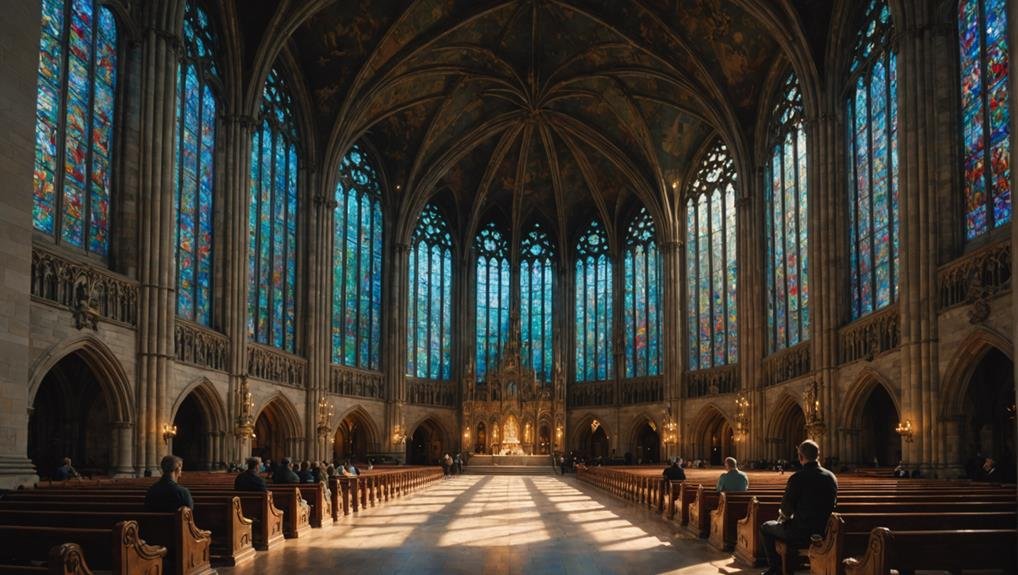
Religious and spiritual beliefs represent two distinct approaches to understanding existence and our place within it. While both seek to address existential questions and provide meaning, their structures, practices, and individual engagements differ significantly.
Religious beliefs are typically characterized by organized doctrines and hierarchical authorities. They often include communal rituals that are deeply rooted in specific historical and cultural contexts. These frameworks provide followers with a sense of belonging and guidance through established teachings and sacred texts.
On the other hand, spiritual beliefs prioritize personal growth and adaptability. They encourage individuals to explore meaning in a fluid manner, often outside traditional religious structures. Spirituality emphasizes the importance of individual experiences and universal principles, which fosters inclusivity and a broader understanding of ethics.
Additionally, spirituality promotes a sense of interconnectedness with the universe, leading to holistic perspectives on existence. This focus on personal exploration and the interconnectedness of life contrasts with the more structured approach of organized religions.
Together, these distinctions shape the individual journeys people embark on in their quest to understand life's complexities, inviting a richer exploration of diverse perspectives and experiences.
Spiritual Insights
- Religious beliefs are structured systems centered around deities, while spiritual beliefs focus on personal meaning and connection.
- Religious organizations have hierarchical structures, whereas spiritual organizations emphasize fluidity and personal autonomy.
- Religious practices involve standardized rituals, while spiritual practices are adaptive and personalized, often fostering introspection.
- Faith communities provide emotional support and shared purpose, while spiritual journeys prioritize individual exploration and connection with like-minded individuals.
- Religious purpose is static and community-focused, while spiritual purpose embraces personal growth and evolving understanding of meaning.
Definition of Religious Beliefs
Definition of Religious Beliefs
Religious beliefs are structured systems of faith and worship centered around a particular deity or deities. When discussing religious beliefs, it is crucial to recognize that these beliefs have historically emerged in diverse cultural contexts, influenced by geographical, social, and political factors.
For example, the development of monotheistic religions such as Christianity and Islam can be linked to specific historical events and cultural shifts that shaped their foundational tenets.
Cultural influences are a significant aspect of religious beliefs, as they reflect the values, norms, and traditions of the societies where these religious beliefs thrive. In ancient civilizations, polytheistic beliefs often served to explain natural phenomena and establish social order, while contemporary religious beliefs may address modern ethical dilemmas and societal challenges.
Moreover, the interaction between various religions has spurred the phenomenon of syncretism, where elements of different faiths merge, showcasing the dynamic interplay of historical context and cultural adaptation in shaping religious beliefs.
Understanding these complexities is vital for appreciating how religious beliefs not only provide a sense of identity and community for individuals but also influence broader societal structures and interrelations among diverse populations.
Thus, the exploration of religious beliefs is essential for grasping their profound impact on human experience and society.
Definition of Spiritual Beliefs
Definition of Spiritual Beliefs
Spiritual beliefs refer to a diverse range of personal convictions and practices centered around the quest for meaning, purpose, and a connection to something greater than oneself. These spiritual beliefs are marked by a focus on spiritual growth and self-discovery, setting them apart from conventional religious structures that often enforce specific doctrines or rituals. Individuals who engage in the exploration of spiritual beliefs typically seek to comprehend their role in the universe, fostering a sense of interconnectedness with others and their environment.
This personal journey within spiritual beliefs is deeply rooted in the aspiration for individual growth and frequently involves adopting various spiritual practices, such as meditation and mindfulness, which are essential for nurturing a deeper relationship with oneself and the universe.
Historically, spiritual beliefs have adapted to cultural transformations and societal shifts, mirroring humanity's ongoing quest for understanding beyond the physical realm. For instance, the emergence of New Age movements in the late 20th century highlighted a collective desire for holistic practices that prioritize personal experience over institutional authority.
This pursuit inherent in spiritual beliefs promotes introspection and self-awareness, encouraging individuals to delve into a variety of philosophies, meditation techniques, and alternative healing practices.
The consequences of these spiritual beliefs extend beyond personal satisfaction, playing a significant role in broader social movements that advocate for mindfulness, environmental awareness, and ethical living. As such, spiritual beliefs function not only as a pathway for individual exploration but also as catalysts for societal change, fostering a deeper sense of community and shared purpose among those who embrace them.
Organizational Structure
Organizational Structure of Spiritual Beliefs
The organizational structure of spiritual beliefs is characterized by its fluidity and decentralization, allowing individuals to forge their own paths in their spiritual journeys. This organizational structure of spiritual beliefs stands in stark contrast to the hierarchical frameworks commonly found in traditional religions. The flexibility inherent in the organizational structure of spiritual beliefs fosters personal interpretations and experiences, enabling individuals to connect with the divine on their own terms.
In many spiritual contexts, the organizational structure of spiritual beliefs often features an absence of hierarchical authority, which gives rise to diverse governance models that prioritize individual autonomy over institutional influence. Leadership roles within these spiritual communities may be informal, emerging organically and emphasizing collaboration rather than command. This aspect of the organizational structure of spiritual beliefs facilitates a variety of membership criteria, which can be inclusive or exclusive depending on the group's focus.
Unlike traditional religions that typically enforce doctrinal adherence to maintain unity, the organizational structure of spiritual beliefs embraces a plurality of perspectives, encouraging personal interpretation and growth. The missions of these organizations are frequently centered around personal development, community outreach, and holistic well-being, rather than strict adherence to a prescribed set of beliefs.
This distinctive approach within the organizational structure of spiritual beliefs cultivates environments where individuals can explore their spirituality without the constraints of rigid institutional frameworks. As a result, the lack of a fixed structure can lead to dynamic community engagement that adapts to contemporary social needs, reflecting a broader understanding of spirituality that is less about governance and more about shared experiences and interconnectedness among members.
Rituals and Practices
Rituals and Practices
Rituals and practices within spiritual beliefs are defined by their personal and adaptive nature, showcasing the diverse experiences of individuals. Unlike the structured ceremonial rituals of organized religions, spiritual practices are often fluid, allowing for personalization and individual interpretation. Meditative practices, a key component of these rituals and practices, serve as a means of introspection and self-discovery, enabling practitioners to cultivate inner peace and mindfulness without the constraints of dogma. This emphasis on personal connection in rituals and practices can be seen as a contrast to the distinctions between spirituality and religion, where spiritual practices prioritize individual experience over institutional doctrine.
Moreover, the rituals and practices of spirituality vary widely, often drawing upon sacred traditions from various cultures, which can lead to the incorporation of elements from multiple belief systems. This eclecticism within rituals and practices fosters a unique spiritual landscape where individuals may blend techniques such as yoga, mindfulness meditation, and energy healing, ultimately shaping their spiritual journeys.
Historically, such rituals and practices can be traced back to ancient civilizations that emphasized the importance of personal connection to the divine, contrasting sharply with the rigid frameworks of institutional religions. As societal values evolve, the appeal of spiritual beliefs that prioritize personal experience through rituals and practices over doctrine continues to grow, reflecting broader shifts in human consciousness and the quest for meaning in an increasingly complex world.
Community and Belonging
Community and Belonging in Spiritual Journeys
Community and belonging are fundamental aspects of spiritual journeys, as many individuals seek connection with others who share similar values and beliefs. This pursuit of community and belonging often leads to the establishment of faith communities, which serve as essential spaces for social connections and cultural influences.
Within these faith communities, the power of small groups emerges, enhancing spiritual formation through shared experiences and collective accountability. Here, members experience a profound sense of belonging through shared values, cultivating a collective group identity that is critical to their spiritual development.
Key aspects of belonging experiences within faith communities include:
- Support Networks: Within faith communities, members often depend on each other for emotional and spiritual support, fostering a safety net that bolsters individual resilience and reinforces the significance of community and belonging.
- Cultural Traditions: Faith communities typically celebrate cultural influences that enrich their shared practices, further strengthening the sense of belonging through rituals and communal events that highlight the importance of community and belonging.
- Collective Purpose: By participating in shared goals and missions, individuals within faith communities reinforce their group identity and deepen their commitment to the community, emphasizing how collective efforts enhance the experience of community and belonging.
In conclusion, these elements highlight the crucial role of community and belonging in spiritual life, demonstrating how such experiences can profoundly influence personal growth and social cohesion.
The dynamic relationship between individual spirituality and community and belonging remains an essential area for further exploration, particularly in an increasingly fragmented society.
Personal Experience vs. Doctrine
Personal Experience vs. Doctrine
The tension between personal experience and established doctrine is a fundamental aspect of spiritual exploration. This dynamic, particularly pronounced within religious contexts, highlights how doctrinal teachings often serve as authoritative guidelines, setting boundaries for belief and practice. However, personal experiences can lead individuals to diverge from these prescribed norms, creating unique interpretations of their spirituality. This divergence exemplifies a growing trend toward understanding the divide between spirituality and religion, where personal belief systems are increasingly valued.
Experiential insights—gained from moments of profound connection or revelation—challenge the rigidity of established beliefs, emphasizing the importance of personal experience in fostering authenticity among practitioners. Historically, movements like the Reformation arose from this very friction, with figures such as Martin Luther championing personal faith experiences over institutional dogma. This historical context underscores the significance of personal experience in shaping spiritual journeys.
Moreover, prioritizing personal experience over doctrine can have far-reaching social implications, promoting inclusivity and a broader appreciation of diverse spiritual expressions. This shift not only enhances the individual's spiritual life but also invites a critical re-examination of the role and relevance of doctrinal teachings in contemporary society.
Ultimately, the interplay between personal experience and doctrine reflects a broader quest for meaning, encouraging individuals to navigate their spiritual paths with a balance of respect for tradition and openness to personal discovery.
Purpose and Meaning
Purpose and Meaning
Purpose and meaning play a crucial role in shaping the human experience, guiding individuals through their spiritual journeys. The concepts of purpose and meaning influence how people perceive their existence and navigate the complexities of life. Both religious and spiritual beliefs address fundamental questions about one's place in the universe and the pursuit of personal fulfillment, yet the interpretation of purpose and meaning often diverges between these two frameworks.
In religious contexts, purpose is often defined by established doctrines, community roles, and divine will, anchoring the individual within a collective understanding of purpose and meaning. On the other hand, spirituality tends to emphasize personal understanding and self-discovery, allowing individuals to define their own purpose and meaning in a more personal context.
This distinction between religious and spiritual interpretations of purpose and meaning can be illustrated through three key elements:
- Community vs. Individuality: In religious beliefs, purpose and meaning are typically aligned with shared goals and values within a community. In contrast, spirituality encourages personal exploration and individual interpretations of purpose and meaning.
- Doctrine vs. Experience: Religious frameworks provide a foundation based on established texts and teachings, which shape the understanding of purpose and meaning. Conversely, spiritual paths prioritize personal experiences and intuition as the primary sources of understanding purpose and meaning.
- Fixed Purpose vs. Evolving Meaning: Within religious contexts, purpose is often perceived as a static and divinely ordained aspect of life. In contrast, spirituality embraces a more fluid and evolving approach to understanding one's purpose and meaning, allowing for growth and change over time.
Ultimately, the exploration of purpose and meaning is vital not only for individual lives but also for reflecting broader societal values. This exploration influences how communities engage with the complexities of human existence, shaping their collective understanding of purpose and meaning.
Approach to Morality
Approach to Morality: The approach to morality centers on how individuals discern ethical principles and navigate the complexities of right and wrong.
Morality serves as a fundamental framework through which individuals navigate ethical dilemmas and make decisions about right and wrong. Within the context of religious beliefs, the approach to morality is often dictated by sacred texts and dogmatic principles, providing a structured ethical framework that prescribes specific behaviors and consequences.
Conversely, the approach to morality within spiritual beliefs tends to embrace moral relativism, wherein individuals assess ethical questions based on personal experiences and universal principles, rather than adhering to fixed guidelines. This divergence reflects a broader historical context, where religious morality has often been intertwined with societal norms, influencing laws and cultural practices.
Additionally, many individuals find that the approach to morality through spirituality allows for personal growth and reinterpretation of ethical standards, leading to a more individualized moral compass.
In contrast, the approach to morality promoted by spirituality fosters a more fluid understanding of ethics, allowing for the evolution of frameworks that adapt to contemporary challenges. For example, while traditional religious views might oppose certain behaviors, the approach to morality from a spiritual perspective may prioritize the intent and context behind actions, fostering compassion and understanding.
This distinction highlights the social implications of morality, demonstrating how religious frameworks can sometimes perpetuate exclusion, while spiritual approaches may encourage inclusivity. Hence, the approach to morality reveals critical insights into the values and priorities of individuals, shaping not only personal identities but also collective societal norms.
Interconnectedness With the Universe
Interconnectedness With the Universe
Interconnectedness with the universe refers to the profound relationship that individuals share with the broader cosmos, emphasizing how every person's existence is intricately linked to all living beings and the environment. This interconnectedness with the universe fosters a sense of cosmic awareness, inviting individuals to recognize their universal connection, which is often absent in traditional religious frameworks that emphasize individual accountability to a deity rather than a communal bond with the cosmos.
Embracing this interconnectedness with the universe can lead to deeper personal growth and self-discovery, as it aligns with the understanding that spirituality shapes our individual journeys.
Historically, various spiritual traditions have emphasized this interconnectedness with the universe, nurturing awareness of our role within it. An analytical examination reveals several critical facets of interconnectedness with the universe:
- Shared Existence: All entities, from flora to fauna, contribute to the ecological balance, highlighting our dependence on one another in the interconnectedness with the universe.
- Collective Consciousness: The idea that thoughts and emotions can influence the universal fabric suggests a shared energetic field among all beings, reinforcing the interconnectedness with the universe.
- Environmental Stewardship: A conscious awareness of our actions' impact on the planet fosters responsibility for its health and sustainability, further emphasizing the importance of interconnectedness with the universe.
Thus, the exploration of interconnectedness with the universe not only enriches personal spirituality but also advocates for a collective ethical framework, urging individuals to act harmoniously within the larger tapestry of existence.
Mystical Questions
How Do Religious Beliefs Influence Mental Health and Well-Being?
Religious beliefs greatly influence mental health and well-being by providing structured faith practices that promote resilience. Additionally, community support fosters social connections, enhancing emotional stability and reducing feelings of isolation, ultimately contributing to overall psychological health.
Can Someone Be Both Religious and Spiritual Simultaneously?
Indeed, the heart can be both a chapel and a sanctuary. Individuals often intertwine religious practices with personal spiritual experiences, creating a rich tapestry of belief that nurtures their mental well-being and fosters profound connections.
What Role Does Culture Play in Shaping Religious and Spiritual Beliefs?
Culture considerably influences belief systems by shaping cultural identity, which in turn affects perceptions of spirituality and religion. These elements intertwine, guiding individuals in their understanding and expression of their spiritual and religious experiences.
How Do Religious and Spiritual Beliefs Affect Decision-Making?
Religious and spiritual beliefs greatly influence decision-making, particularly in ethical dilemmas. They shape personal values, guiding individuals in evaluating choices, fostering moral considerations, and determining actions that align with their overarching belief systems and principles.
Are There Any Common Misconceptions About Being Spiritual?
Common misconceptions about being spiritual include the belief that it requires specific rituals or dogmas. In reality, spiritual practices are often personal and flexible, fostering individual exploration and personal growth without the need for structured beliefs.


