
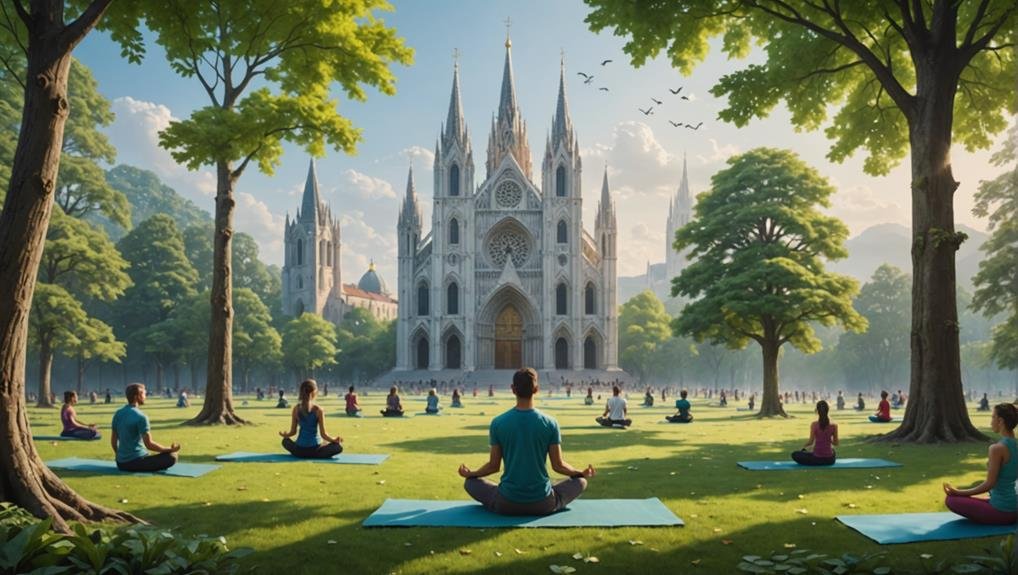
Spirituality and religion are two distinct concepts that often intersect yet possess unique characteristics. Spirituality refers to a personal journey focused on seeking meaning, self-discovery, and inner peace. It emphasizes individual experiences and transformative moments that guide one's understanding of existence.
In contrast, religion encompasses structured beliefs and practices, often rooted in sacred texts and communal rituals that shape moral values and foster a sense of collective identity.
The differences between spirituality and religion can be traced back to their historical contexts. Spirituality allows for fluid interpretation and personal exploration, empowering individuals to define their own paths.
Meanwhile, religion provides a more fixed set of beliefs and practices that unify a community under shared values and traditions. This distinction is crucial as it not only enriches personal growth but also underscores the significance of community cohesion.
Understanding the dynamics between spirituality and religion reveals the complexities of modern identities. As individuals navigate their personal beliefs and communal affiliations, they reflect broader societal shifts that warrant further exploration.
By recognizing these differences, one can appreciate the intricate balance between individual pursuits and collective practices in the realm of spirituality and religion.
Spiritual Insights
- Spirituality emphasizes personal experiences and self-discovery, while religion focuses on organized beliefs and community frameworks.
- Spirituality allows for fluid interpretations of the divine, whereas religion adheres to defined doctrines and sacred texts.
- Personal beliefs in spirituality are flexible and evolve with individual experiences, unlike the rigid nature of institutional religious beliefs.
- Rituals in spirituality prioritize individual reflection, while religious rituals typically involve community gatherings and sacred ceremonies.
- Both spirituality and religion impact daily life by shaping routines, ethical living, and emotional resilience, but in different contexts.
Defining Spirituality
Defining Spirituality: Spirituality is fundamentally characterized by a personal quest for meaning and connection that transcends the material world.
Although spirituality can take many forms, this personal quest for spirituality often unfolds through experiences of spiritual awakening, wherein individuals engage in self-discovery, leading to profound personal growth and inner peace. Central to this exploration of spirituality are mindfulness practices that cultivate awareness and presence, allowing individuals to navigate their inner landscapes with greater clarity.
As noted in many spiritual guides, including unlocking the essence of spirituality, embracing a variety of practices can greatly enhance one's spiritual journey.
A holistic approach to spirituality integrates various dimensions of existence, embracing not only tangible experiences but also metaphysical beliefs that transcend conventional understanding. Transcendental experiences, often described as moments of profound insight or unity with the universe, serve as pivotal milestones in many spiritual journeys.
Such experiences can challenge existing worldviews, prompting individuals to reevaluate their life's purpose and their connections to others and the cosmos.
Historically, the rise of spiritual movements has often paralleled societal shifts, reflecting a collective yearning for deeper understanding amid materialism. As individuals increasingly seek alternative pathways for fulfillment, spirituality emerges as a dynamic and evolving paradigm, offering a rich tapestry of practices and insights for those willing to undertake this transformative odyssey of spirituality.
Understanding Religion
Understanding Religion
Understanding religion involves exploring organized systems of beliefs, practices, and values that shape moral conduct and provide a framework for interpreting the divine. Religion, as a concept, addresses fundamental existential questions, offering a sense of purpose and community to its followers.
The intricate relationship between religion and belief structures is reflected in several key elements:
- Sacred texts are central to understanding religion, serving as authoritative guides that transmit teachings to shape moral frameworks and ethical behaviors across generations. These texts often provide deep spiritual insights, illustrating the key distinctions between different belief systems within religion.
- Cultural influences are crucial in understanding religion, as they significantly affect how religious practices are expressed. Traditions and rituals within religion often reflect the values of the society in which they are practiced.
- Divine experiences play a vital role in understanding religion, whether they are personal or communal. Such experiences foster a profound connection between believers and the divine, prompting philosophical inquiries about existence and the nature of reality.
Historically, understanding religion has been instrumental in shaping societies, influencing laws, and fostering community cohesion. It has also sparked important debates around tolerance and pluralism.
Key Differences Explained
Key Differences Between Spirituality and Religion
A fundamental distinction between spirituality and religion lies in their scope and approach to the divine. Spirituality often emphasizes personal experience and individual paths toward a spiritual awakening, allowing for a more fluid interpretation of the divine that transcends traditional doctrines. This aspect of spirituality encourages seekers to explore and connect with the divine in a manner that resonates with their personal beliefs and experiences, often leading to a more inclusive and diverse understanding of spirituality as a whole.
In contrast, religion tends to be structured, encompassing organized systems of beliefs, rituals, and communal practices that seek to connect individuals to a higher power within defined frameworks. Understanding the differences between spirituality and religion is essential for appreciating the varied expressions of faith today.
Moreover, the religious diversity inherent in various faiths highlights the different interpretations of the divine, as each religion offers distinct narratives and practices aimed at fostering community and shared values. While spirituality may embrace a broader spectrum of beliefs, often drawing from multiple religious traditions, religion typically aligns with specific teachings and texts that guide followers in their spiritual journeys.
This divergence between spirituality and religion raises important considerations regarding the implications of belief systems on personal identity and societal cohesion. As individuals navigate the tension between spiritual freedom and religious adherence, the interplay of spirituality and religion reflects broader historical shifts and contemporary debates about the nature of faith in an increasingly pluralistic world.
Ultimately, understanding these key differences between spirituality and religion encourages a deeper appreciation of both individual and collective spiritual expressions.
Personal vs. Institutional Beliefs
The distinction between personal and institutional beliefs serves to highlight the contrasting nature of spirituality and religion. Personal beliefs, which are inherently individualistic, evolve from personal experiences and reflections, while institutional beliefs are grounded in established doctrines and rituals that shape collective identities.
Consider the following aspects that emphasize the distinction between personal and institutional beliefs:
- Flexibility vs. Rigidity: Personal beliefs exhibit flexibility, allowing individuals to adapt and transform their understanding of spirituality. In contrast, institutional beliefs often embody rigidity, adhering to traditional frameworks that can limit exploration.
- Emotional Resonance vs. Dogmatic Adherence: Personal beliefs resonate emotionally, nurturing a unique connection to the divine or the universe. On the other hand, institutional beliefs may focus on dogmatic adherence to sacred texts or leadership, which can obscure personal spiritual experiences.
- Individual Journey vs. Communal Identity: Personal beliefs reflect the individual journey toward meaning and understanding, while institutional beliefs cultivate a communal identity, often prioritizing shared values over personal interpretations.
This dichotomy between personal and institutional beliefs not only shapes the spiritual landscape but also influences social dynamics, prompting critical reflections on how these beliefs are formed, maintained, and challenged within various cultural contexts.
Rituals and Practices
Rituals and Practices in Spirituality and Religion
Rituals and practices are integral elements of spirituality and religion, serving to express and reinforce beliefs and values within individuals and communities. Engaging in rituals and practices fosters personal growth in spiritual contexts, while in religious contexts, these rituals and practices often promote community cohesion. Spiritual rituals and practices emphasize individual reflection and meditation, whereas religious rituals and practices typically involve sacred ceremonies and gatherings that unite participants. These rituals and practices are not mere performances; they are transformative experiences that shape ethical teachings and guide spiritual journeys.
The following table illustrates the distinctions and overlaps between spiritual and religious rituals and practices:
| Aspect | Spiritual Practices | Religious Practices |
|---|---|---|
| Focus | Personal growth | Community cohesion |
| Examples | Meditative practices | Sacred rituals |
| Purpose | Mindful observances | Ethical teachings |
Ultimately, both spiritual and religious rituals and practices serve essential functions in their respective contexts. They provide frameworks for understanding life's complexities and foster connections to transcendent experiences, highlighting the intricate tapestry of human belief systems. Through the lens of rituals and practices, one can appreciate the nuanced relationship between spirituality and religion, recognizing the profound impact these rituals and practices have on individual and societal well-being.
Community and Connection
Community and Connection in Spiritual and Religious Contexts: Community and connection are essential elements that shape individual experiences and relationships within both spiritual and religious frameworks.
Community and connection manifest differently in spiritual and religious contexts, impacting how individuals engage with one another and the broader universe. In spiritual contexts, community and connection often highlight personal journeys and self-discovery. Individuals frequently seek deeper personal connections through community engagement, often participating in groups that promote mindfulness and holistic practices.
Spiritual gatherings, characterized by open dialogues, workshops, and retreats, nurture connections that transcend traditional boundaries, reinforcing the importance of community and connection in individual faith journeys.
Conversely, religious fellowship emphasizes community and connection through structured worship, rituals, and charitable initiatives. Here, community and connection are rooted in collective beliefs and shared doctrines, fostering a sense of belonging among its members.
The implications of these differing approaches to community and connection are significant. In spiritual contexts, community engagement may prioritize individual journeys, while in religious fellowship, community and connection underscore adherence to collective beliefs.
Both avenues create unique experiences that reflect historical and cultural paradigms, influencing social dynamics. Understanding these differences enhances the discourse surrounding spirituality and religion and illuminates the intricate tapestry of human relationships shaped by community and connection in both domains.
Impact on Daily Life
Impact on Daily Life
The impact of spirituality and religion on daily life is significant, as these belief systems shape behaviors, decision-making, and relationships. Spirituality and religion play a crucial role in how individuals approach their daily routines, often incorporating mindfulness practices to enhance awareness and emotional resilience. By engaging in spirituality and religion, individuals cultivate a deeper understanding of themselves and their surroundings, which helps navigate life's complexities with intentionality.
Additionally, spirituality and religion emphasize ethical living as a guiding principle for followers. Those who identify with spirituality may rely on their personal moral compass, while adherents of religion often turn to established teachings and doctrines. This ethical living influences decisions about consumption, community involvement, and environmental responsibility, demonstrating how spirituality and religion affect various life choices.
Ultimately, the impact of spirituality and religion on daily life extends beyond personal satisfaction; it fosters a sense of duty towards oneself and the wider community. By embracing mindfulness practices and ethical living through spirituality and religion, individuals enrich their own lives and contribute to a more compassionate society.
This connection illustrates the profound relationship between belief systems and everyday actions, reinforcing the importance of spirituality and religion in shaping daily life.
Historical Context
The historical context of spirituality and religion highlights their intricate relationship and evolution throughout human history. Spirituality and religion have developed alongside cultural changes, influencing moral frameworks, social dynamics, and personal identities.
- Ancient Traditions: In early civilizations, spirituality and religion were often intertwined, with communities worshiping multiple deities. These practices incorporated spirituality and religion into daily life, shaping rituals and community events and paving the way for organized religious systems.
- Philosophical Perspectives: The rise of philosophical inquiry in ancient Greece and India catalyzed a deeper exploration of existence, ethics, and the divine, resulting in varied interpretations of spirituality and religion. This philosophical engagement enriched the understanding of what it means to be spiritual or religious.
- Social Implications: Throughout history, spirituality and religion have served as powerful forces for community unity, providing comfort in times of distress and fostering belonging. However, they have also led to conflicts and divisions, highlighting the complex nature of spirituality and religion in shaping human experiences.
As societies progressed, the distinction between spirituality and religion became clearer, reflecting evolving worldviews and cultural values.
This historical overview invites continued examination of how spirituality and religion impact modern life, encouraging individuals to explore their own spiritual and religious identities in a diverse world.
Finding Common Ground
Finding Common Ground
Finding common ground between spirituality and religion is essential for fostering mutual understanding and respect in a divided landscape. The concept of finding common ground encourages engaging in interfaith dialogue as a vital mechanism for exploring shared values that transcend doctrinal differences, highlighting ethical principles that unite various belief systems. Such exchanges focused on finding common ground can facilitate cultural exchange, enriching participants' spiritual journeys and enhancing personal growth.
Many individuals are increasingly drawn to the idea of being spiritual but not religious, as they seek connections to the universe that extend beyond traditional frameworks, reflecting a desire for a more personalized and inclusive approach to spirituality, thereby emphasizing the importance of finding common ground.
Moreover, recognizing the fundamental human quests for life purpose and emotional support can bridge the gap between spiritual and religious communities, reinforcing the idea of finding common ground. By acknowledging that both spirituality and religion share a commitment to community service, individuals can collaborate on initiatives that resonate with their respective beliefs while contributing positively to society.
This collaboration not only promotes mutual respect but also enhances the pursuit of finding common ground, allowing for a deeper appreciation of diverse perspectives.
Thus, through a critical lens, it becomes evident that the intersection of spirituality and religion can lead to transformative experiences, fostering not just individual enrichment but also a collective sense of belonging, all rooted in the concept of finding common ground.
As communities come together, they can create a harmonious environment where differing beliefs are not merely tolerated but celebrated, ultimately enriching the fabric of society and embodying the essence of finding common ground.
Mystical Questions
Can Someone Be Both Spiritual and Religious Simultaneously?
Yes, individuals can embody both spiritual beliefs and engage in religious practices simultaneously. This intersection often enriches personal experiences and fosters community involvement, allowing for a holistic approach to understanding and expressing one's faith.
How Do Spirituality and Religion Affect Mental Health Differently?
Spiritual practices promote personal reflection and emotional resilience, while religious rituals foster community support and shared beliefs. Both avenues can enhance mental well-being, yet their impacts may vary based on individual experiences and preferences.
Are There Specific Symbols Associated With Spirituality vs. Religion?
Spiritual symbols often encompass universal themes like peace and enlightenment, whereas religious icons are specific representations tied to particular faiths, embodying doctrines and beliefs. Both serve significant roles in their respective contexts, fostering connection and understanding.
Can Spirituality Exist Without Any Belief in a Higher Power?
Yes, spirituality can exist without belief in a higher power. Secular spirituality encompasses various spiritual practices focused on personal growth, mindfulness, and connection to the universe, independent of traditional religious frameworks or deities.
How Do Cultures Influence Personal Spirituality and Religious Practices?
Cultural rituals shape spiritual beliefs and communal practices, creating a tapestry of personal experiences that influence individual spirituality. Such dynamics illustrate the profound impact of societal context on one's journey towards understanding and expression of spirituality.


