
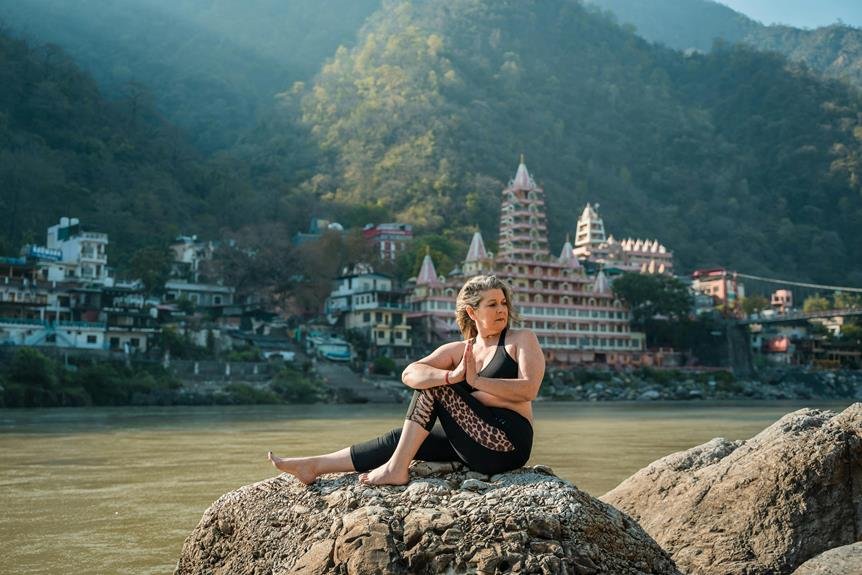
A spiritual retreat is a dedicated space designed for personal transformation through introspection and mindfulness, often drawing from various spiritual traditions and historical practices.
These retreats provide an opportunity for individuals to step away from their daily routines and immerse themselves in a more profound exploration of their spiritual journey.
Participants can expect a range of structured activities that may include guided meditation, nature immersion, and other practices aimed at fostering emotional resilience and community support.
The tranquil environment of a retreat creates an ideal setting for deep self-discovery, allowing individuals to reflect on their inner selves and connect with their spiritual paths.
The communal dynamics of a spiritual retreat encourage vulnerability and collective healing, helping to counteract feelings of societal isolation.
Different types of retreats cater to varying needs; for instance, some may focus on silence and solitude, while others may emphasize specific themes or practices.
This holistic approach to spiritual exploration not only facilitates individual insights but also invites participants to contemplate the broader implications of their spiritual journeys.
Spiritual Insights
- Expect a tranquil environment that fosters contemplation and mindfulness, often surrounded by nature to enhance the spiritual experience.
- Participants engage in various activities like meditation, journaling, and nature immersion, promoting introspection and personal growth.
- Emotional support and community building occur through group dynamics, encouraging trust and deeper connections among participants.
- Personal reflection time is essential, allowing individuals to explore their inner selves and articulate insights through guided prompts.
- Retreats often focus on specific themes or practices, providing structure and enhancing the overall spiritual journey for attendees.
Purpose of Spiritual Retreats
Purpose of Spiritual Retreats
Spiritual retreats aim to provide individuals with a dedicated space to pause, reflect, and deepen their spiritual practice amidst the chaos of modern life. In an increasingly frenetic world, these retreats serve as sanctuaries where participants can engage in intention setting, an essential element for aligning personal aspirations with spiritual goals.
Participants can also explore transformative experiences that enhance their journey of self-discovery and personal growth. This process not only facilitates clarity of purpose but also fosters a deeper connection to one's inner self and the broader universe.
Moreover, mindfulness practices form the cornerstone of many spiritual retreats, providing participants with tools to cultivate awareness and presence. Historically, such practices have roots in various spiritual traditions, from Buddhism to indigenous cultures, emphasizing the importance of being fully engaged in the moment.
The social implications of these retreats are significant, as they encourage individuals to disconnect from societal distractions, thereby promoting introspection and personal growth.
As participants immerse themselves in these environments, they often confront societal norms and expectations, allowing for a transformative experience that can lead to personal and communal healing.
Ultimately, spiritual retreats facilitate a profound journey toward self-discovery, fostering resilience and a deeper understanding of one's spiritual path in a complex world.
Typical Activities Offered
Spiritual retreats typically offer a range of activities aimed at enhancing personal growth and deepening participants' spiritual experiences. Among these activities, meditative practices play an essential role, providing individuals with structured opportunities to explore their inner selves.
Techniques such as mindfulness meditation, guided visualization, and breathwork are commonly employed, each rooted in ancient traditions that underscore the importance of introspection and presence. These practices not only promote mental clarity but also cultivate emotional resilience, allowing individuals to confront inner challenges with greater equanimity. Many retreats also emphasize the transformative potential of a spiritual journey, as highlighted in Transform Your Life at a Spiritual Retreat.
Additionally, nature immersion serves as a significant component of many retreats, acknowledging the historical significance of nature in spiritual traditions across cultures. Engaging with the natural environment—whether through hiking, gardening, or simply sitting in silence among trees—facilitates a deeper connection to oneself and the world.
This connection is essential, as it encourages participants to reflect on their place within the larger tapestry of existence. Together, these activities foster a holistic approach to spirituality, emphasizing the intertwined nature of mind, body, and spirit while promoting a profound understanding of the self in relation to the environment.
Such experiences can be transformative, leaving lasting impacts long after the retreat concludes.
Environment and Setting
The Importance of Environment and Setting in Spiritual Retreats
A conducive environment significantly enriches the experience of a spiritual retreat by creating a space for personal growth and self-discovery. The significance of natural surroundings cannot be overstated; they play a vital role in fostering a tranquil atmosphere conducive to deep contemplation and self-discovery.
Many spiritual retreats, such as those highlighted in transformative experiences, emphasize the healing power of nature, offering insights that deepen your journey. Historically, many spiritual traditions, from Buddhism to indigenous practices, have recognized the importance of nature in facilitating a connection to the divine. These settings often include serene landscapes, such as forests, mountains, or bodies of water, which serve as a backdrop for introspection and healing.
Furthermore, the social implications of retreat locations merit consideration. Urban retreats, while accessible, may lack the essential characteristics of isolation and peace that natural environments provide.
In contrast, retreat centers situated in remote locations often cultivate a sense of community among participants, allowing for shared experiences in a supportive atmosphere. This juxtaposition highlights the potential for personal transformation achieved through the simple act of immersing oneself in nature.
Ultimately, the environment and setting of a spiritual retreat not only enhance individual experiences but also reflect broader cultural values regarding the relationship between humanity and the natural world.
Personal Reflection Time
Personal Reflection Time: Personal reflection time is a crucial aspect of a spiritual retreat, providing individuals the opportunity to delve into their inner selves and foster spiritual growth.
Engaging in personal reflection time is fundamental for maximizing the benefits of a spiritual retreat. This period allows individuals to step away from the distractions of everyday life and explore their inner landscapes, facilitating a profound engagement with one's thoughts and emotions.
Mindfulness practices, such as meditation and deep breathing exercises, serve as essential tools during this time, encouraging participants to cultivate awareness of their present experiences and feelings without judgment. Additionally, nurturing your spiritual well-being is imperative, as it enhances the overall experience of self-exploration.
Moreover, the use of journaling prompts can greatly enhance this reflective process, guiding individuals to articulate their insights and emotions. For example, prompts that explore personal values or transformative experiences can lead to deeper understanding and clarity regarding one's spiritual journey.
Historically, the practice of personal reflection has roots in various spiritual traditions, from contemplative prayer in Christianity to the introspective practices found in Buddhism.
In contemporary society, where distractions are ubiquitous, the intentional act of reflection during a retreat not only fosters self-discovery but also enables individuals to confront and navigate their personal narratives.
This important engagement with one's self is not merely a practice; it is a necessary step towards meaningful spiritual growth and transformation.
Group Dynamics and Support
Group Dynamics and Support in Spiritual Retreats
Group dynamics and support are essential components of spiritual retreats that enhance individual experiences and cultivate a sense of community. Within the framework of a spiritual retreat, these elements play an integral role in fostering deep connections among participants. The Agape Spiritual Center emphasizes the importance of promoting love and unity in these settings, creating an environment where participants can connect deeply with one another.
The interplay among participants can greatly influence personal growth and transformation, as it creates an environment conducive to trust building and emotional safety. Historically, retreats have served as sacred spaces where individuals could commune not only with themselves but also with others, reinforcing the shared human experience.
The collective journey encourages participants to engage in vulnerable sharing, allowing for deeper connections and understanding. Emotional safety is paramount, as it provides a foundation for individuals to express their fears, aspirations, and insights without judgment. In this situation, group dynamics become a catalyst for healing, as shared narratives can validate personal struggles, thereby dismantling feelings of isolation.
Moreover, the social implications of these dynamics extend beyond the retreat itself; participants often carry the lessons of trust and support back into their daily lives, fostering healthier relationships within their communities. Consequently, the group environment not only enhances individual spiritual journeys but also contributes to a broader understanding of interconnectedness and collective well-being in an increasingly fragmented world.
Types of Retreats Available
Types of retreats available offer diverse pathways for individuals seeking spiritual growth and personal transformation. Understanding group dynamics and support enhances the appreciation of these various types of retreats.
Among them, silent retreats are particularly profound, providing participants a unique opportunity to disconnect from the noise of daily life and engage in deep self-reflection. Historically rooted in monastic practices, these retreats emphasize solitude, allowing individuals to cultivate inner peace through silence, fostering a heightened awareness of one's thoughts and emotions. Many participants find that these experiences can transform their lives in unexpected ways, leading to significant personal insights.
Conversely, guided meditations cater to those who prefer a structured approach to spiritual exploration. These retreats often feature experienced facilitators who lead participants through specific meditation techniques, aiming to deepen their spiritual practice while providing community support. This structure can be especially beneficial for novices, offering guidance in traversing complex emotional landscapes.
Additionally, various thematic retreats focus on practices such as yoga, mindfulness, or nature immersion, each providing distinct methodologies that facilitate personal growth.
Benefits of Attending
Advantages of Attending a Spiritual Retreat
Attending a spiritual retreat offers individuals profound opportunities for emotional healing and personal growth through immersive experiences. These retreats create an environment that fosters introspection and mindfulness practices, enabling participants to disconnect from daily distractions and delve deeply into their inner selves. This journey can lead to transformative experiences that resonate on multiple levels.
Engaging in spiritual meditation during these retreats provides valuable tools for unlocking personal development.
- Enhanced self-awareness and clarity of thought
- Deepened emotional healing and release of past traumas
- Stronger connections with nature and the surroundings
- Cultivation of mindfulness practices that can be integrated into daily life
- Opportunity for community and shared experiences with like-minded individuals
Historically, spiritual retreats have served as sanctuaries for individuals seeking refuge from societal pressures, offering a space where introspection promotes healing and renewal.
In today's fast-paced world, characterized by rapid technological advancement, these retreats have become essential avenues for emotional rejuvenation. Mindfulness practices encouraged during these retreats help participants embrace the present moment, fostering deeper emotional understanding and resilience, ultimately enriching their lives upon returning to their everyday environments.
What to Bring Along
What to Bring Along: Thoughtful preparation of packing essentials for a spiritual retreat enhances comfort and supports a fulfilling experience.
Preparing for a spiritual retreat requires thoughtful contemplation of what to bring along to guarantee a fulfilling experience. The selection of packing essentials is vital, as it not only enhances comfort but also supports the immersive nature of the retreat.
Think about incorporating items that resonate with the themes of summer rejuvenation, such as comfortable clothing suitable for both relaxation and meditation, as well as sturdy footwear for potential outdoor activities. Additionally, personal items such as journals, writing utensils, and spiritual texts can facilitate introspection and deepen one's connection to the retreat's objectives.
It is essential to reflect on the historical context of spiritual retreats, which have evolved from monastic traditions to contemporary practices that emphasize individual well-being. This evolution underscores the importance of bringing items that resonate with personal spiritual journeys, encouraging participants to engage meaningfully with the environment and fellow attendees.
Moreover, packing items that promote relaxation, such as a favorite blanket or calming essential oils, can help create a sanctuary amidst communal settings.
Ultimately, the careful curation of packing essentials and personal items fosters an atmosphere conducive to reflection, growth, and transformation, enriching the overall retreat experience for each participant.
Preparing for Your Retreat
Preparing for Your Retreat: A Journey Beyond Logistics
Preparing for a spiritual retreat involves a deep inner journey marked by intention setting and the pursuit of mental clarity, extending beyond mere logistical arrangements. As the retreat approaches, participants should engage in reflective practices that align their expectations with the transformative potential of such an experience, such as those offered at transformative experiences.
Consider the following preparatory steps to enhance your spiritual journey:
- Define your intentions: Clarifying what you wish to achieve will focus your efforts.
- Engage in mindfulness: Regular meditation can provide the mental clarity needed to embrace new insights.
- Create a personal ritual: Establishing a pre-retreat ceremony can deepen your commitment.
- Limit distractions: Disconnecting from technology encourages a more profound connection to the inner self.
- Visualize your experience: Imagining the retreat can evoke anticipation and deepen emotional readiness.
Mystical Questions
Can I Attend a Spiritual Retreat Alone?
Can I attend a spiritual retreat alone?
What are the benefits of going to a retreat by myself?
How can attending a spiritual retreat alone enhance my self-discovery?
What should I prepare for when attending a retreat solo?
Are there specific types of retreats that are more suitable for individuals attending alone?
How can I make the most of my experience at a solo spiritual retreat?
Are Meals Provided During the Retreat?
Are meals provided during the retreat?
What types of meal options are available for participants?
How can I communicate my dietary restrictions before the retreat?
Will there be accommodations for specific dietary needs, such as vegetarian or gluten-free options?
Are the meals prepared on-site or catered from an outside source?
Is there a schedule for meal times during the retreat?
What Is the Typical Duration of a Retreat?
What is the typical duration of a retreat?
How does the length of a retreat impact participant engagement?
What are the benefits of a weekend retreat compared to a week-long retreat?
Are there specific types of retreats that typically last longer or shorter?
How do retreat durations vary across different cultures or practices?
What factors should participants consider when choosing the duration of a retreat?
Can I Participate in Multiple Retreats?
Can one participate in multiple retreats? How do repeated retreats contribute to personal transformation? What are the cumulative benefits of engaging in several retreats? How can thoughtful planning enhance the advantages of attending multiple retreats? In what ways do multiple retreats foster deeper insights and connections in one's spiritual journey?
How Do I Choose the Right Retreat for Me?
What are the key factors to consider when choosing the right retreat for my personal growth?
- What specific objectives do I hope to achieve during the retreat?
- How does the retreat's focus align with my personal intentions?
- What is the ideal duration for me to fully engage in the retreat experience?
- How important is the retreat's location in relation to my comfort and convenience?
- What qualifications and experience do the facilitators have, and how do they align with my needs?


