
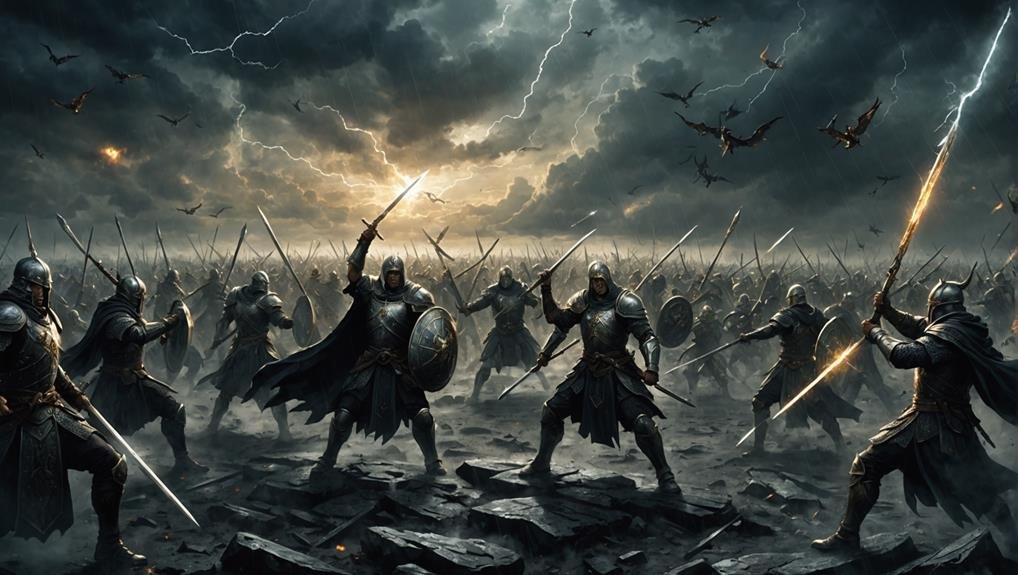
Spiritual warfare refers to the ongoing conflict between good and evil within the spiritual realm, significantly influencing personal beliefs and community interactions. This battle is not merely theoretical; it is a lived experience for many, manifesting through various internal and external struggles that challenge one's spiritual ideologies.
Historically, spiritual warfare has been evident in events such as the Crusades, where faith was deeply intertwined with conflict, illustrating the potent forces at play in human history. Individuals often face moral dilemmas that provoke intense internal struggles, while external pressures can further complicate their spiritual journeys.
Recognizing the signs of spiritual warfare, such as emotional turmoil and confusion, is crucial for developing resilience. This awareness not only supports personal growth and faith development but also strengthens community bonds.
By understanding the dynamics of spiritual warfare, individuals can uncover deeper layers of existential meaning, inviting further exploration of their beliefs and values.
Spiritual Insights
- Spiritual warfare is the ongoing conflict between good and evil in the spiritual realm, impacting individual beliefs and community dynamics.
- Historical examples, such as the Crusades, illustrate the intertwining of faith and conflict throughout time.
- Internal battles manifest as moral dilemmas, while external influences can exacerbate spiritual struggles, prompting reevaluation of beliefs.
- Recognizing signs of spiritual warfare, like emotional turmoil and confusion, is crucial for developing resilience against spiritual attacks.
- Engaging in prayer, meditation, and community support fosters personal growth and strengthens collective resilience in facing spiritual challenges.
Definition of Spiritual Warfare
Spiritual warfare refers to the ongoing conflict between good and evil within the spiritual realm that significantly influences the lives of individuals and communities. This phenomenon encompasses various forms of spiritual conflict, where the forces of light and darkness engage in a struggle that manifests in the physical world. Individuals often find themselves embroiled in faith battles, testing their beliefs, convictions, and resilience against opposing spiritual forces.
According to biblical teachings, understanding these dynamics is vital for believers as they navigate the complexities of their faith and the challenges posed by spiritual adversaries, as detailed in understanding spiritual warfare.
The essence of spiritual warfare lies in its capacity to influence personal and communal dynamics, revealing how deeply intertwined spiritual beliefs are with everyday life. These conflicts can provoke profound existential questions, leading individuals to grapple with their purpose, morality, and identity.
Additionally, spiritual warfare may manifest through societal issues, where collective faith battles unfold in the pursuit of justice, peace, and understanding, thereby shaping cultural narratives.
In analyzing spiritual warfare, it is significant to recognize its implications on mental health and community cohesion. Those engaged in these conflicts may experience psychological turmoil, fostering a need for support systems and spiritual guidance.
Ultimately, understanding the definition of spiritual warfare invites a deeper exploration of our internal struggles and external realities, emphasizing the importance of faith in steering through life's complexities.
Historical Context and Origins
Historical Context and Origins: The origins of spiritual warfare are deeply rooted in humanity's historical quest to merge spiritual beliefs with the realities of conflict, as seen across various civilizations.
Throughout history, the concept of warfare has been intricately linked to spiritual beliefs, reflecting humanity's quest to understand and confront the forces that shape their existence. Spiritual warfare, particularly as derived from biblical references, has evolved from ancient practices that sought divine intervention in battles. This intertwining of faith and conflict can be examined through several historical lenses, as many cultures recognized the significance of spiritual engagement in their struggles: understanding spiritual warfare is essential for comprehending these historical dynamics.
- Ancient Civilizations: Societies such as the Egyptians and Mesopotamians employed rituals to invoke the favor of their deities, believing that spiritual alignment could influence the outcomes of their military endeavors.
- Biblical Context: The Old Testament is replete with narratives that depict God as an active participant in warfare, guiding and supporting the Israelites against their enemies, thereby establishing a theological framework for understanding conflict as divinely sanctioned.
- Medieval Period: The Crusades exemplified the fusion of spiritual fervor and military ambition, as warriors believed they were fighting not only for territorial gains but also for the salvation of souls, reflecting a profound commitment to spiritual warfare.
Thus, the historical context underscores that spiritual warfare has always been more than mere metaphor; it is a reflection of humanity's enduring struggle with both physical and metaphysical adversities.
Internal vs. External Battles
The interplay between internal and external battles in spiritual warfare emphasizes the complexity of personal faith and moral struggle. Internal battles often manifest as inner conflict, where individuals grapple with their beliefs, moral dilemmas, and the quest for purpose. This psychological warfare can be as intimidating as any physical confrontation, as the mind becomes a battleground for doubt, fear, and temptation.
Understanding the significance of spiritual warfare can provide insight into these struggles, helping individuals to navigate their spiritual paths more effectively. Historical contexts reveal that many spiritual leaders and figures have faced such inner turmoil, illustrating the universal aspect of these struggles.
Conversely, external influences—ranging from societal pressures to cultural norms—can also shape the spiritual landscape. These external battles often serve to exacerbate internal conflicts, as individuals navigate the tension between personal convictions and the expectations imposed by the world around them.
The historical implications of such influences are significant; for instance, societal movements have frequently challenged prevailing spiritual ideologies, forcing individuals to reassess their beliefs in light of broader cultural shifts.
Both internal and external battles are integral to the understanding of spiritual warfare, as they compel individuals to engage with their faith on multiple levels, ultimately fostering a deeper, more nuanced understanding of their spiritual journeys.
Signs of Spiritual Warfare
Signs of Spiritual Warfare: Spiritual warfare can be identified through various signs that disrupt an individual's inner peace and clarity.
Numerous signs can indicate the presence of spiritual warfare in an individual's life, manifesting in various forms that often disrupt peace and clarity. These signs may encompass emotional struggles, mental disarray, and the feeling of being under spiritual attacks, which can lead to an overwhelming sense of confusion and distress.
Understanding the dynamics of spiritual warfare is vital for developing discernment skills and fostering faith resilience. Recognizing these indicators is significant for those seeking to navigate the complexities of spiritual warfare, reinforcing the importance of faith, resilience, and proactive spiritual engagement.
Here are three prominent signs of spiritual warfare:
- Unexplained Emotional Turmoil: Frequent bouts of fear, anxiety, or anger can signal demonic influence, manifesting as persistent emotional struggles that seem disproportionate to the circumstances.
- Lack of Mental Clarity: A sudden inability to focus or make decisions may indicate spiritual attacks aimed at undermining one's sense of direction and purpose.
- Increased Resistance to Prayer: When engaging in prayer becomes increasingly challenging, it may reflect adversarial forces attempting to obstruct spiritual protection and hinder personal growth.
Understanding these signs is significant for those seeking to navigate the complexities of spiritual warfare, reinforcing the importance of faith, resilience, and proactive spiritual engagement.
Strategies for Overcoming Challenges
Strategies for Overcoming Challenges: A multifaceted approach that combines resilience, prayer, community support, scripture application, and self-care can empower individuals to navigate the complexities of spiritual warfare.
Navigating the challenges posed by spiritual warfare requires a proactive approach that emphasizes resilience and faith-based strategies. Central to these strategies are various prayer techniques that foster a deep connection with the divine, allowing individuals to confront their adversities with renewed strength.
Potent spiritual warfare prayers can be particularly effective in enhancing one's spiritual fortitude. Additionally, integrating faith practices into daily life serves to reinforce spiritual foundations, creating a robust framework for facing trials.
Meditation methods can also play a crucial role in enhancing mental clarity and emotional stability, enabling individuals to discern their spiritual battles more effectively. Equally important is the role of community support, as collective engagement provides a sense of belonging and shared purpose, which can alleviate feelings of isolation often associated with spiritual conflict.
Furthermore, scripture application is essential; drawing upon sacred texts can offer wisdom and guidance during tumultuous times, serving as a source of comfort and direction.
Finally, implementing resilience strategies—such as maintaining a positive mindset and practicing self-care—enhances one's ability to withstand the psychological and emotional toll of spiritual warfare.
Fundamentally, a multifaceted approach combining these elements can greatly empower individuals in their spiritual journey.
Impact on Personal Growth
Personal growth, in the context of spiritual warfare, refers to the transformative journey individuals undergo as they confront and overcome challenges that test their faith and resilience. This process not only enhances emotional strength but also catalyzes significant faith development, empowering individuals to navigate life's adversities more effectively.
Through engagement in spiritual conflict, several key aspects of personal growth become evident: spiritual warfare can lead to a deeper understanding of one's purpose and strengthen the resolve to overcome obstacles, often resulting in a more robust spiritual identity.
- Enhanced Emotional Resilience: Individuals cultivate the ability to withstand emotional turmoil, learning to adapt and thrive despite hardships.
- Deepened Faith Development: Engaging in spiritual warfare often leads to a more profound understanding of one's beliefs, strengthening the foundation of faith through trials and tribulations.
- Increased Self-Awareness: The reflective nature of this journey encourages individuals to examine their values, motivations, and the underlying reasons for their spiritual struggles.
Historically, figures such as Martin Luther and Joan of Arc exemplify how spiritual warfare has propelled individuals toward personal growth, driving them to develop resilience and a deeper connection with their faith.
The implications of such growth extend beyond the individual, often inspiring communities to embrace collective spiritual resilience, creating a ripple effect that fosters broader societal change.
Mystical Questions
Can Spiritual Warfare Affect Physical Health or Well-Being?
Can spiritual warfare truly affect physical health or well-being?
How do emotional struggles related to spiritual warfare lead to stress and anxiety?
What role does spiritual resilience play in maintaining overall health during challenging times?
Can practices aimed at improving spiritual health also contribute to better physical health?
Are there specific signs that indicate a connection between spiritual warfare and physical ailments?
How can individuals effectively cope with the physical manifestations of spiritual warfare?
Are There Specific Prayers for Spiritual Warfare?
What are specific prayers for spiritual warfare?
How do these prayers help in the battle for the soul?
What techniques can be used alongside these prayers?
In what ways does spiritual armor enhance resilience against unseen adversaries?
How can one effectively confront challenges through prayer?
What role does faith play in spiritual warfare prayers?
How Do Different Religions View Spiritual Warfare?
How do different religions conceptualize spiritual warfare?
What specific evil forces or inner challenges do various faiths identify in spiritual conflict?
How do the interpretations of spiritual warfare influence the rituals and practices within each religion?
In what ways do different religious beliefs shape the understanding of morality in the context of spiritual warfare?
Are there common themes or differences in how religions approach the idea of battling evil?
How do adherents of different faiths engage in spiritual warfare through prayer, meditation, or other practices?
What role does community play in supporting individuals facing spiritual warfare in various religions?
What Role Do Angels and Demons Play in Spiritual Warfare?
What role do angels and demons play in the dynamics of spiritual warfare?
How do angels provide protection and guidance in times of spiritual conflict?
What are the methods through which demons exert their influence in spiritual warfare?
In what ways do the actions of angels and demons impact human choices and destinies?
How can individuals recognize the presence of angelic or demonic forces in their lives?
What are some historical or biblical examples of spiritual warfare involving angels and demons?
Is Spiritual Warfare More Prevalent in Certain Cultures?
Is spiritual warfare more prevalent in certain cultures than others?
How do cultural perceptions shape the understanding of spiritual warfare in different societies?
In what ways do spiritual beliefs influence the practices associated with spiritual warfare?
Are there specific rituals or traditions linked to spiritual warfare that vary across cultures?
How does the interpretation of spiritual warfare differ between societies that emphasize literal versus metaphorical understandings?
What role does community play in the manifestation of spiritual warfare in various cultures?


