A spiritual gifts assessment is a comprehensive tool designed to help individuals identify their unique spiritual abilities, which are deeply rooted in various theological traditions. This assessment process serves as a self-reflective journey, enabling individuals to gain insight into their personal strengths and how these can be aligned with the needs of their communities.
By utilizing structured questionnaires and engaging in group discussions, spiritual gifts assessments promote a deeper understanding of one's innate contributions. This process not only encourages personal growth but also fosters dialogue around inclusivity and collaboration within communal settings.
Identifying and applying these spiritual gifts empowers individuals to serve effectively, highlighting the interconnectedness of human experiences and the responsibility we share in contributing to society.
Overall, the transformative impact of a spiritual gifts assessment lies in its ability to enhance both individual development and communal engagement, ultimately leading to a richer, more cohesive society.
Spiritual Insights
- A spiritual gifts assessment identifies individual spiritual abilities to foster self-awareness and personal growth.
- It helps align personal talents with community needs, enhancing engagement and social responsibility.
- Assessments involve self-reflection, objective tests, and group discussions to reveal innate strengths.
- Common spiritual gifts include teaching, leadership, and mercy ministry, guiding effective community service.
- Taking an assessment promotes deeper connections with others and supports fulfilling one's potential.
Understanding Spiritual Gifts Assessments
Understanding Spiritual Gifts Assessments: Spiritual gifts assessments are essential tools designed to help individuals recognize and comprehend their unique spiritual abilities for personal and communal growth.
Spiritual gifts assessments serve as valuable tools for individuals seeking to identify and understand the unique abilities bestowed upon them within a spiritual context. These assessments, often rooted in theological traditions, have evolved over time to meet the needs of diverse communities, highlighting the importance of recognizing one's spiritual gifts for personal growth.
By engaging with such assessments, individuals can initiate a journey of self-discovery, reflecting on their innate talents, motivations, and the potential impact of their gifts on both themselves and others. Additionally, the use of resources like the Spiritual Gifts Inventory Planning Center can further enhance understanding and application of these gifts in community settings.
Historically, the concept of spiritual gifts can be traced back to biblical texts, where various gifts were attributed to different members of the early church, fostering a sense of community and purpose.
In contemporary society, these assessments have gained traction beyond religious frameworks, often utilized in coaching and personal development contexts to enhance individual capabilities and foster teamwork. The implications of recognizing spiritual gifts extend beyond mere identification; they encourage individuals to engage in deeper introspection about their roles within broader social structures, ultimately advocating for a more purposeful and fulfilling existence.
In this way, spiritual gifts assessments can serve as catalysts for transformative personal growth, empowering individuals to contribute to the collective good.
Purpose of Spiritual Gifts Assessments
The purpose of spiritual gifts assessments is to help individuals discover and understand their unique spiritual gifts, fostering personal growth and community engagement. What drives individuals to seek a deeper understanding of their spiritual gifts extends beyond mere self-discovery; it encompasses a broader mission of fostering personal growth and enhancing community engagement.
Historically rooted in Christian theology, these assessments have evolved to reflect contemporary societal needs, urging individuals to identify their unique contributions within communal frameworks. By exploring discovering your unique spiritual gifts, individuals can uncover insights that illuminate their paths.
By clarifying one's spiritual gifts, individuals may experience transformative personal growth, allowing them to align their talents with their passions and values. This alignment not only nurtures the individual's inner journey but also cultivates a sense of responsibility towards communal well-being.
As people recognize their strengths, they become better equipped to participate meaningfully in various social spheres, thereby enriching the collective fabric of their communities.
Moreover, the implications of such assessments stretch into the domain of social responsibility, encouraging individuals to utilize their gifts for the greater good. By understanding their spiritual endowments, individuals can engage more deeply with their communities, fostering environments of collaboration and support.
Ultimately, the purpose of spiritual gifts assessments is to inspire a harmonious balance between self-awareness and communal contribution, thereby enhancing the overall health of society.
How Assessments Work
Assessments designed to uncover spiritual gifts utilize a structured approach that combines self-reflection and objective evaluation to facilitate personal growth and understanding of one's unique contributions.
- Self-Reflection Questionnaires: Participants engage with a series of introspective questions aimed at eliciting insights about their personal experiences, motivations, and inclinations. This method fosters self-awareness and a deeper understanding of one's spiritual inclinations.
- Objective Tests: These assessments often utilize standardized instruments to measure particular traits or abilities associated with spiritual gifts. Such tests yield quantifiable data, allowing for a more empirical approach to understanding one's spiritual capacities.
- Group Discussions: Engaging in conversations with peers or mentors can provide valuable external perspectives, as others may identify strengths or gifts that individuals overlook in themselves. This collaborative method enhances the assessment process, integrating social dynamics into personal discovery.
Through these varied methods, assessments not only serve as tools for individual growth but also reflect broader historical and cultural contexts, revealing how communities perceive and nurture spiritual gifts.
This multifaceted approach guarantees a thorough understanding of one's unique contributions within a spiritual framework.
Benefits of Taking an Assessment
Understanding the Benefits of Taking a Spiritual Gifts Assessment
Taking a spiritual gifts assessment can unveil individuals' innate abilities and potential contributions, fostering personal growth and enhancing community impact. This process not only helps individuals discover unique spiritual gifts that may otherwise remain hidden but also aligns personal talents with the collective needs of their communities, creating a sense of belonging and purpose.
Historically, these assessments have been instrumental in illuminating paths that resonate with individuals' true selves.
The advantages of such assessments go beyond self-discovery; they provide a structured framework for reflecting on strengths and areas for development. This reflection often empowers individuals to engage more effectively in volunteerism, mentorship, or leadership roles that align with their unique gifts.
For example, understanding one's spiritual gifts can enhance participation in charitable initiatives, ultimately benefiting the wider community.
Moreover, spiritual gifts assessments promote dialogue about diverse talents, encouraging inclusivity and collaboration. By acknowledging the varied contributions of each individual, communities can become more cohesive and effective.
Common Spiritual Gifts Identified
Common Spiritual Gifts Identified: Understanding and identifying common spiritual gifts is essential for individuals to effectively serve their communities and express their faith.
Identifying common spiritual gifts is a key element in understanding how individuals can best serve their communities and express their faith. Various gifts manifest in distinctive ways, reflecting both individual strengths and communal needs.
Spiritual gift assessments can be invaluable tools in this process, providing insights into one's capabilities and helping to align them with community needs. Among these, three particularly significant gifts stand out:
- Teaching Ability: This gift enables individuals to convey complex spiritual concepts in accessible forms, fostering learning and growth within the community. Effective teachers often possess a deep understanding of scripture, coupled with the ability to relate it to contemporary issues.
- Leadership Skills: Leaders inspire and guide others, utilizing their discernment gifts to make informed decisions for the benefit of the collective. They create environments where collaboration thrives, demonstrating both vision and accountability.
- Mercy Ministry: Those with a serving heart naturally gravitate towards acts of compassion and support, often engaging in encouragement talent to uplift others. This ministry is essential in addressing social needs, embodying the principle of love in action.
Preparing for Your Assessment
Preparing for Your Spiritual Gifts Assessment: A Reflective Approach
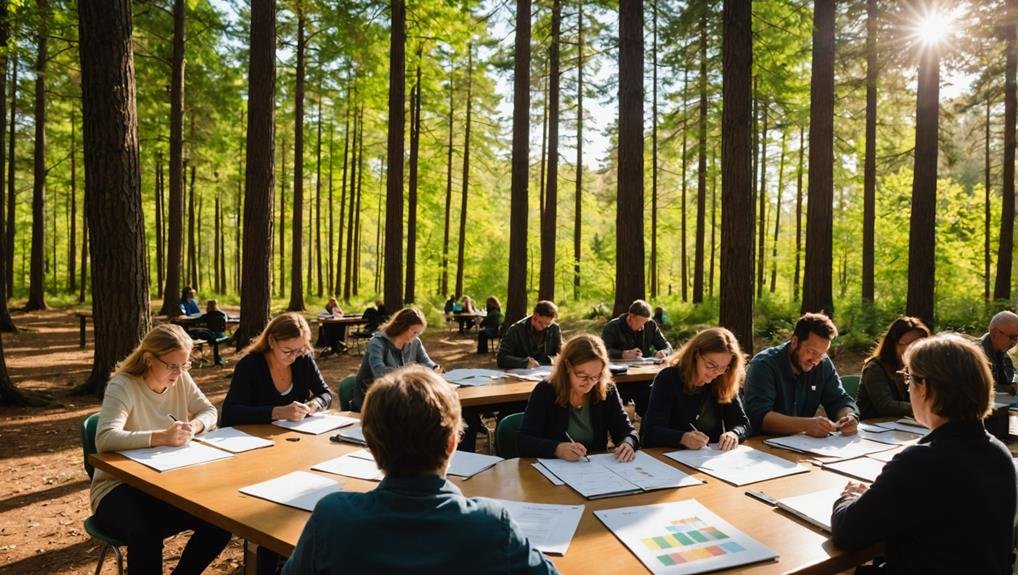
As you prepare for your spiritual gifts assessment, it is important to approach the process with a reflective mindset, allowing for self-discovery and personal growth. Engaging in personal reflection prior to the assessment can help clarify your motivations and expectations, fostering a deeper understanding of your spiritual journey. Additionally, participating in a group discussion can provide valuable insights, as sharing experiences with others may reveal aspects of your gifts that you have yet to recognize.
To facilitate your preparation, consider the following table, which highlights essential steps to take:
| Step | Purpose | Outcome |
|---|---|---|
| Personal Reflection | Understand your spiritual journey | Enhanced self-awareness |
| Group Discussion | Gain insights from peers | Broader perspective |
| Set Intentions | Define your goals for the assessment | Clear focus |
| Review Spiritual Gifts | Familiarize yourself with concepts | Better comprehension |
| Pray or Meditate | Seek divine guidance | Spiritual alignment |
Approaching your assessment with intent and a willingness to engage in both personal and communal exploration will ultimately enrich your experience and understanding of your spiritual gifts.
Next Steps After Assessment
Next Steps After Assessment: To fully benefit from your spiritual gifts assessment, it's essential to take proactive steps that promote personal growth and community engagement.
Three key actions should be taken after completing your spiritual gifts assessment to maximize the benefits of the experience. Engaging in these steps fosters personal growth and enhances community involvement, allowing individuals to translate their newfound insights into actionable steps.
Understanding your spiritual gifts can help you access your potential and connect more deeply with others, as these gifts play an essential role in personal development and community engagement.
- Reflect on Your Results: Take time to analyze your assessment outcomes, considering how your unique gifts align with your values and aspirations. This reflective practice can deepen your understanding of yourself and guide your personal growth journey.
- Seek Opportunities for Application: Actively seek out ways to utilize your spiritual gifts within your community. Whether through volunteer work, church activities, or social initiatives, applying your gifts not only enriches your life but also positively impacts those around you.
- Connect with Like-minded Individuals: Engage with others who share similar spiritual gifts or interests. Building a network can provide support, encouragement, and collaborative opportunities for community involvement, further enhancing your personal development.
Mystical Questions
Can Children Take a Spiritual Gifts Assessment?
Can children take a spiritual gifts assessment?
What indicators suggest a child is ready for such an assessment?
How can parents select an age-appropriate assessment format?
What benefits can children gain from discovering their unique spiritual gifts and talents?
Are there specific spiritual gifts assessments designed for different age groups?
How can parents support their children in the process of self-discovery through spiritual gifts assessments?
Are Spiritual Gifts Assessments Scientifically Validated?
Are spiritual gifts assessments scientifically validated?
What factors contribute to the perceived validity of spiritual gifts assessments?
How do personal experiences influence the interpretation of spiritual gifts?
In what ways can spiritual gifts assessments enhance self-awareness?
What role do these assessments play in fostering community engagement?
Are there any alternative methods for evaluating spiritual gifts that have stronger scientific backing?
How Often Should I Retake the Assessment?
How often should one retake the spiritual gifts assessment to ensure accurate reflection of their abilities?
What factors indicate a need to retake the assessment?
How can significant life changes impact one's spiritual gifts?
What benefits can arise from regularly reassessing one's spiritual gifts?
Are there specific signs that suggest a shift in spiritual maturity?
Can My Spiritual Gifts Change Over Time?
Can my spiritual gifts change over time?
What factors contribute to the evolution of spiritual gifts?
How does personal growth impact the expression of spiritual gifts?
Can life experiences influence the understanding of my spiritual gifts?
Are there specific practices that can help enhance or develop my spiritual gifts?
How do different spiritual traditions view the concept of changing spiritual gifts?
Is There a Cost Associated With the Assessment?
Is there a cost associated with spiritual assessments?
What factors contribute to the variation in costs for these assessments?
Are there free or low-cost options available for individuals seeking spiritual growth?
How can one determine the value of a paid spiritual assessment compared to free alternatives?
What are the potential benefits of investing in a more comprehensive spiritual assessment?


