
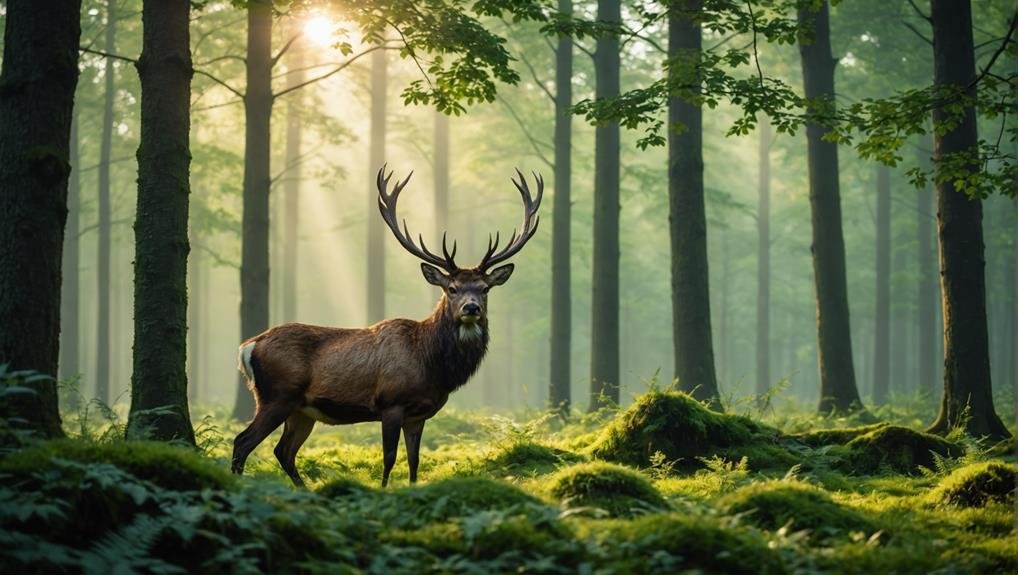
Deer symbolism plays a significant role in understanding spiritual growth, representing aspects such as compassion, intuition, and vulnerability. Across various cultures, deer are not only admired for their elegance but also for their remarkable ability to navigate through difficult terrains. This ability signifies a profound connection to nature that encourages individuals to recognize and embrace their own limitations.
Furthermore, the symbolism of the deer promotes the importance of fostering authentic relationships, which serves as a crucial foundation for emotional healing. By connecting with others on a deeper level, individuals can enhance their spiritual journey and personal growth.
In addition to compassion and relationships, deer embody intuitive qualities that enhance self-awareness. This heightened awareness guides individuals toward a better understanding of themselves and their purpose in life.
By recognizing these characteristics within ourselves, we can build resilience and effectively navigate the uncertainties of life. Ultimately, embracing the lessons of deer symbolism opens up profound opportunities for personal evolution and fulfillment.
Spiritual Insights
- Deer symbolism embodies grace and gentleness, encouraging spiritual growth through vulnerability and authentic connections with oneself and others.
- Intuition, represented by deer, serves as a guiding force for spiritual awakening and deeper self-awareness in navigating life's complexities.
- Embracing compassion and kindness, deer symbolism fosters emotional intelligence, nurturing supportive relationships essential for personal and community growth.
- Inner reflection, inspired by deer, promotes self-discovery and healing, paving the way for profound personal development and emotional resilience.
- Trust and faith, central to deer symbolism, encourage surrender to life's uncertainties, enhancing spiritual growth and deeper connections with the universe.
The Essence of Deer Symbolism
The essence of deer symbolism reflects the qualities of grace, gentleness, and a profound connection to nature, influencing human values and spiritual beliefs across various cultures.
Across different traditions, deer mythology has significantly shaped societal values and spiritual beliefs. For instance, in many Indigenous cultures of North America, the deer is revered as a symbol of intuition and gentleness, often regarded as a messenger between humans and the spirit domain. This connection to spiritual growth and intuition is a fundamental aspect of how deer influence personal development.
This cultural significance extends to various mythologies, where deer embody the qualities of compassion and vulnerability, prompting reflection on the interplay between strength and delicacy.
In European folklore, the stag, often a representation of the male deer, is associated with nobility and heroism, serving as a reminder of the importance of leadership infused with kindness. Such contrasting interpretations highlight the multifaceted nature of deer symbolism, wherein each cultural lens offers unique insights into human experiences.
The reverence for deer signifies an enduring recognition of the delicate balance within ecosystems, emphasizing humanity's responsibility towards nature. Ultimately, examining deer symbolism invites a deeper understanding of how these majestic creatures inspire spiritual growth, urging individuals to reflect on their own vulnerabilities and strengths within the broader tapestry of life.
Connection to Nature
Connection to Nature: The Symbolism of Deer
The symbolism of deer encapsulates a profound connection to nature, illustrating the intricate relationships within ecosystems. This connection manifests through the deer's instinctive behavior and their ability to adapt to seasonal changes, demonstrating the importance of ecological balance. Observing these creatures fosters a deeper understanding of wildlife harmony, encouraging individuals to cultivate environmental mindfulness.
This relationship underscores several key aspects of nature's rhythm:
- Sensory Awareness: Deer rely on acute senses to navigate their surroundings, highlighting the importance of being attuned to subtle shifts in the environment.
- Natural Beauty: The grace and elegance of deer exemplify the aesthetic richness of the natural world, prompting reflection on the significance of preserving such beauty.
- Ecological Balance: As herbivores, deer play a vital role in maintaining healthy ecosystems, illustrating the interdependence of species.
Embracing Vulnerability
Embracing Vulnerability: Embracing vulnerability is essential for personal growth and spiritual development, as it allows individuals to confront their limitations and foster authentic connections.
Much like the deer's instinctual response to threats, embracing vulnerability is a powerful aspect of personal growth and spiritual development. The deer's gentle strength exemplifies the notion that true courage often lies in acknowledging one's limitations. By fostering an open heart, individuals can cultivate emotional honesty, which serves as a foundation for fearless authenticity. This process requires not only soft resilience but also tender courage, as one navigates the complexities of human experience.
The following table highlights key elements of embracing vulnerability:
| Attributes | Description | Benefits |
|---|---|---|
| Gentle Strength | Inner power derived from acceptance | Enhanced self-awareness |
| Quiet Confidence | Self-assuredness without bravado | Improved interpersonal connections |
| Emotional Honesty | Truthfulness about feelings and experiences | Deeper relationships |
| Soft Resilience | Ability to recover from emotional setbacks | Greater adaptability |
The Power of Intuition
The Power of Intuition
Intuition is a vital element of spiritual growth, guiding individuals towards insights and pathways that may be hidden from rational thought. The symbolism of the deer often embodies this intuitive guidance, inviting individuals to trust their instincts and embrace their instinctual wisdom.
Historically, various cultures have revered intuition as a sacred tool for traversing life's complexities, suggesting a profound connection between nature and human perception. As explored in studies of altered consciousness, experiences with substances like DMT can enhance this intuitive capacity, encouraging individuals to tap into deeper layers of understanding and insight.
This alignment with intuitive understanding can lead to transformative insights, as individuals learn to:
- Recognize subtle signs and synchronicities in their environment.
- Differentiate between noise and genuine inner voices that herald important truths.
- Cultivate a deeper awareness of their emotional landscape, fostering self-acceptance and authenticity.
As we explore the power of intuition, it becomes evident that it serves not merely as a personal compass but also as a collective consciousness, reflecting shared experiences and ancestral knowledge.
Engaging with this instinctual wisdom can catalyze spiritual awakening, instilling a sense of purpose and coherence in the often chaotic journey of personal development. Embracing intuition enables individuals to transcend conventional thinking, ultimately enriching their spiritual lives and fostering deeper connections with themselves and others.
Compassion and Kindness
Compassion and Kindness in Spiritual Growth
Compassion and kindness are fundamental elements that nurture spiritual growth by connecting individuals to themselves and their communities.
Compassion and kindness play crucial roles in fostering spiritual growth, acting as bridges that connect individuals to both themselves and the broader community. These qualities are essential in developing emotional intelligence, enabling individuals to understand and respond to the feelings of others, thereby nurturing relationships that form the bedrock of healthy social interactions. Historically, societies that prioritize compassion have demonstrated increased cohesion, leading to more resilient communities.
The table below outlines the key aspects of compassion and kindness in relation to spiritual growth:
| Aspect | Description | Historical Example |
|---|---|---|
| Emotional Intelligence | Awareness of one's own emotions and those of others | Civil Rights Movement |
| Nurturing Relationships | Building supportive connections among individuals | Indigenous Cultures |
| Social Cohesion | Promoting unity and collaboration | Post-War Reconstruction |
| Personal Reflection | Understanding oneself through acts of kindness | Mahatma Gandhi's Philosophy |
| Community Impact | Enhancing societal well-being | Charitable Organizations |
Inner Reflection and Growth
Inner Reflection and Growth
Inner reflection is a vital process that underpins personal growth, enabling individuals to delve into their thoughts, feelings, and beliefs for deeper self-understanding. This journey is essential for emotional healing and self-discovery, as it encourages individuals to confront their inner landscapes and acknowledge their vulnerabilities.
Through introspection, one can unravel the complexities of their emotional experiences, leading to profound personal development. Embracing the gentleness of deer symbolism can further enhance this journey, guiding individuals towards a more intuitive understanding of their emotional landscape.
Key aspects of this reflective process include:
- Understanding Emotional Triggers: Identifying what evokes strong feelings can illuminate unresolved issues and pave the way for healing.
- Cultivating Self-Awareness: Greater awareness of one's thoughts and behaviors enables individuals to make informed choices that align with their true selves.
- Setting Intentions for Growth: Defining clear intentions fosters a roadmap for personal evolution, allowing for targeted self-improvement.
Historically, cultures have revered the deer as a symbol of gentleness and grace, embodying the essence of inner reflection. By recognizing the significance of this symbolism, individuals can harness its power for transformative emotional healing, ultimately leading to a more authentic and fulfilling existence.
Consequently, inner reflection becomes not just a personal endeavor but an essential societal necessity.
Navigating Life's Challenges
Resilience in Navigating Life's Challenges: Resilience is the ability to adapt and grow stronger in the face of life's difficulties, enabling individuals and communities to overcome obstacles and thrive.
Resilience is an essential trait that empowers individuals to maneuver the myriad challenges life presents. In the context of overcoming obstacles, this attribute manifests as a dynamic interplay between finding strength and embracing change.
Historical evidence reveals that societies often thrive through collective resilience, where shared experiences foster emotional healing and personal transformation. The journey of resilience building, consequently, not only becomes a personal endeavor but also a communal one, illustrating the importance of supportive networks in life lessons.
Mindful living enhances the process of self-discovery, allowing individuals to cultivate adaptive strategies that respond effectively to life's unpredictability. This approach encourages a reflective attitude, enabling one to confront adversity with a sense of purpose.
As we engage in resilience-building practices, we must acknowledge that each challenge presents an opportunity for growth, urging us to develop deeper insight into ourselves and our surroundings.
Moreover, the act of embracing change serves as a catalyst for personal evolution, pushing us to step outside our comfort zones.
Ultimately, maneuvering life's challenges through the lens of resilience not only fosters individual strength but also contributes to the broader tapestry of human experience, emphasizing the importance of adaptability in an ever-changing world.
The Role of Patience
The Role of Patience
Patience is a vital element in personal growth and resilience, allowing individuals to navigate life's challenges with a calm and thoughtful approach.
Patience serves as a fundamental component in the journey of personal growth and resilience. It mirrors deer behavior, which exemplifies a calm, deliberate approach to life, allowing for thoughtful navigation of challenges. This practice not only enhances emotional resilience but also aligns with the principles of embracing spiritual growth, fostering a deeper connection to one's inner self.
In cultivating patience, individuals engage in practices that enhance emotional resilience and foster spiritual stillness, essential for long-term growth.
To incorporate patience into daily life, consider the following techniques:
- Mindfulness techniques: Engage in activities that promote awareness of the present moment, allowing for a deeper connection with one's thoughts and feelings.
- Nature meditations: Spend time in natural settings, observing the subtle rhythms of life, which can instill a sense of tranquility and encourage a patient mindset.
- Time management: Prioritize tasks effectively, allocating periods for reflection and growth rather than rushing through responsibilities.
Through these practices, the art of patience can be refined, creating space for personal growth. As individuals develop patience, they learn to embrace life's complexities, understanding that true progress often requires time, reflection, and a commitment to remaining grounded amidst the chaos.
Ultimately, patience cultivates a resilient spirit, equipping individuals to face life's inevitable challenges with grace.
Spiritual Awakening and Awareness
Spiritual Awakening and Awareness: A Journey Towards Self-Discovery and Connection
Spiritual awakening and awareness represent a transformative journey that individuals undertake to uncover deeper meaning and connection in their lives. Amidst the complexities of modern life, this journey often begins with the cultivation of mindful awareness, allowing individuals to engage with their thoughts and feelings with clarity, thereby fostering transformative experiences that facilitate emotional healing.
Historically, various spiritual traditions have emphasized the importance of heightened sensitivity to inner and outer landscapes, suggesting that true self-discovery necessitates an alignment with one's authentic self. Embracing spirituality can greatly enhance this alignment, guiding individuals toward a more profound understanding of themselves and the world around them.
As individuals initiate this self-discovery journey, they often seek spiritual guidance, which can manifest through mentors, sacred texts, or nature itself, as symbolized by the deer. Conscious living becomes a natural extension of this awakening, inviting individuals to embrace practices that promote inner peace, such as meditation and contemplation.
The interplay between spiritual awakening and heightened sensitivity emphasizes the necessity of emotional intelligence in traversing life's complexities. Consequently, the quest for spiritual growth and awareness not only enriches personal existence but also contributes to a collective consciousness that seeks harmony and understanding in an increasingly fragmented world.
Therefore, the symbolism of the deer serves as a reminder of the gentle, yet profound, nature of this transformative journey.
Lessons in Trust and Faith
Lessons in Trust and Faith: Understanding the Spiritual Significance of Deer Symbolism
Trust and faith serve as essential cornerstones in a meaningful spiritual journey, guiding individuals through life's uncertainties with grace and assurance. Within the realm of deer symbolism, these qualities are especially highlighted, as the gentle nature of the deer embodies the profound teachings of surrendering to the unseen forces of the universe.
The energy of the deer acts as a reminder that embracing vulnerability can lead to significant spiritual growth and deeper connections with one's inner self. Moreover, deer symbolism emphasizes the importance of being attuned to the natural rhythms of life and the nurturing aspects of spiritual development, offering essential insights for personal transformation.
This gentle spirit encourages us to cultivate peace and introspection, paving the way for spiritual awakening and self-discovery.
Key lessons derived from deer symbolism include:
- Embracing Uncertainty: Trusting the unknown allows for transformative experiences and personal evolution.
- Listening to Intuition: Faith in one's instincts can illuminate paths previously obscured by doubt and fear.
- Seeking Spiritual Guidance: Embracing the wisdom of the deer encourages individuals to pursue higher knowledge and understanding.
Historically, many cultures have revered the deer as a spiritual guide, symbolizing a connection to nature and the divine. This reverence underscores the importance of trusting in both oneself and the broader universe.
Mystical Questions
How Can Deer Symbolism Apply to Daily Life Decisions?
How does deer symbolism influence daily life decisions?
- In what ways can trusting our intuition, as represented by deer, lead to better decision-making?
- How can we cultivate resilience in our lives by embracing the gentle strength associated with deer?
- What role do personal values play in aligning our choices with the insights gained from deer symbolism?
- Can observing deer in nature provide lessons or insights that apply to our daily challenges and choices?
- How might incorporating deer symbolism into our daily routines enhance our overall well-being?
Are There Specific Rituals Involving Deer Symbolism for Spiritual Growth?
What specific rituals involve deer symbolism for spiritual growth?
How do these rituals enhance personal development?
In what ways do deer serve as symbols in various spiritual traditions?
What meditative practices are commonly associated with deer rituals?
How can participants deepen their connection with nature through these rituals?
What Cultures Have Significant Beliefs About Deer Symbolism?
What cultures have significant beliefs about deer symbolism?
How do Native American traditions interpret the symbolism of deer?
What role does deer symbolism play in Celtic mythology?
How are deer viewed in East Asian beliefs?
What significance do deer hold in various African traditions?
How were deer represented in ancient Egyptian practices?
In what ways does modern spirituality incorporate deer as symbols?
What common themes can be found in the different cultural representations of deer?
How Do Dreams About Deer Relate to Personal Growth?
What do dreams about deer symbolize in the context of personal growth?
How can these dreams influence self-awareness and emotional development?
What specific aspects of personal transformation are often highlighted in dreams featuring deer?
In what ways might individuals interpret their deer dreams to facilitate introspection?
Are there common themes or messages associated with deer in dreams that relate to personal journeys?
Can Deer Symbolism Help With Overcoming Fear and Anxiety?
How can deer symbolism assist individuals in overcoming fear and anxiety?
What specific aspects of deer meditation contribute to fostering a deep connection with nature?
In what ways does mindfulness practice enhance inner peace and courage when confronting fears?
How can individuals effectively navigate their fears through the principles of deer symbolism?
Are there particular techniques within deer meditation that are especially beneficial for managing anxiety?


