
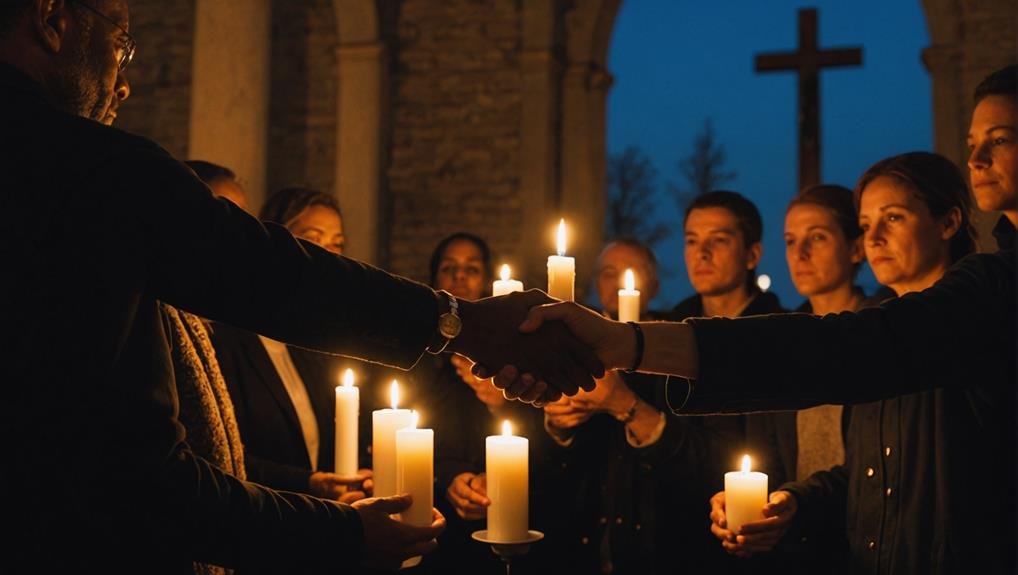
The topic of mass shootings encompasses tragic incidents of gun violence that result in significant loss of life and widespread community trauma. In the wake of these events, public figures often share their insights, reflecting on the deeper implications of such violence and the societal factors that contribute to it.
Donald Trump, in particular, has offered a series of spiritual insights and commentary on mass shootings, intertwining personal sorrow with political discourse. Following incidents like the Nashville shooting, Trump has consistently called for prayers for the victims, emphasizing the need for collective mourning and spiritual support.
He identifies mental health as a pivotal aspect in the fight against gun violence, advocating for a comprehensive approach that addresses underlying issues. His stance on school safety illustrates a critical view of current gun laws, proposing measures such as arming teachers to bolster security within educational environments.
Through his reflections, Trump highlights the importance of examining the cultural context and societal attitudes towards violence. His comments aim to foster a dialogue around unity and healing, suggesting that the responsibility for addressing these tragedies lies with the community as a whole.
These complexities warrant further exploration, as they reveal the multifaceted nature of mass shootings and the varied responses they elicit from society.
Spiritual Insights
- Trump expressed heartfelt sympathy and prayers for victims' families in response to mass shootings, emphasizing the need for national unity in grief.
- He often highlights the importance of community and spiritual healing as essential components in addressing the aftermath of gun violence.
- Trump advocates for enhancing school safety measures, framing them as a spiritual responsibility to protect children and foster a secure environment.
- His statements frequently point to the necessity of addressing mental health issues as a critical aspect of preventing future tragedies.
- Trump has called for cultural dialogue around violence, linking societal values with the need for spiritual renewal and collective responsibility.
Understanding Mass Shootings
Understanding Mass Shootings: A Multifaceted Examination
Understanding mass shootings requires a comprehensive analysis of the various factors that contribute to this tragic phenomenon. The ongoing conversation about mass shootings highlights the need to consider mental health and cultural conditions as pivotal elements influencing gun violence.
Former President Donald Trump's perspective emphasizes that mass shootings are not simply a firearms issue; rather, they are a complex interplay of social and spiritual dimensions. His assertion regarding the increased discussion surrounding school shootings since around 2000 indicates a shift in societal conditions that may intensify violent behaviors.
To effectively address mass shootings, it is crucial to explore how we can empower our spirits through protective techniques, as spiritual well-being significantly impacts mental health outcomes.
Trump's focus on mental health as a vital factor in understanding mass shootings encourages a broader dialogue about societal responsibilities in promoting psychological wellness. This dialogue is essential for addressing the root causes of gun violence, as it suggests that the conversation about mass shootings should extend beyond legislative measures.
Instead, a cultural conversation on violence is necessary, calling for collective engagement to tackle the underlying issues associated with mass shootings. While Trump critiques current gun laws as ineffective, his proposals to arm teachers and enhance school security highlight the contentious debate surrounding safety measures.
This debate reveals the complex relationship between perceived threats and preventive strategies in the context of mass shootings. Ultimately, a thorough understanding of mass shootings demands a multifaceted approach that integrates mental health considerations with a critical examination of societal dynamics.
Heartfelt Response to Nashville
Heartfelt Responses to Nashville Tragedy
In the wake of the Nashville elementary school shooting, heartfelt responses emerged across the nation, reflecting the deep grief shared by many. Amidst this sorrow, former President Trump conveyed his heartfelt sentiments, expressing heartbreak and offering prayers for the families affected by this tragedy. His heartfelt response resonated with numerous Americans, illustrating the emotional connection to such a devastating event.
In his heartfelt remarks, Trump commended law enforcement for their swift actions during the incident, highlighting their critical role in managing the chaos and ensuring the safety of others. This acknowledgment of law enforcement's efforts added a layer of appreciation to his heartfelt response, emphasizing the importance of their presence in moments of crisis.
Furthermore, Trump's heartfelt address extended beyond immediate emotions to tackle broader societal concerns. He criticized Democrats for hindering school safety legislation, which he believed could prevent such tragedies in the future. This part of his heartfelt response called for proactive measures to enhance school safety, advocating for a comprehensive approach that goes beyond mere gun control discussions.
Spiritual Approach to Gun Laws
A spiritual approach to gun laws emphasizes the necessity of addressing the underlying societal and cultural issues that lead to violence, advocating for a comprehensive understanding of gun violence through spiritual and emotional well-being.
This spiritual approach to gun laws highlights the significance of recognizing mental health's role in violence prevention, as it fosters a deeper connection to the community and encourages healing. By promoting community programs focused on spiritual healing, we can cultivate environments that reflect the values of compassion and understanding, essential to this spiritual approach to gun laws.
Additionally, fostering dialogue around societal values and cultural narratives is crucial in this spiritual approach to gun laws, as it encourages shared understanding and collective responsibility.
Enhancing educational environments with emotional support systems further aligns with the principles of this spiritual approach to gun laws, creating safe spaces for growth and emotional development.
Ultimately, reevaluating gun laws in light of spiritual and emotional well-being is necessary for creating sustainable solutions that prioritize community safety and harmony, reinforcing the essence of this spiritual approach to gun laws.
Cultural Context of Violence
Cultural Context of Violence: Understanding the Interplay Between Societal Norms and Gun Violence
The cultural context of violence is crucial for understanding the multifaceted nature of gun violence in America. Gun violence has surged since the year 2000, highlighting a significant shift in societal norms and values regarding this issue. As Donald Trump points out, the roots of gun violence extend beyond mere access to firearms; they are deeply intertwined with broader societal issues such as mental health and cultural attitudes toward violence.
This highlights the importance of examining the cultural context of violence and its historical connection to gun ownership, which is often idealized as a symbol of personal freedom and security in American culture.
In this exploration of the cultural context of violence, we must consider the implications of societal values on behaviors that impact community safety and mental well-being. The normalization of violence in media, paired with the desensitization resulting from constant exposure to violent acts, may lead to a collective indifference towards the sanctity of life.
Additionally, just as bone health is essential for physical well-being, a strong societal framework is vital for effectively addressing the underlying causes of violence. Therefore, prioritizing cultural conversations about safety, spirituality, and community engagement is essential in the pursuit of sustainable solutions to gun violence, illustrating the need to deeply understand the cultural context of violence in shaping these discussions.
Political Reactions and Criticism
Political Reactions and Criticism: Political reactions to gun violence are marked by polarization, with former President Trump advocating for school safety over stringent gun control measures.
Political reactions to gun violence have become increasingly polarized, reflecting deep divisions within American society. Amidst this contentious backdrop, former President Trump has emerged as a prominent figure, articulating a stance that prioritizes school safety over stringent gun control measures. This focus on school safety has garnered both support and criticism, illustrating the complex interplay of politics and public safety.
Trump criticized Democrats for obstructing effective school safety legislation, highlighting his commitment to this approach. He promised to repeal existing gun laws if re-elected, labeling them ineffective in addressing the issue at hand.
Trump's proposal to arm teachers and station security guards has sparked significant debate, drawing attention to the role of school safety in the broader conversation. He also called for bipartisan cooperation, dismissing opposition measures as inadequate to enhance school safety. His perspective emphasizes societal issues over gun access as the root of gun violence, which frames the debate around school safety in a different light.
This juxtaposition of Trump's views against the prevailing narratives surrounding gun violence underscores a critical tension in American politics. Critics argue that his focus on arming educators distracts from addressing systemic issues, while supporters contend that his approach could enhance safety.
Ultimately, the discourse surrounding Trump's perspective on gun violence and school safety raises questions about the efficacy of proposed solutions and necessitates a deeper examination of societal factors contributing to these tragic events.
Reflections on Personal Safety
Reflections on Personal Safety
Reflections on personal safety highlight the importance of understanding the cultural and psychological factors that contribute to violence in society. In recent discussions surrounding personal safety, former President Trump has emphasized the need for an extensive cultural dialogue that addresses the root causes of violence, particularly mental health issues.
He posits that the societal narratives shaping perceptions of personal safety must evolve to include a more profound understanding of the psychological factors contributing to violent behavior. Rather than singularly focusing on gun access, Trump's reflections advocate for a holistic approach that combines spiritual healing with legislative reforms aimed at enhancing community protection and overall personal safety.
Furthermore, Trump has critiqued existing gun laws, suggesting they often impede effective safety measures in educational institutions, thus impacting personal safety for students. His advocacy for arming teachers and increasing security reflects a belief that proactive strategies are essential in safeguarding students against potential threats and ensuring their personal safety.
Following tragedies such as the Nashville shooting, Trump has expressed his condolences while framing his commentary within a context of support for affected families and the need for a more responsive legislative framework that prioritizes personal safety.
His insistence on revisiting laws that he perceives as favoring criminals underscores a commitment to enhancing personal safety. Through these discussions, Donald Trump illustrates the complexities and urgent necessities of addressing the multifaceted challenges surrounding violence in society and their implications for personal safety.
Promoting Unity and Healing
Promoting unity and healing in the aftermath of mass shootings is crucial for rebuilding communities and addressing the root causes of violence.
While the aftermath of mass shootings often leaves communities fractured and grieving, promoting unity and healing has become an essential focus in the dialogue surrounding violence. Recognizing the multifaceted nature of these tragedies, former President Trump has emphasized the importance of promoting unity and healing by addressing mental health and societal factors, asserting that healing cannot occur without a thorough understanding of the underlying issues.
- Acknowledging heartbreak and offering prayers for victims as part of promoting unity and healing
- Advocating for collaborative school safety legislation to further promote unity and healing
- Highlighting the need for cultural conversations on violence as a means of promoting unity and healing
- Proposing protective measures, such as arming teachers, to enhance the efforts in promoting unity and healing
- Stressing the significance of spiritual and societal healing in the broader context of promoting unity and healing
In the wake of events like the Nashville elementary school shooting, Trump's call for unity resonates deeply within affected communities. His criticisms of political obstruction reveal a desire for bipartisan efforts to enhance security and promote unity and healing.
Mystical Questions
How Has Trump's Faith Influenced His Views on Violence?
Trump's faith perspectives have dramatically shaped his understanding of violence, positing that spiritual beliefs can transcend earthly conflicts. He often intertwines religious rhetoric with discussions on violence, suggesting a profound, albeit controversial, connection between faith and societal issues.
What Specific Scriptures Does Trump Reference During Crises?
Trump's scripture references during crises often draw from passages that emphasize comfort and resilience, such as Psalm 23 and Philippians 4:6-7. These texts provide a crisis scripture context intended to inspire hope and unity among his audience.
How Do Trump's Spiritual Insights Resonate With His Supporters?
Trump's spiritual insights resonate with supporters by reinforcing their beliefs and values. A rhetoric analysis reveals how his references to faith create a spiritual connection, ultimately impacting their perspectives on societal issues and crises.
Has Trump Collaborated With Faith Leaders After Shootings?
In recent years, 70% of Americans have sought community support following tragedies. Trump has engaged with faith leaders, issuing public statements and promoting community outreach efforts that emphasize healing messages in response to mass shootings.
What Role Does Prayer Play in Trump's Response to Tragedies?
In response to tragedies, prayer serves as an essential tool for fostering spiritual resilience and community solidarity. It plays a significant role in shaping public discourse, emphasizing the impact of collective faith during challenging times.


